
Do Cats Dream? Exploring Cat Sleep Cycles
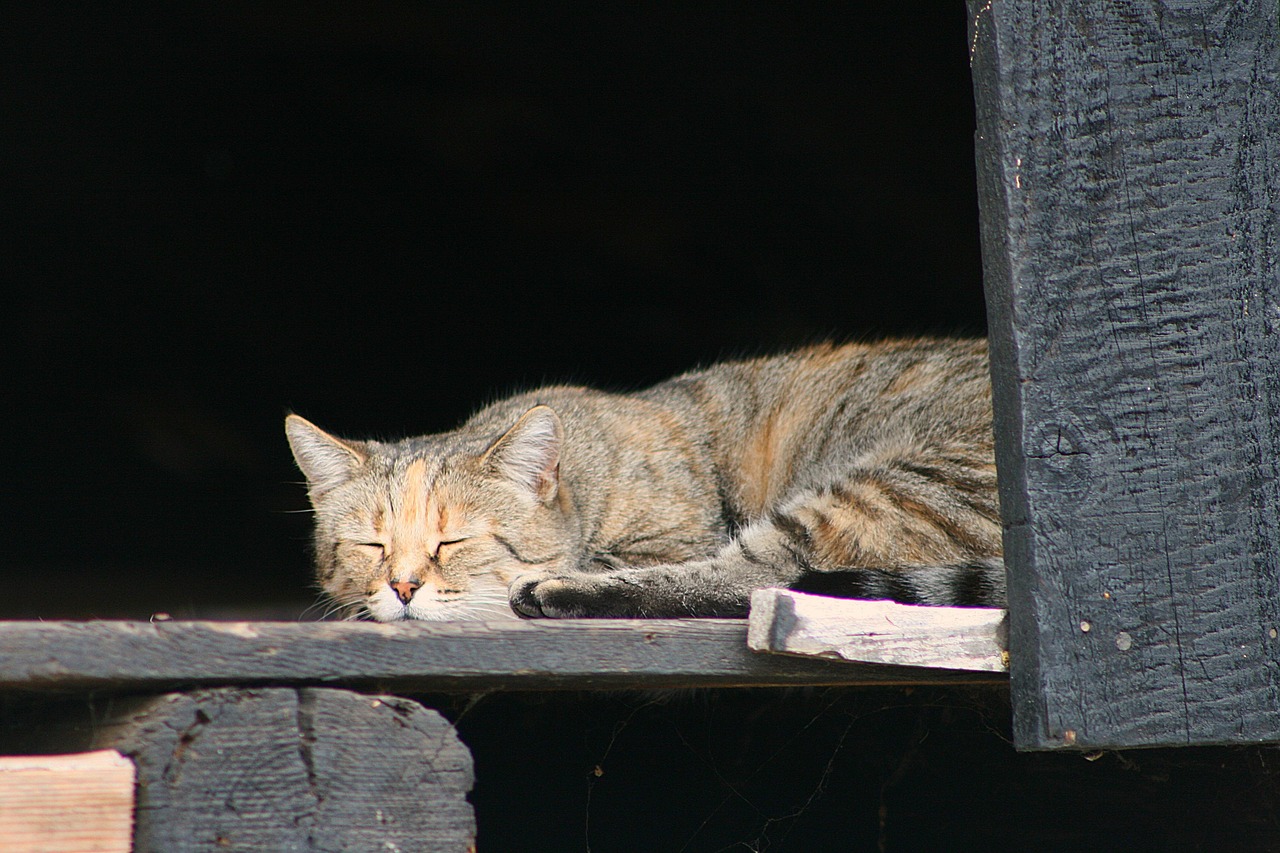
Cats are fascinating creatures, known for their unique sleeping habits. On average, a cat sleeps between 12 to 16 hours a day, making them one of the sleepiest animals around. Interestingly, cats have two distinct types of sleep: REM and non-REM sleep. REM sleep, or Rapid Eye Movement sleep, is essential because this is the period when dreaming occurs. During this phase, cats may twitch their whiskers, paws, or even vocalize, indicating a vivid dream state. In contrast, non-REM sleep constitutes a lighter phase where cats can be easily awakened. This duality allows cats to conserve energy for hunting and play, critical for their survival instincts. Understanding these patterns can help owners create a more comfortable environment for their feline friends. Providing cozy spaces, warm blankets, and safe nooks can support their sleep needs. With proper care, kittens and older cats alike can enjoy restorative rest, aiding their overall well-being. Pay attention to your cat’s sleeping environment and habits to promote their health and happiness while they are enjoying their daily slumber.
Cats possess remarkable adaptability when it comes to their sleeping locations and preferences. Most cats prefer warm, secluded areas for sleep, often choosing spots incorporating sunlight and comfort. These preferences can vary among individual cats; some may favor high places such as shelves or wardrobes, while others might prefer enclosed spaces such as boxes or cat beds. It’s helpful to observe where your cat tends to sleep and ensure these spots are comfortable. You can help improve your cat’s quality of sleep by providing a variety of platforms and cozy bedding options throughout your home. Exposure to sunlight can also enhance a cat’s mood and well-being, facilitating deeper, more restful sleep. Cats might also have favorite sleeping spots that they associate with security and safety. Here’s why you should consider your cat’s preferences: it nurtures trust and a sense of belonging in your home. A happy cat is likely to be a healthy cat, so accommodating their sleeping patterns can significantly impact their behavior and overall health, making it worthwhile to adapt your living space as needed.
The Importance of Cat Naps
Cat naps play a critical role in a cat’s overall health and well-being. These short bursts of sleep serve to recharge a cat’s energy. Cats are instinctively wired to be hunting animals; as such, they have developed napping habits that allow them to stay alert and prepared. By taking frequent naps throughout the day, they can effectively conserve energy for when it’s time to explore or hunt. Interestingly, the timing of these naps can vary: some cats are more active at dawn and dusk, resting throughout the day to prepare for these peak activity hours. Daily habits are paramount in creating stability and predictability for your feline friend. Regular naps can keep their mood balanced, reducing stress and anxious behaviors associated with being overtired. Moreover, ensuring access to quiet, comfortable spots helps promote longer, more uninterrupted sleep, enabling your cat to enter deeper sleep stages. Providing such an environment allows your cat to feel safe, thereby improving their satisfaction and increasing the likelihood of playful and healthy interactions during their waking hours.
Another uniquely cat-related aspect is their ability to enter a deep sleep state that allows for restorative rest. During deep sleep, the body works on repairing muscles, flushing out toxins, and restoring energy levels. This state is crucial, especially for active cats, ensuring they remain energetic and curious. Interestingly, deep sleep can last anywhere from several minutes to half an hour, and they may traverse between different sleep stages several times in a single nap. Moreover, the environment affects their sleep cycles significantly; a quiet space free from disturbance increases the chances of prolonged sleep and deep sleep cycles. If you notice your feline companion waking repeatedly during the night, this may indicate discomfort or insecurity regarding their sleeping area. It is advisable to assess their bed or resting locations, providing secure and tranquil environments. Addressing these needs can foster longer sleep durations, enhancing their health. Additionally, keeping their area clean and free of stressors can greatly influence their willingness to indulge in uninterrupted sleep, supporting their well-being and happiness over time.
Do Cats Really Dream?
Many cat owners often wonder, “Do cats dream?” The answer seems affirmative, as studies have shown that cats experience dreams during their REM sleep stages. Researchers suggest that all mammals experience some form of dreaming, linked closely to their daily experiences. Just as we often dream about daily occurrences or concerns, cats likely dream about their experiences, including interaction with humans, playtime with toys, or their natural instincts. This phenomenon provides insight into how cats process their world. The brain activity during REM sleep mirrors that of awake states, indicating a high level of cerebral activity. This acknowledgment highlights the emotional and psychological aspects of a cat’s life. By observing their movements, twitching paws, or vocalizations during sleep, one can imagine what adventures they might be having! While we may not confirm exactly what goes on in your cat’s dreams, we can rest assured that those dream states enrich their lives, just as ours do. Encouraging good sleep habits for your cat can help support this aspect of their psyche, contributing positively to their health.
A cat’s sleep is not merely about rest; it also generates vital interactions and reinforces their bond with society. Owners can promote better sleep by providing an environment that makes cats feel secure and relaxed. By recognizing their signs of sleepiness, such as purring, kneading, or a slow, luxurious stretch, owners can cherish quieter moments, ultimately enhancing their bond with their furry friend. Moreover, understanding your cat’s sleep habits can mitigate issues like anxiety or behavioral problems linked to inadequate rest. A well-rested cat is generally more social, playful, and less irritable. Considering the key role sleep occupies, owners should strive to create specific routines surrounding feeding and play to establish a consistent day-night cycle. This consistent rhythm can enable them to transition seamlessly between wakefulness and sleep. In turn, these practices can enrich not only the quality of your cat’s sleep but also its overall happiness and life experience. Fostering navigation of these patterns will undeniably contribute to a thriving and content feline companion.
Conclusion: Cats and Their Sleep
In conclusion, understanding cat behavior concerning sleep offers insights into their well-being and happiness. Recognizing patterns and preferences allows owners to craft an environment harnessed for energy conservation and restorative sleep. Cats’ sleeping habits significantly shape their health and interactions with the environment, which further deepens their social connections. From deep peaceful naps to dream-filled REM sleep, these moments are essential for a cat’s development and overall happiness. By nurturing their natural behaviors, ensuring comfortable resting areas, and observing their cues, owners can foster enriching experiences that benefit both cats and humans alike. As beloved family members, cats deserve our understanding and consideration, reinforcing the importance of their unique sleeping patterns. Through such actions, owners contribute to better health and satisfaction in their feline friends. It is crucial to remember that every cat is unique; thus, their sleeping habits can differ based on individual preferences. Embracing these differences expands our understanding of cats in our lives. By observing, adapting, and adjusting our approaches, we can ensure our pets thrive in their behaviors and lifestyles, leading to harmonious companionship.
Cats are fascinating creatures, known for their unique sleeping habits. On average, a cat sleeps between 12 to 16 hours a day, making them one of the sleepiest animals around. Interestingly, cats have two distinct types of sleep: REM and non-REM sleep. REM sleep, or Rapid Eye Movement sleep, is essential because this is the period when dreaming occurs. During this phase, cats may twitch their whiskers, paws, or even vocalize, indicating a vivid dream state. In contrast, non-REM sleep constitutes a lighter phase where cats can be easily awakened. This duality allows cats to conserve energy for hunting and play, critical for their survival instincts. Understanding these patterns can help owners create a more comfortable environment for their feline friends. Providing cozy spaces, warm blankets, and safe nooks can support their sleep needs. With proper care, kittens and older cats alike can enjoy restorative rest, aiding their overall well-being. Pay attention to your cat’s sleeping environment and habits to promote their health and happiness while they are enjoying their daily slumber.