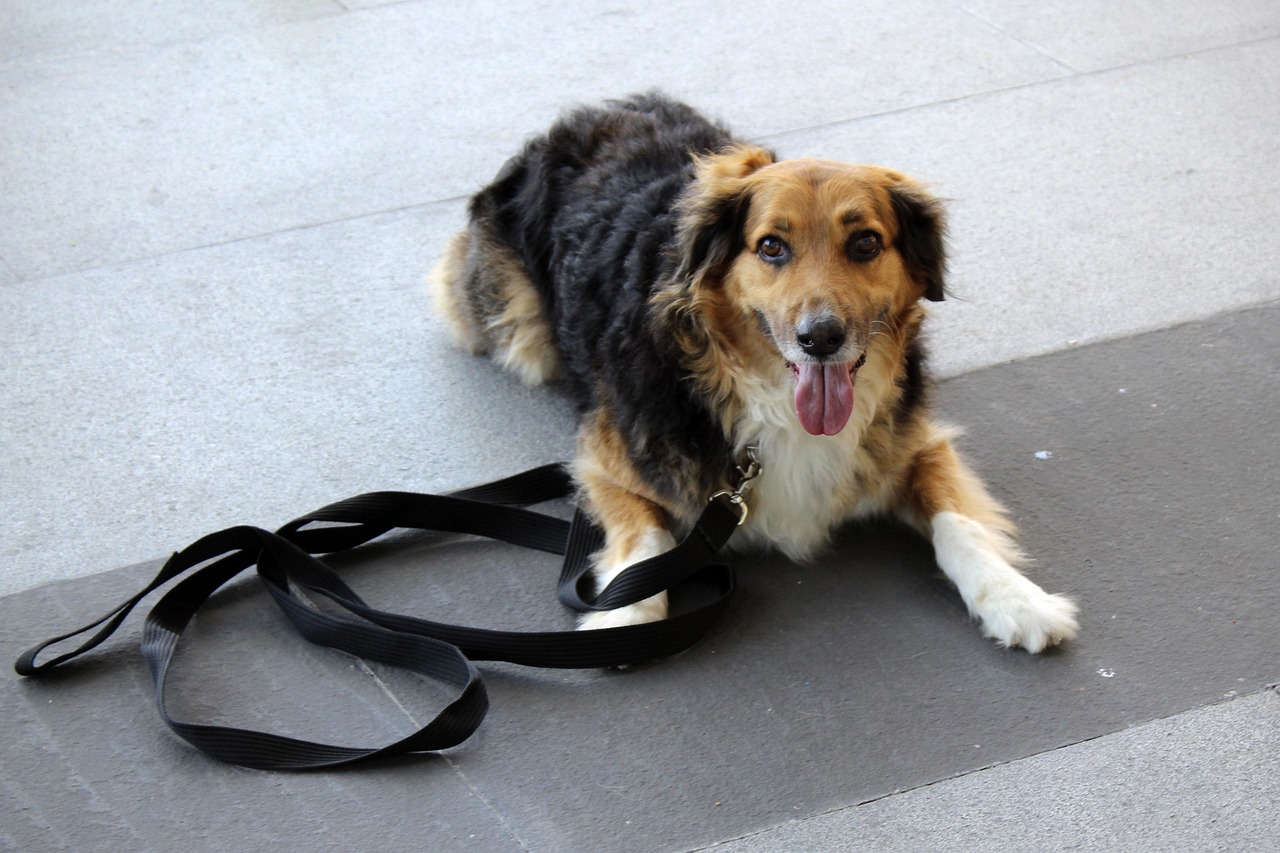

Using Clicker Training to Enhance Obedience Skills
Clicker training is a highly effective method of training dogs that uses a small mechanical device to mark desired behaviors. The sound of the clicker signifies to your dog that they have performed the correct action and will receive a reward. This technique is based on positive reinforcement and helps develop a clear communication channel between the dog and its owner. To effectively use clicker training, start by familiarizing your dog with the clicker sound, pairing the click with treats to establish a connection. Once your dog associates the sound with rewards, you can begin training basic commands such as sit, stay, and come. It’s essential to click at the exact moment your dog performs the desired action to reinforce good behavior. Timing is crucial in clicker training, and it encourages your dog to repeat the action to hear the click again. Regular practice helps solidify these commands in your dog’s mind. Make sure you are consistent in your training sessions, and always keep them engaging to maintain your dog’s interest and enthusiasm for learning. A well-trained dog is a happy companion, and clicker training is a fantastic step towards achieving that.
Training aids like clickers can enhance the obedience skills of dogs, providing an efficient way to shape behavior through positive reinforcement. One of the significant advantages of clicker training is the clarity it offers. Dogs can understand exactly what behavior earns them the click and, consequently, a treat. This method helps eliminate confusion during training sessions, enabling your dog to learn faster and more effectively. Moreover, clicker training is versatile. It can be tailored to suit dogs of all ages and skill levels, from puppies learning basic commands to older dogs refining their skills. Additionally, you can introduce new concepts gradually, ensuring that your dog fully grasps one command before moving on to the next. It’s important to maintain patience during the training process, as every dog learns at their own pace. Celebrate small victories to keep your dog motivated. By making training enjoyable, you can foster a stronger bond with your dog. Integrated into daily routines, clicker training also provides mental stimulation, which is vital for your dog’s overall well-being. A mentally engaged dog is less likely to develop behavioral problems, making clicker training essential for a harmonious household.
Incorporating clicker training into your routine can significantly enhance your dog’s obedience skills. It’s vital to set realistic goals for each training session, allowing your dog to succeed while also being challenged. Start with simple commands and gradually introduce more complex behaviors as your dog masters them. Consistency is key in this process, and regular short training sessions are more effective than infrequent long ones. Remember to keep the sessions fun and light-hearted. Dogs thrive in positive environments, and using the clicker can add excitement to learning new skills. You can introduce various activities into your training sessions to keep them fresh and engaging. Activities such as trick training or agility exercises can be incorporated using the clicker. It’s essential to avoid overwhelming your dog with too much information. Break down commands into manageable steps, rewarding each little accomplishment along the way. Also, consider varying the rewards, occasionally using toys or playtime instead of treats. This variety can help keep your dog enthusiastic about training. Through consistent practice and positive reinforcement, clicker training can be a game changer in achieving desired behaviors and reinforcing obedience.
Common Mistakes in Clicker Training
Despite its effectiveness, many dog owners make common mistakes when using the clicker training method. One frequent error is clicking too late or too early. Proper timing is vital; if you click after the action is performed, the dog may not understand what they did right. Similarly, clicking before the behavior occurs can confuse your dog, leading them to repeat the action unnecessarily. Another mistake is overusing rewards. While it’s essential to reward your dog, relying solely on treats can make the dog expect food every time they perform a behavior. Diversifying rewards, such as using praise or play, can mitigate this issue. Patience also plays a crucial role; expect dogs to take time to learn, and don’t rush the process. Instructors often go too fast, moving onto complex commands before mastery is achieved. Avoid this by thoroughly teaching one command before introducing another. Observing your dog’s response can guide you in pacing your training. Finally, be careful not to allow distractions during training sessions, focusing on remaining in a quiet environment to improve learning.
Clarity is paramount when implementing clicker training. Ensure your dog understands what behaviors you’re rewarding, as ambiguity can lead to confusion. Work on establishing distinct markers for specific commands, helping your dog link the clicker sound to particular actions. Incorporate verbal cues alongside the clicker, as this reinforces learning. For example, when your dog sits and you click, you can also say “sit.” This integration helps your dog better associate the verbal command with expected behavior. Alternatively, maintain a consistent environment. Dogs often do better in familiar settings where they feel comfortable. Start training at home in a quiet space, gradually introducing your dog to more dynamic environments once they master basic commands. By ensuring that your dog has a strong grasp on skills in simple settings, you’ll prepare them for distractions outside. Incorporating practice in various environments can further enhance their adaptability, making future outings more successful. It strengthens the bond between dog and owner, as shared training experiences foster trust and communication. With the right approach, clicker training can lead to impressive results in your dog’s obedience skills.
The benefits of using clicker training extend beyond just improving obedience skills. It also opens up avenues for further behavioral training. Once a dog masters basic commands, you can encourage more advanced skills using the clicker method. Training complex behaviors, such as fetching specific items or performing tricks, becomes possible through the same principles of reinforcement and timing. Engaging your dog in continuous learning keeps their mind sharp and prevents boredom. A dog that enjoys learning will be less likely to engage in negative behaviors stemming from boredom or lack of stimulation. Additionally, the bonding experience can significantly improve your relationship with your pet. As your dog successfully learns commands and tricks, their self-confidence increases. This self-assurance manifests positively, fostering trust between you and your dog. Participating in fun training sessions can enhance the overall enjoyment for both you and your furry friend. Ensuring a positive learning environment helps dogs thrive. Overall, clicker training paves the way for an obedient, well-behaved, and happy dog. The deeper your knowledge and practice with clicker training, the stronger the bond you will build while helping your dog excel and enjoy your journey together.
Conclusion and Further Resources
In conclusion, clicker training stands out as a highly effective method for enhancing obedience skills in dogs. When paired with positive reinforcement techniques, it fosters clear communication and understanding between owner and pet. While engaging in the training journey, always remember to have realistic expectations, maintain consistency, and keep it enjoyable for both yourself and your dog. The rewards of investing time and effort into training are immense; from enjoying a well-behaved dog to strengthening your bond, the benefits are far-reaching. For those looking to explore further, various reputable resources can provide additional insights into clicker training. Books, online courses, and workshops led by certified trainers can enhance your knowledge and skills. Consider visiting websites dedicated to dog training principles, which offer both beginner and advanced tips. Joining online forums or local training groups provides community support and learning opportunities. Sharing experiences and challenges with fellow dog owners is invaluable. As you embark on this exciting training journey, remember to cherish every milestone and celebrate the successes—big and small. Your commitment will lead to a harmonious relationship with your furry companion, reflecting the benefits of clicker training in your daily life.
To further enrich your understanding of dog training, consider seeking out additional materials on related topics such as behavioral psychology, leash training, and socialization practices. Many of these subjects can complement your clicker training efforts, making you a well-rounded trainer. Exploring diverse training methods will not only enhance your expertise but also enable you to tailor your approach to best suit your dog’s unique personality. Each dog is different, and what works for one may not work for another. As a responsible pet owner, it’s essential to pay attention to your dog’s individual needs and adapt your training methods accordingly. This attention to detail will create a positive and responsive training environment. Attend workshops or training seminars with experienced professionals to gain hands-on experience and practical advice. Networking with others in the dog training community opens doors for learning and support. Engaging with trainers and fellow dog owners can spark new ideas and enrich your training toolkit. Always remain open to learning and adapting; the world of dog training continues to evolve, and your commitment to growth will shape your dog’s training journey.