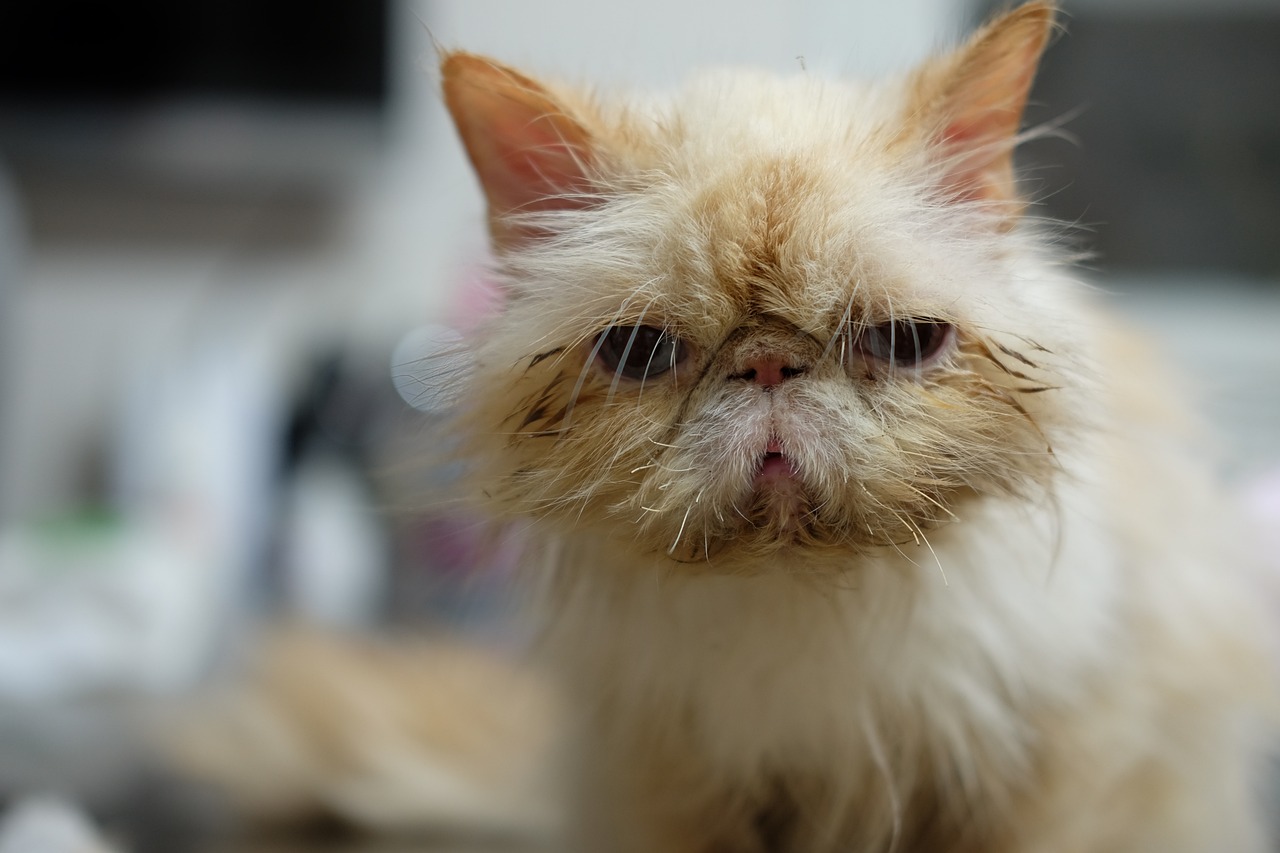

Common Safety Precautions for Cats During Veterinary Visits
When taking your feline friend for veterinary visits, safety should be a top priority. First, ensure that your cat is securely placed in a comfortable, sturdy carrier. This reduces stress and keeps your pet safe during transport. Make sure that the carrier is well-ventilated, spacious enough for your cat, and lined with a familiar blanket or toy. This can provide a sense of security. If your cat shows anxiety or fear about visiting the vet, consider using calming sprays or medications recommended by your veterinarian. Additionally, be mindful of how you handle your cat. It’s best to gently place them in the carrier rather than forcing them inside. When you arrive at the clinic, keep the carrier closed until you’re ready for the examination. Inform the staff about any behavioral issues your cat may have, so they can assist appropriately. Finally, always keep the carrier closed while waiting in the lobby to prevent any escape opportunities. These precautions contribute to a smooth and safe visit for your furry friend, ensuring their well-being and reducing their anxiety.
Preparing your cat ahead of time can significantly improve their experience during vet visits. One way to prepare your cat is to familiarize them with the carrier well in advance. Allow your cat to explore and spend time in it before the visit. You can entice them to enter the carrier by placing treats or their favorite toys inside. This helps create a positive association with the carrier. It’s also essential to maintain a calm demeanor during the process. Cats are highly sensitive to their owners’ emotions, so remaining relaxed can help ease their stress. On the day of the appointment, try to stick to your cat’s regular feeding schedule as much as possible, unless instructed otherwise by the veterinarian. If your appointment requires fasting, follow the vet’s guidance. Additionally, have a current photo of your cat ready in case of emergency. This photo can assist the clinic staff if your cat goes missing. Ultimately, being proactive about preparing your cat will ensure a more comfortable and less stressful veterinary experience for your furry companion.
Behavioral Considerations and Calming Techniques
Many cats experience anxiety during veterinary visits, making behavioral considerations crucial for a smooth appointment. To assist with this, consider various calming techniques. One effective method is to use pheromone diffusers or sprays designed specifically for cats, which can help create a soothing atmosphere. Spraying the carrier and cloths with a calming pheromone can reduce anxiety levels significantly. Additionally, you should practice handling your cat gently but firmly, especially around veterinary staff. Familiarizing your cat with being gently restrained can make the exam more manageable for both your cat and the vet. Also, consider soft, familiar items, such as blankets or toys, to comfort your cat while at the clinic. When it comes time for the examination, take deep breaths and speak softly to your cat to keep them calm. It’s essential that you maintain a reassuring presence to help your pet feel safe. Remember, if your cat becomes overly frightened or aggressive, it’s okay to advise the vet staff, and try to take a little more time getting your feline friend accustomed to the situation.
During veterinary visits, remember that health checks can include multiple procedures, which might seem overwhelming. One of the most important aspects to ensure safety is to follow your vet’s instructions explicitly. If they recommend bringing medication or food to the visit, be sure to do so. Keeping your cat on a favorite diet or routine could also help decrease anxiety levels. Make sure to communicate any specific health concerns your pet may have, including history with past visits or reactions to vaccines. Additionally, it’s wise to arrive early at the clinic, allowing sufficient time for potential delays. This additional buffer can minimize stress for both you and your cat. At the clinic, closely observe how your cat reacts to the new environment and be alert for any signs of distress, such as excessive meowing or hiding. If your cat shows signs of fear, address it immediately with positive reinforcement. After the visit, reward your cat for their bravery with treats or extra playtime at home. Building a positive connection between these experiences can help reduce their anxiety for future trips to the veterinarian.
Handling Emergencies During the Visit
While preparing for veterinary visits, it’s vital to consider potential emergencies that may arise during the appointment. Make sure to keep emergency contact information readily available and know the procedures for dealing with any incidents. Familiarize yourself with the clinic’s policies on emergency situations. Knowing their protocols will help you respond appropriately if anything unexpected happens. If your cat exhibits aggressive behavior or becomes highly agitated during the visit, let the staff know immediately. They are trained to handle panic-stricken pets and can assist in resolving the situation safely. Be aware of your surroundings as well. In case of an emergency, you may need to exit the space quickly, so locate the exits beforehand. Ensure that your cat’s identification, such as a microchip, is current and easily accessible to help with prompt identification if they manage to escape. Additionally, consider preparing a small first aid kit for your cat that you can bring along to the clinic. This kit can include basic medical information and supplies like gauze and antiseptic wipes. Preparing for emergencies can lead to a safer, less stressful experience overall.
Post-visit care is essential after your cat has been to the veterinary clinic. Monitoring your cat’s condition after procedures or vaccinations is crucial for their recovery. Observe for any adverse reactions, such as lethargy, changes in appetite, or unusual behavior. If you notice anything concerning, consult your veterinarian immediately. Providing a calm and comfortable environment at home helps your cat recover quickly. Set up a quiet space where they can relax and feel secure away from loud noises or disturbances. Ensure they have easy access to food, water, and their litter box during this time. If medications were prescribed, administer them precisely as directed. Additionally, gentle playtime or cuddling can be beneficial to reinforce positive experiences associated with the visit. After a successful veterinary outing, reward your cat with a special treat, which helps strengthen their confidence. Regular follow-ups and health check-ups are equally important, so schedule any future appointments as needed. Remember, the goal is to foster a long-lasting positive relationship between your cat and their veterinarian, which can greatly contribute to their health and well-being.
Final Thoughts on Cat Safety During Vet Visits
Prioritizing cat safety during veterinary visits is critical for building a positive experience for both the owner and the pet. Each precaution taken can significantly ease the stress typically associated with these appointments. Preparing in advance not only helps diminish anxiety but also ensures that health checks are completed efficiently. From ensuring a secure and comfortable carrier to familiarizing your cat with calming techniques, every step you take plays a significant role. Remember to stay calm during the visit, as this will help your feline companion feel more relaxed. Keeping open communication with the veterinary staff is also vital for addressing any concerns about your cat’s behavior or health. Moreover, post-visit care is just as important as preparation and the visit itself. By monitoring your cat’s condition and ensuring they have a quiet space to recover, you can help promote a smoother recovery. Encourage regular check-ups to maintain your cat’s health, and reinforce positive experiences through rewards. Owning a cat demands patience and understanding, and providing them with safe, supportive experiences at the vet is essential for their overall well-being.
Overall, taking the right steps while ensuring the safety of your cat during veterinary visits is paramount. Cats may exhibit unique behavioral tendencies that require special attention and understanding. Therefore, establishing a trustful and proactive relationship with your veterinarian is beneficial. Utilizing these safety measures will not only create a positive visit experience but can eventually make vet visits a routine part of your cat’s healthcare. As a loving cat owner, your understanding and empathy toward your cat’s feelings and experiences will greatly influence their reactions. Make a concerted effort to create a familiar and non-threatening environment before, during, and after each visit to ensure optimal safety for your pet. Remember, your actions and approach can significantly shape how your pet perceives their experiences at the vet. With increased awareness and preparation, you can effectively guide your cat through this essential aspect of their health without unnecessary stress or fear. Always prioritize your cat’s safety and comfort, and involve them as an active participant in their healthcare journey. Ultimately, a well-informed and prepared approach makes all the difference.