
Managing Shedding: Grooming Tips for Persian Cats
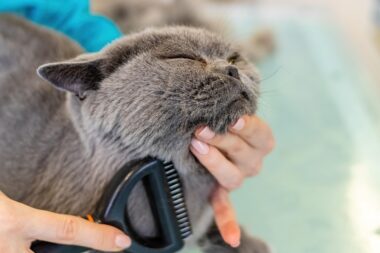
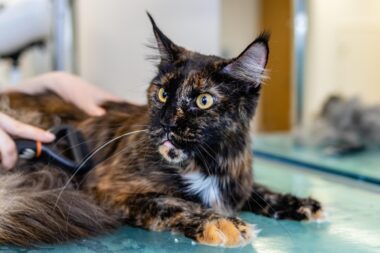
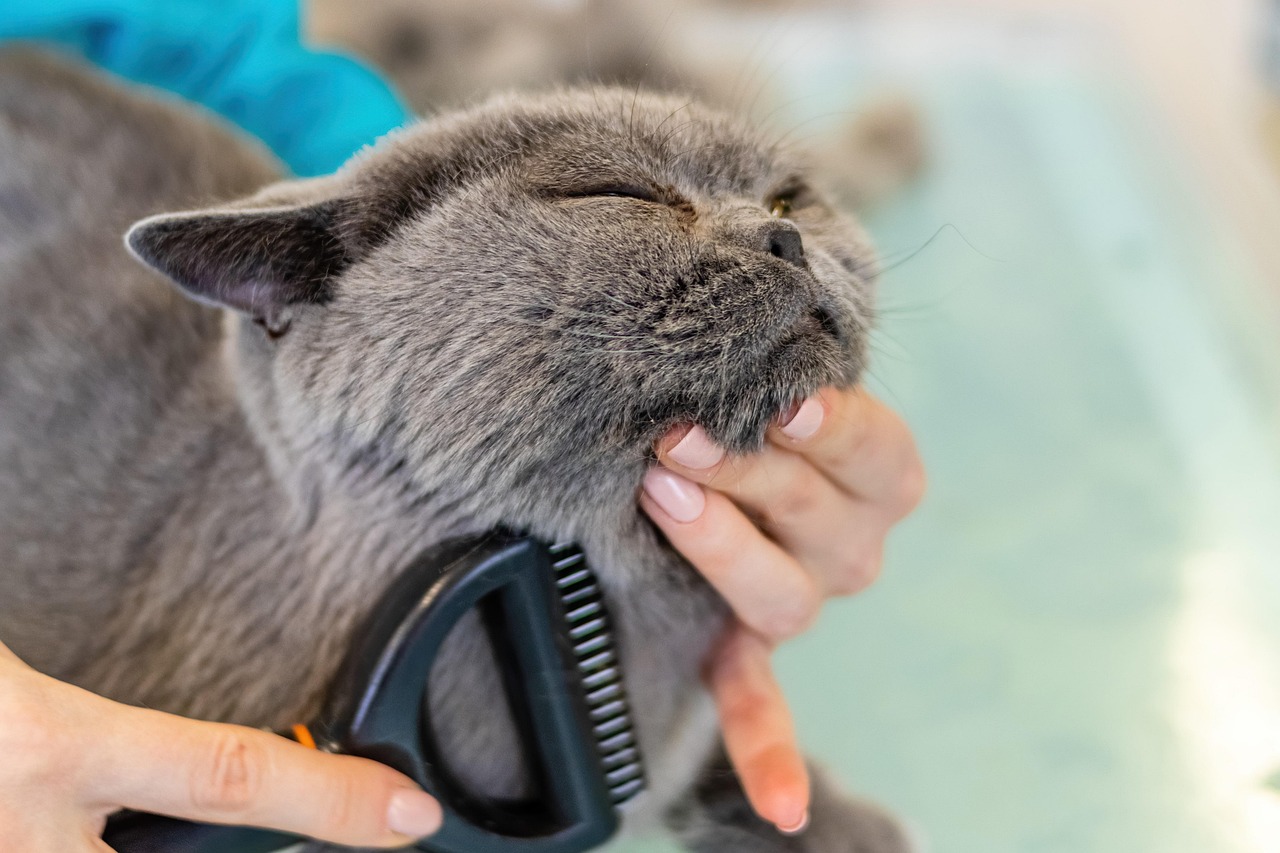
Persian cats are known for their long, luxurious fur, which can be a delight to pet. However, their beautiful coats come with a challenge: shedding. Regular grooming is vital to manage shedding and maintain the cat’s coat quality. Brushing your Persian cat daily can significantly reduce the amount of loose fur in your home. A slicker brush or a wide-toothed comb can effectively detangle the fur and remove dead hair. This process not only helps with shedding but also promotes healthy skin. Additionally, it’s essential to create a gentle routine that your cat enjoys. Patience and positive reinforcement will ensure your cat associates grooming with a pleasant experience. Try offering treats during and after the grooming sessions to condition them positively. Always inspect your cat’s coat for mats, which can develop quickly in Persian cats. Use scissors or a mat splitter for stubborn mats, but be cautious not to injure your cat. Remember to brush both the topcoat and the undercoat to ensure thorough grooming. Proper grooming can also help mitigate hairballs, a common issue in long-haired breeds like the Persian.
Essential Grooming Tools
Having the right tools is crucial for effective grooming of your Persian cat. Start with a good quality slicker brush; this tool helps in removing loose hairs while detangling any knots. A wide-toothed comb is also essential to ensure you can reach the undercoat without causing discomfort. Regular nail clippers designed for cats are necessary for keeping your pet’s claws short and manageable. A soft-bristled brush can help with daily grooming and is gentle on your cat’s skin. Finally, a cat-specific shampoo is vital for those rare bath days. Persian cats should ideally have baths every few months to keep their coat clean and shiny. With these tools in hand, you will help prevent excessive shedding while keeping your cat comfortable. Don’t forget about ear cleaning pads and dental care items, as these areas also require attention during grooming sessions. Proper grooming isn’t just about fur; it’s a comprehensive approach to your Persian cat’s overall health and appearance. Taking the time to invest in these tools and establishing a routine will lead to a happier, healthier cat and a home with less fur.
Bathing your Persian cat might be a necessity, but it’s essential to do it right to avoid stress. Cats often dislike water, so make the experience as comfortable as possible. Always use warm water as cold can be shocking for your furry friend. Ensure you have a non-slip mat in the bathtub to prevent slipping. It is advisable to use a shampoo specifically formulated for cats to avoid skin irritation. Gently wet your cat’s coat, starting from their head and moving toward their tail. Apply a small amount of shampoo and work it into the fur, paying special attention to areas that may get dirty more quickly. After rinsing thoroughly with warm water, use a conditioner designed for cats for added softness. Rinse again until no shampoo or conditioner remains, as residues can cause skin issues. After the bath, gently towel dry your cat, being careful to handle them with care. Utilize a hairdryer only if your cat tolerates it, keeping it on a low setting. After all, a clean cat is a happy cat, reducing shedding and promoting a beautiful coat.
Dietary Considerations for a Healthy Coat
The diet you choose for your Persian cat can greatly influence the health and quality of their coat. High-quality cat food that contains balanced proteins and essential fatty acids is essential to promote a healthy coat and reduce shedding. Omega-3 and Omega-6 fatty acids play a crucial role in maintaining skin health and fur quality. Look for cat foods that include fish oils or flaxseed oil in their ingredient lists. Furthermore, hydration is an often-overlooked factor in maintaining a Persian cat’s coat. Always provide fresh water to encourage hydration and support a healthy coat. Additionally, consider incorporating wet food into their diet, as it provides more moisture than dry food alone. It’s also beneficial to consult with a veterinarian regarding supplements that can boost hair health if your cat seems prone to excessive shedding. Regularly changing your cat’s diet can help identify any food sensitivities affecting their coat. A well-fed cat is a happy cat, and investing in their nutrition will yield noticeable results in their shedding and coat condition.
Managing hairballs is another concern with Persian cats due to their abundance of fur and unique grooming styles. Regular brushing, as mentioned before, can significantly reduce the amount of fur that they ingest while grooming themselves. However, if your Persian cat does experience occasional hairballs, some dietary changes and additional care steps can help. Look for cat food specifically formulated to reduce hairballs and promote digestive health. These types of food usually contain additional fiber, making it easier for cats to pass hairballs. It’s also advisable to provide a safe space for your cat to vomit hairballs, preferably on surfaces that are easy to clean. Additionally, encouraging play can help stimulate your cat’s digestive system. Use interactive toys to keep your cat active, which can assist in reducing stress, ultimately aiding digestive health. When it comes to grooming, creating a routine instills comfort and reduces anxiety around the grooming process. This comfortable atmosphere will help mitigate hairballs in the long term. Learning all about your cat’s behaviors and needs will create a harmonious environment that benefits both you and your feline friend.
Examining the Coat for Health Issues
During grooming sessions, it’s essential to inspect your Persian cat’s coat for any signs of health problems. Pay attention to any changes in fur texture, bald patches, or excessive itching, as these could indicate underlying issues like allergies or skin infections. Regularly evaluating their skin and coat can help catch problems early, allowing for timely intervention. Fleas and ticks often hide within thick fur, so grooming can help identify and eliminate these pests before they cause discomfort. Furthermore, consider consulting your veterinarian for recommendations on flea prevention products suitable for cats. Regular grooming can strengthen your bond with your pet and provide opportunities for quality time together. If you notice any skin irritations or odd behaviors during grooming, it’s essential to seek professional advice quickly. Always be gentle while handling your Persian cat, as their skin may be sensitive. A comprehensive approach that includes regular grooming and health checks will ensure your Persian cat remains healthy and happy. This proactive method is key to maintaining their fabulous coat and overall wellbeing.
In conclusion, managing shedding in Persian cats requires a comprehensive and proactive approach. Regular grooming with the right tools helps to control shedding and promotes a healthy coat. Feeding a balanced diet rich in essential fatty acids contributes significantly to their fur’s quality and reduces the likelihood of excessive shedding. Additionally, staying vigilant about your cat’s coat condition can prevent health issues before they escalate. Love and patience play a crucial role in the grooming process. Investing time to make grooming sessions enjoyable for your Persian cat creates a positive relationship that helps keep your pet happier. Moreover, occasional baths and proper nutrition together contribute to reducing hairballs, making home life easier for both owners and cats. Ultimately, a long-haired beauty like a Persian cat deserves quality care and attention to thrive. Continuously educating yourself on techniques will only enhance your ability to provide the best for your feline friend. Enjoy the process and cherish each moment spent grooming; your enduring bond will show in the special connection you develop over time.