
How Vet Visits Help Rescued Dogs Heal Physically and Emotionally
Veterinary visits play a critical role in the rehabilitation and recovery of rescued dogs, offering not only medical attention but also emotional support. These visits help identify underlying health issues that many rescue dogs may have due to previous neglect or abuse. Notably, a veterinarian will perform comprehensive assessments, addressing dental, skin, and nutritional needs, which can greatly affect a dog’s well-being. Furthermore, vaccination and parasite prevention are emphasized, which prevent diseases and enhance the overall quality of life. Vet visits also provide much-needed socialization opportunities for rescued dogs, helping them acclimate to new environments while building trust with humans. Additionally, regular interactions can assist in monitoring behavioral changes, validating a balanced healing process. In essence, improving health through timely veterinary care fosters resilience and trust, enabling these dogs to thrive. Pet parents are encouraged to maintain consistent vet check-ups to ensure their furry friends remain healthy and can adapt better to their new lives. Establishing a good rapport with veterinary staff can also make visits less stressful for both the dogs and their new families, promoting a positive experience.
One significant benefit of vet visits for rescued dogs involves pain management. After being rescued, many dogs may suffer from chronic pain due to past injuries or untreated conditions. Veterinarians can administer pain relief medication and recommend treatment plans to enhance their quality of life. This is essential for dogs that have been traumatized, as alleviating physical discomfort plays a crucial role in their emotional recovery. Moreover, veterinarians may suggest physical therapy, which can strengthen muscles and improve mobility, making everyday activities easier and more enjoyable for these pups. It’s also vital to normalize the vet experience and minimize anxiety by gradually introducing rescue dogs to the clinic environment. By providing treats, engaging play, or gentle handling, the overall experience becomes more pleasant. When rescue dogs discover that not all human interactions are negative, it contributes positively to their emotional state. Support from veterinary professionals can help bolster a confident transition into their new homes. Overall, acknowledging the unique needs of rescued dogs during vet visits forms a cornerstone of their long-term rehabilitation and happiness, ensuring they are set up for future success.
Emotional Healing Through Veterinary Care
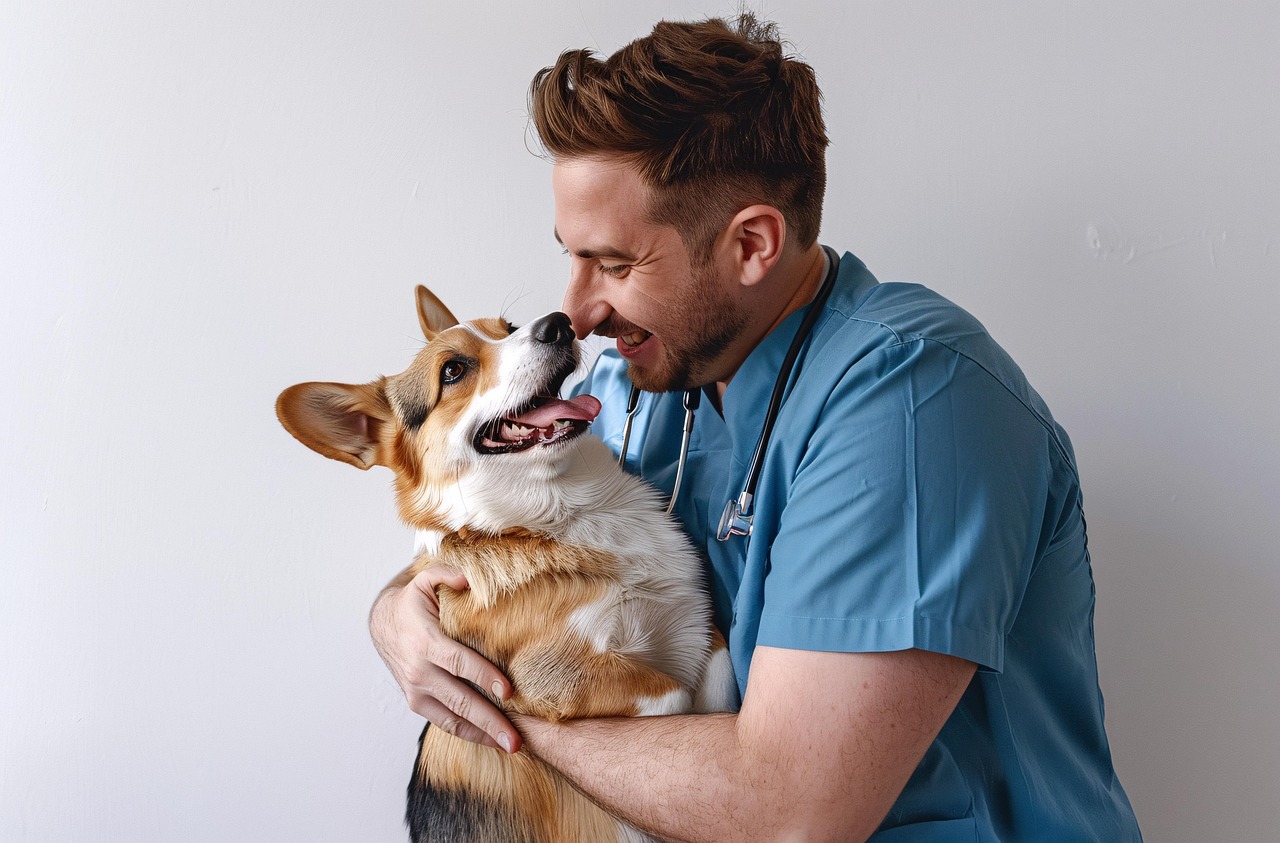
Vet visits not only provide essential medical care for rescued dogs but also foster emotional healing. For many rescued dogs, the past can be filled with trauma that greatly affects their ability to trust humans. Through gentle handling and a caring approach from veterinary staff, these dogs begin to associate vet visits with positive experiences. This nurturing environment allows them to build crucial trust. Key components of emotionally supporting rescue dogs during vet visits include various strategies such as using soothing tones, calming pheromones, or even conducting exams in a quiet, low-stress setting. Such an atmosphere encourages them to feel secure, reducing anxiety related to medical procedures. Furthermore, behavioral assessments and training suggestions can result from vet visits, offering tailored advice for individual dogs. Addressing behavioral problems early can prevent further issues down the road. Regular interaction with loving professionals may also build resilience, paving the way for deeper bonds with their adoptive families. Fostering a sense of safety within the veterinary space ultimately nurtures a healthier mindset, enabling these dogs to flourish both emotionally and physically in their new lives.
Physical assessments during vet visits highlight the physical needs of rescued dogs, revealing any hidden health conditions. Rescued dogs often come without medical history, making thorough examinations crucial. Their new families must understand any issues that need addressing, such as malnutrition, untreated wounds, or infections. By evaluating their individual situations, veterinarians can tailor specific treatment plans, putting them on a path to recovery. Aside from medical assessments, nutritional counseling is critical to restoring their health. Knowledgeable veterinarians can recommend high-quality diets designed for recovery and optimal growth. Proper nutrition also supports the dog’s immune system, helps in repairing tissue, and boosts overall energy levels. Moreover, monitoring a dog’s weight can prevent future health problems, which is especially vital in breeds prone to obesity. Adopting a proactive approach ensures that these dogs reestablish a balanced lifestyle. By recognizing physical health as a priority, rescuers foster a holistic healing process that encompasses both physical and emotional wellness. Consequently, nurturing each rescued dog’s health ensures their transitions into stable, loving homes remains successful and rewarding for everyone involved.
Promoting Socialization Through Vet Visits
Vet visits are also crucial for promoting socialization among rescued dogs. Many of these dogs come from isolation or abusive backgrounds, leaving them fearful of social interactions. Regular visits can expose these dogs to new environments and people, slowly building their confidence. By interacting with veterinary staff and other animals, they learn to navigate social cues and develop positive behaviors. Additionally, staff members trained in behavior modification techniques can offer invaluable advice on managing anxiety and fear-based responses. Implementing simple training exercises during vet visits not only makes the experience less daunting but promotes compliance in necessary medical examinations. The goal is to create an enjoyable experience so they learn that vet visits can mean fun and not just pain. Counseling in social skills can also be integrated so that families feel equipped to manage specific behaviors at home. Vet visits then serve as a safe haven for rescued dogs, offering essential opportunities for social growth. Overall, the integration of socialization practices during veterinary visits lays the groundwork for fostering a fulfilling and happy life for rescued dogs.
Another dimension of vet visits is the support they provide for adopters of rescued dogs. Many first-time adopters may be overwhelmed by the unique challenges these dogs present. Veterinary staff members can serve as invaluable resources by providing educational materials and attending to questions regarding health and behavior. Families often learn about the importance of routine care, including vaccinations and preventative treatments, in promoting a long, healthy life. Additionally, educational sessions can help adoptive families create tailored nutrition and exercise plans specific to their dog’s needs, which is particularly beneficial for those coming from neglectful situations. Knowledgeable vet staff can guide training programs suiting each dog’s temperament. Proactive communication between vets and families ensures a positive transition into the home. This collaborative effort among adopters and veterinary staff ultimately benefits the rescue dogs by ensuring they receive the comprehensive care necessary for thriving emotionally and physically. It fosters a commitment to responsible pet ownership as well. With consistent support, families gain confidence in managing their rescue dogs while building long-lasting bonds based on trust and understanding.
Vet Follow-Up: Essential for Ongoing Care
The importance of follow-up visits cannot be understated when discussing rescued dogs. After initial veterinary care and suggestions, families must maintain consistent check-ups and care routines that align with their dog’s recovery journey. These follow-ups allow veterinarians to monitor progress related to medical treatments, behavioral training, and nutritional adjustments. Determining the efficacy of prescribed medications ensures continued improvement in the physical health of the animal. Regular clinics help vet professionals notice subtle changes that might otherwise be overlooked. Additionally, follow-up appointments provide ongoing opportunities for families to address concerns, promoting open communication. For families adopting younger dogs, this can also ensure developmental milestones are being achieved correctly. Aftercare is crucial in identifying any potential setbacks early on. By continuing a trusted relationship with the veterinary team, adopters equip themselves with the tools to aid the dog’s ongoing recovery and well-being. Successful rehabilitation can only continue with collaboration between veterinary professionals and adoptive families. Overall, prioritizing vet follow-ups enhances the rescue experience and ensures that dogs have the best chance at leading fulfilling lives in loving homes.
You must have a strong commitment to ensure that vet visits don’t become a stressful proposition for rescued dogs. Understanding the relationship between physical health and emotional recovery in conjunction with proper care from veterinarians crucially impacts their journey towards healing. When exposed to compassionate veterinary care, rescued dogs can transcend their past trauma. Unwavering support enables these remarkable animals not only to heal from previous neglect or abuse but also to flourish in their newfound lives. Community partnerships involving shelters, rescues, and veterinary clinics can offer even more resources, encouraging a supportive atmosphere for advocacy. With the aim of nurturing rescued dogs, developing education programs for adopters must be a priority to ensure successful transitions. A trustworthy vet becomes an ally in this mission, enabling adjusted expectations and helping them navigate being a pet parent. Rescued dogs deserve a chance for a better life enriched with love, support, and understanding. By prioritizing their physical and emotional needs, we can foster their recovery journeys. Through dedicated community efforts and cooperation among caregivers, the path towards healing becomes brighter, enabling these dogs to lead fulfilling lives.