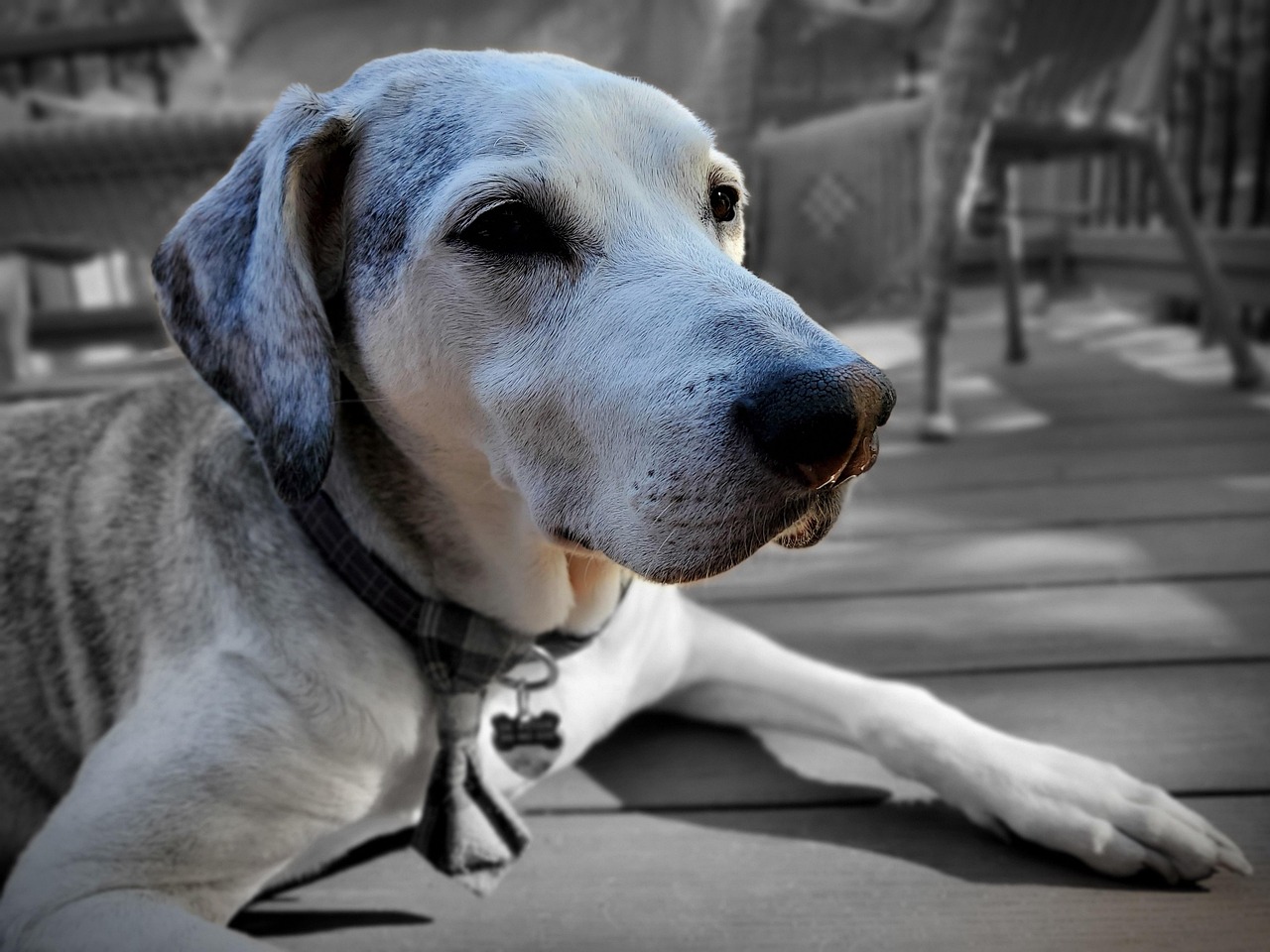

How to Help a Senior Dog Adjust to a New Home
Adopting a senior dog can be a rewarding experience, both for the dog and for you. However, it is important to understand that senior dogs may require some extra care during their transition to a new home. When you bring a senior dog into your family, it’s essential to provide a nurturing environment that can ease their adjustment period. Familiarizing yourself with their specific needs, behaviors, and possible health issues is crucial. Researching these aspects allows you to be better prepared for any challenges you may face. Remember, patience is vital as they may take time to adjust fully. Give your dog space and allow them to explore their new surroundings at their own pace. Most importantly, creating a loving routine can greatly contribute to their comfort and well-being in the new environment. Regular schedules for feeding, walking, and playtime will help your senior dog feel secure. Additionally, consider using comforting items, such as their favorite blanket or toys, to help ease their anxiety during this adjustment phase.
As you help a senior dog acclimatize, it is crucial to establish a safe and quiet space in your home. This area could be a cozy corner with a comfortable bed, where the dog can retreat when feeling overwhelmed. Designate this space as their own, including familiar items that carry scents from their previous home. Ensuring the environment is free from hazards is important, as senior dogs may have mobility issues or vision problems. It’s wise to review your home for potential dangers, such as stairs without railings or sharp corners, that may pose a risk. Monitor your dog closely in the initial days, and provide assistance if they struggle with mobility. You might need to consider ramps or non-slip mats to prevent falls. Additionally, ensure that their water and food dishes are easily accessible, as bending over may be uncomfortable for them. Being attentive to their physical limitations can significantly impact their comfort during this transition period. Strong leash control will also be critical, especially during walks, to prevent any accidents when they encounter unexpected distractions.
Routine and Engagement
Creating daily routines can help your senior dog feel more settled in their new home. Consistency with meals, walks, and bedtime will foster a sense of security. Regular exercise is essential, even for older dogs, but it should be tailored to their physical capabilities. Start with short walks and gradually increase the duration as they adapt, always observing their stamina and interest levels. Engaging playtime can also contribute positively; however, be mindful not to overexert them. Low-impact games such as gentle tug-of-war or fetch can keep them active without straining their abilities. Socialization is another aspect that shouldn’t be overlooked, so introducing them to new friends—both human and canine—can boost their morale. Keep interactions positive and gradual, helping your dog to learn that other animals and people can be friendly and loving. Rewarding good behavior with treats or praises reinforces positive associations with new experiences, which can gradually enhance their confidence. Furthermore, attending training classes tailored for older dogs can also improve their social skills and help you bond by learning together.
Senior dogs may initially seem reserved or timid in their new environment. Rest assured, this is completely normal, and it takes time for them to adjust. Allowing them to dictate the pace at which they integrate into the family is important. Be patient and give them the space to explore their territory and settle down. Additionally, consider giving them some time away from too much family interaction to avoid overwhelming them. Simple, calm companionship can be just as comforting. Some dogs thrive with minimal distractions during their adjustment phase, so creating a peaceful environment will be beneficial. You can also build a bond by spending time sitting near them or engaging in calm interactions without forcing them. With time and space, they will likely discover their new surroundings and become more comfortable with you and the family. Regular cuddles, petting, and gentle communication will help build trust between you and your senior dog. Moreover, each positive experience they have will reinforce their sense of security in their new environment.
Veterinary Care and Monitoring
Monitoring your senior dog’s health is vital during this transition period. It is recommended to schedule a veterinary check-up shortly after bringing them home. This initial visit can help identify any underlying health issues and establish a baseline for your dog’s health history. Senior dogs often face a variety of health challenges, including arthritis, dental problems, and obesity. Regular vet visits will ensure that any medical concerns are promptly addressed, and your dog can receive necessary vaccinations and preventive care. Discuss appropriate dietary adjustments with your veterinarian, as nutrition plays a crucial role in their overall health. For some senior dogs, a specialized diet tailored to their age can enhance their energy levels and overall well-being. Additionally, ask the vet about dental care, as good oral hygiene can prevent more severe health problems down the line. Regular check-ups will not only keep your senior dog healthy but will allow you to adapt your care regimen as their needs change over time. Being proactive about their health can significantly enhance their quality of life in the latter years.
Companionship is an integral aspect of a senior dog’s emotional well-being. They may feel stress during the transition, so providing companionship can alleviate feelings of anxiety or loneliness. Whether by spending quality time with them or welcoming friendly visits from other pets, this sense of belonging is critically important. Additionally, consider gentle grooming sessions, as physical contact can deepen your bond and make your dog feel loved. Regular grooming promotes circulation and comfort while offering an opportunity for you to check on their skin and coat condition. Engaging in light massage techniques can also ease tension and help them relax, enhancing their emotional connection with you. Make an effort to include them in family routines, even if they cannot physically participate. For instance, if you gather for meals or activities, having them nearby fosters inclusivity and love. Over time, as they become more familiar with their new home and family members, their confidence and happiness will likely grow. Recognizing their individual personalities and addressing their unique needs will ensure they feel safe and secure.
Conclusion and Long-term Happiness
In conclusion, helping a senior dog adapt to a new home requires patience, understanding, and love. By creating a structured routine, providing a safe environment, and closely monitoring their health needs, you’re setting up your furry friend for success in their new life chapter. The early days may present challenges, but the bond you develop is rewarding for both you and your dog. Finding ways to engage them—both mentally and physically—can improve their overall quality of life. This aspect is especially crucial as senior dogs may have reduced energy levels compared to younger companions. Additionally, fostering companionship through gentle interactions can minimize feelings of loneliness. Always remain observant and responsive to their unique needs and preferences. With a bit of time, love, and care, your senior dog can thrive in their new home, enriching both your lives in the process. Remember that the journey toward building lasting trust and comfort takes time and patience, but the love you receive in return is well worth the effort. Enjoy the rewarding process of bringing joy to a senior dog in need.