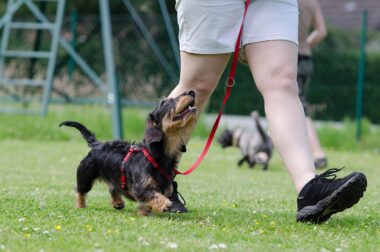

Daily Logs: Documenting Your Dog’s Training Journey
The journey towards training your dog is both rewarding and challenging. Keeping a daily log can significantly enhance your training sessions. By documenting each day, you can track your dog’s progress, recognize patterns in their behavior, and identify areas needing improvement. Try to include essential details like the training exercises you performed, the duration of the training, and your dog’s responses to each task. Over time, having these documented experiences will allow you to assess what methods are working best. This not only helps you remain organized but also enables you to communicate better with trainers or other pet owners. Furthermore, you may notice progress that is not evident from day to day, which can motivate both you and your dog. Using a journal can also provide insights into your dog’s mood and other daily activities, giving a fuller picture of their behavior. Whether you prefer a physical notebook or a digital app, maintaining a consistent method can make a huge difference in training. Don’t forget to celebrate the small victories as you compile your log. Your dog is learning, and you are growing as a trainer.
Documenting your dog’s training journey also allows you to assess the effectiveness of various training techniques. For example, you might notice that your dog responds better to positive reinforcement than other methods. Take note of specific commands or tricks that seem easier or harder for your dog to learn. Recording such details can build your understanding of your dog’s unique personality and learning style. Alongside behavioral observations, include any external factors that might influence your dog’s performance, such as weather conditions, distractions, or even hunger levels. All these factors could explain variances in your dog’s training outcomes. Attaching photos of training sessions can also enhance your log, making it visually engaging and memorable. Document how both you and your dog feel at the end of each session; these impressions will be helpful for reflection later on. Identifying trends over weeks or months reveals your dog’s growth trajectory. Each training log entry contributes to a comprehensive overview of your efforts and experiences. Moreover, reflecting on your log entries can help you adapt future training sessions to better suit your dog’s evolving needs.
As you build your log, consider using different formats to keep it interesting. Some owners opt for simple bullet points, whereas others may prefer more descriptive narratives. You could even designate a section for occasional training goals or challenges you would like to overcome. For instance, if your dog struggles with specific commands, highlight these areas to focus on in future sessions. This helps create a structured approach to training that is both engaging and effective. You can also include tips you learn from other trainers or fellow dog owners. Attending workshops or reading dog training literature can enrich your journaling experience. Incorporating new techniques can reinvigorate your training routine, especially if your dog seems to plateau. Consistency is essential; dedicate a specific time daily or weekly for logging your entries. This habit will provide a sense of accountability and progress tracking. Develop a system that works for you and fits into your lifestyle. Don’t hesitate to venture into creative expressions—whether it’s sketches, quotes, or fun anecdotes. Let your manuscripts reflect the unique bond you share with your dog.
Celebrating Milestones
Celebrating milestones in your dog’s training journey can be incredibly rewarding. Consider incorporating special rewards into your log entries for your dog’s achievements. Whether your dog successfully learns a new command or completes an entire training session without a hitch, documenting these wins boosts morale for both you and your pet. Acknowledging small successes can build a solid foundation for more complex tasks down the road. Occasionally reread your logs to revisit past accomplishments, which can serve as motivation during tough days. You may also want to treat your dog with fun outings or new toys when significant milestones are reached. Don’t let these achievements fade away in memory—recording them ensures they’re remembered. This practice fosters a positive training environment where your dog feels accomplished and excited for further training. Observing the enthusiasm in your dog when they achieve a goal reinforces their eagerness to learn. Celebrate not only the achievements but the bonding experience between both of you. Your log becomes an overall inspiration, chronicling happy moments and growth. Look back at how far you’ve come together and appreciate the journey.
Engaging in regular reflection on your training journal can highlight areas for further development. This process of reflection allows you to parse through entries to identify what methods were most effective and which seemed to yield limited results. If you’re consistently struggling with a specific command, it may call for a shift in approach. Rethink your techniques, and don’t hesitate to seek advice from experienced trainers or resources. Your log can also reveal trends, such as whether your dog performs better during certain times of day. Keeping track of your dog’s mood during training is equally important; dogs can behave differently based on their emotional states. Use your notes to tailor your sessions according to your dog’s energy levels and temperament. Moreover, consistency in your notes helps in establishing a rhythm that your dog learns to adapt to over time. By systematically reviewing your training logs, you can ensure that you’re making data-driven decisions about your training strategies. This scientific approach helps both you and your dog improve in meaningful ways, adapting as necessary while keeping the experience enjoyable.
Using Technology for Tracking
In today’s fast-paced world, technology can also play a vital role in tracking your dog’s training journey. Various apps designed explicitly for dog training make documenting each session easier and often more interactive. These digital tools provide customizable templates you can fill in after each training session, allowing you to see progress visually. By using photos or video clips, you can create a digital timeline showcasing your dog’s development. Many apps also allow reminders for training as well as tips and tricks to maximize each session’s effectiveness. Consider using social media to share your dog’s progress with friends and family, creating a supportive community around your training efforts. Many groups on platforms like Facebook or Instagram are dedicated to dog training topics, where you can exchange advice. Moreover, watch training videos directly linked within some apps to learn various techniques that may suit your dog’s style. Embrace this technological age as a tool, not a replacement for the valuable bond that training fosters between you and your pet. These approaches can considerably enhance your training experience, making it engaging for both you and your dog.
Ultimately, your dog’s training journey is a shared experience between you both. By pursuing consistent logging and reflection, you foster not only your dog’s learning but also your growth as an owner and trainer. Every entry adds depth to the relationship, helping you understand one another better. The dedication you show in documenting various aspects of your training sessions is crucial for progressive learning. Different strategies will resonate with each dog; hence, your log also becomes a personalized guide tailored to your pet’s specific needs. The journey involves challenges and triumphs; releasing these experiences into writing offers relief and perspectives that can improve future sessions. Do not underestimate the power of words; they can inspire and provoke thoughts that enhance both your techniques and your dog’s reactions. In the end, the daily logs you collect serve as invaluable records of your pet’s educational path. Additionally, they allow you to celebrate the bond you are forming through training and mentorship. Investing time in maintaining a comprehensive log empowers your dog to grow while boosting your skills and confidence as a trainer.