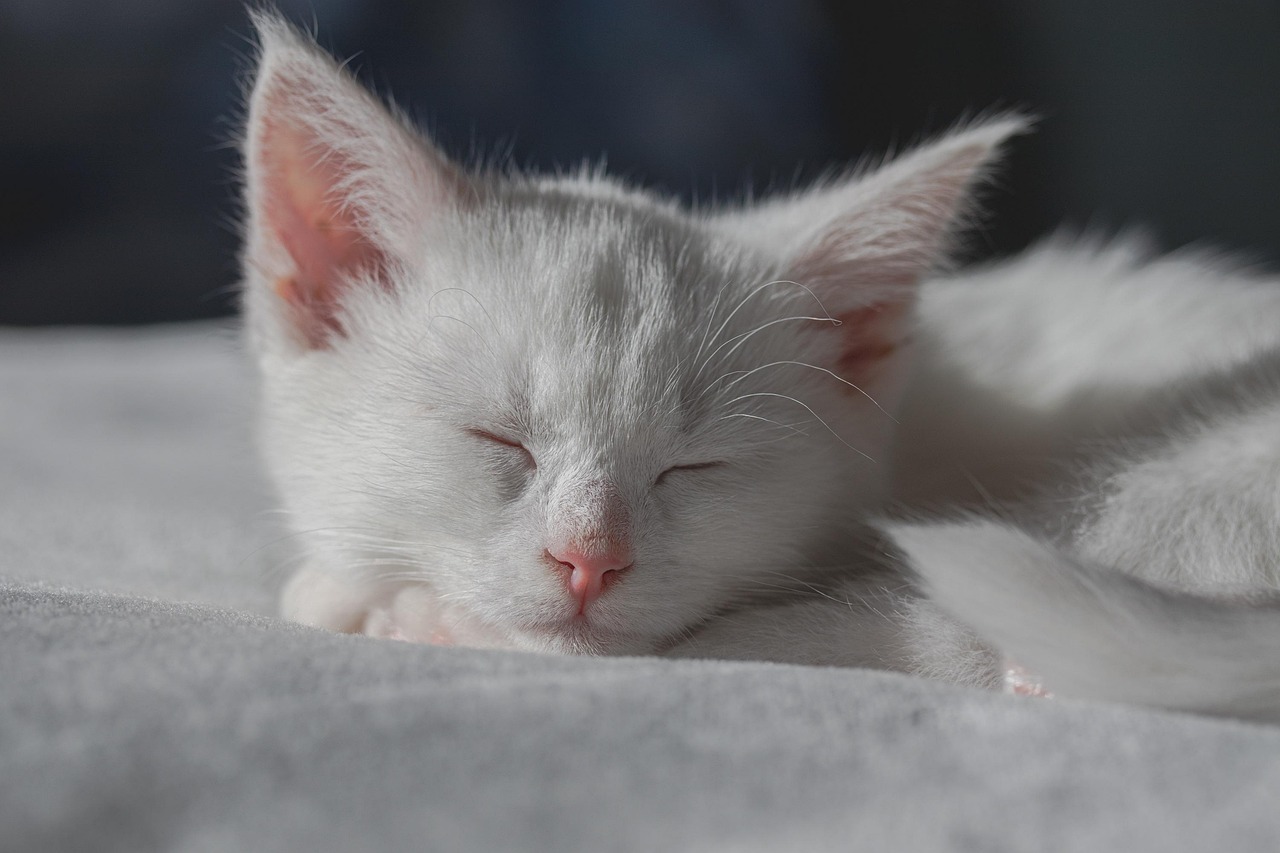

Creating a Quiet Space: Tips for Calming Your Injured Cat
When your cat is injured, creating a calm environment is essential. Cats are naturally sensitive creatures, and stress can hinder their recovery. To provide an optimal space for healing, start by choosing a quiet area in your home. This room should be away from loud noises and stressful activities. Use soft bedding and create a soft, cozy corner where your cat can rest comfortably. Providing privacy is also crucial, as cats appreciate having a safe haven. Consider using a box or enclosed space that allows your feline friend to feel secure. Keep the room dimly lit to reduce stimulation and make your cat feel more at ease. Avoid playing loud music or having the television on while your cat is resting. Also, minimize interactions with other pets during this recovery time. This will help your injured cat focus on healing without distractions. Regularly check on your cat but maintain a calm demeanor during these visits. This will instill confidence and help your cat feel safe. It’s all about understanding your cat’s unique needs during this critical time.
Utilizing calming scents can also enhance your cat’s recovery experience. Essential oils are often used for aromatherapy in humans and can have a similar positive effect on cats. However, be cautious; some scents can be harmful. Use cat-safe options like lavender, which is known to have calming properties. You can use a diffuser, or simply apply a cotton ball with the diluted oil in the area. Making sure your cat has access to their favorite toys can also help in the healing process. Familiar objects provide comfort and a sense of normalcy. Allow your cat to choose the items they prefer, as this encourages emotional stability. Establishing a routine during recovery can aid in reducing anxiety. Having set times for feeding, play, and rest can help your cat feel more secure. Enrich the environment through interactive toys that stimulate focus without causing stress. Soft music can also be beneficial during recovery. Cherish these moments to bond with your cat, as your calm voice can reassure them. By supporting their emotional well-being, you create a nurturing atmosphere conducive to healing.
When dealing with an injured cat, monitoring the environmental temperature is vital. Cats are sensitive to temperature changes, so ensure the area is comfortably warm but not too hot. Using heating pads, blankets, or even a cozy bed can help maintain a comfortable temperature without overheating. Cats often feel more secure when they have a warm place to rest. Ensure that any heating devices are safely monitored, as your cat’s safety is the priority. Proper hydration is another essential element during recovery. Encourage your feline to drink more water by providing fresh and clean water. Consider using a water fountain, as many cats prefer running water. If your cat isn’t eating due to their injury, consult your veterinarian for suitable options to increase their food intake during this time. High-quality, nutritional food can significantly assist with recovery. Soft or wet food may be more appetizing for an injured cat. Always seek to foster a supportive atmosphere with gentle encouragement. Checking in with your vet throughout this period can provide reassurance that you are taking the right steps towards recovery.
Offering Gentle Comfort
Your cat’s comfort should be your highest priority during their healing process. Engaging with your injured cat should be gentle and soothing. Avoid rough handling, and be mindful of any sensitive areas due to their injury. When petting your cat, choose soft strokes and ensure that you are not disturbing affected areas. Speak softly to reassure them, and always observe your cat’s body language. If they seem overwhelmed or agitated, give them some space to calm down. You can also consider providing soft blankets or towels that hold warmth and comfort. Cats can benefit from gentle massage in some instances, which can promote relaxation and relieve tension. Research how to do this properly to ensure you don’t cause discomfort. Provide a variety of cozy hiding places, like covered beds or a secluded corner to retreat for quiet time. This gives your cat control over their recovery space. When you must provide medications or treatments, remain calm and patient. Following the vet’s recommendations for administering medication without stress can make a significant difference in your cat’s experience.
Another aspect to consider is minimizing travel and visiting new environments. While certain situations may require a vet visit, try to limit any additional trips or activities that cause stress for your cat. The less movement and travel they engage in, the better they can manage their recovery. If a follow-up visit is necessary, prepare your cat ahead of time. Use a familiar soft carrier, and allow them to explore it before the trip. This familiarity will help ease anxiety related to the new environment. You can use calming pheromone sprays designed to reduce stress before these trips. When your cat returns home, continue to provide soothing surroundings. The recovery process can be lonely or distressing for an injured cat. Spend extra time with them during this time to promote bonding. Encourage quiet, interactive play that doesn’t require much exertion. This helps build a positive association with healing, allowing them to recognize that recovery is safe and beneficial. Remember that patience will be your ally throughout this entire process of care.
Incorporating Relaxation Techniques
Incorporating relaxation techniques into your cat’s routine can enhance their well-being. Cats are naturally curious and participate in self-soothing behaviors. Providing a space where they can escape to and observe from a distance is an important part of recovery. Consider safe hidey-holes or elevated spots that offer a sense of protection while allowing them to engage with the world at a comfortable pace. Using soft and familiar blankets can also help reduce anxiety. Cats often find comfort in specific scents; make certain to maintain an environment filled with positive and relaxed odors. This can include a little of their favorite bedding or toys that carry their natural scent. Additionally, creating a calming atmosphere with indirect light can make their resting area less stressful. It is crucial to ensure their surroundings feel safe by using furniture or decorations that aren’t likely to injure them. If introducing new elements, consider their needs carefully. Slowly transition any changes to avoid overwhelming them further. Play classical music or have soft sounds in the background to complement a tranquil environment that promotes healing.
As your cat begins to heal, gradually reintroducing them to social interactions is important. However, ensure that these interactions are limited and controlled. Monitor their reactions to new stimuli and remove any stressors. If your cat enjoys company, gentle interactions with you can be very calming. Be mindful of their comfort levels with visitors. Invite calm and quiet friends who understand your cat’s needs. It may be helpful to remind guests to respect your cat’s space. Additionally, ensure that other pets in the home also understand the situation. Keeping a separate area for the recovering cat is critical, especially if more active pets exist within your household. Reward your other pets for calm behavior around the recovering cat to reinforce positive actions. Over time, be observant about how your injured cat responds to their environment and other pets. Progress at their pace, respecting their anxiety in social situations. Incentivizing cautious explorations and positive interactions as they gain strength and confidence will create a smooth process for everyone involved. Ultimately, patience will ensure comfort and safety while aiding your cat’s recovery.
Conclusion
In conclusion, creating a calm environment for your injured cat is essential for their recovery. Combining comfort, familiarity, and personalized care will make a difference during this time. Attention to their emotional health is just as important as treating their physical ailments. Understanding their unique needs requires empathy and patience as they navigate through the healing process. Regular environment assessments will help in creating ideal conditions for recovery. Adjustments, like quiet spaces and safe hiding spots, will give your feline the stability and security they require. Incorporate gentle comforts, safe social interactions, and relaxation techniques into their daily routine to support their journey. Remember that every cat is different, so what works for one may not work for another. Tailoring your approach to suit your cat’s preferences will ensure a supportive atmosphere that promotes healing. In these moments, your bond will deepen as you provide love and care. By keeping your cat calm, you enable them to recover effectively while reinforcing that they are loved and supported. Every small step you take contributes to creating an environment that nurtures and helps restore health and vitality.