
Introduction to Training Cats for Agility Courses
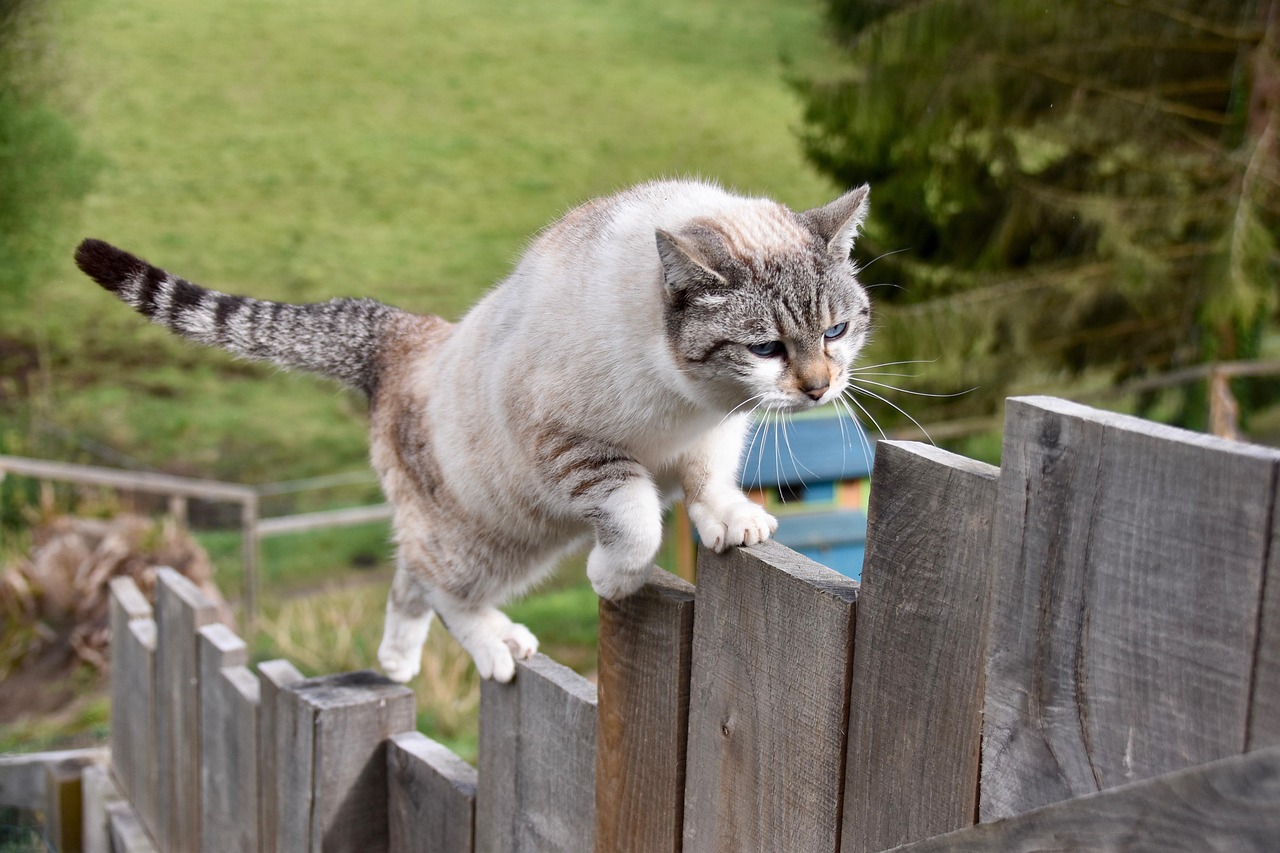
Training cats for agility courses might seem unusual since agility competitions are typically dominated by dogs. However, cats are also capable of mastering agility skills. Training provides mental and physical stimulation, which can lead to a healthier, more active lifestyle. Initially, it is important to observe your cat’s natural movements and instincts. Cats are naturally curious and playful, traits that enable them to navigate through obstacles. Always approach training with patience and positive reinforcement. Utilize treats and praise as motivators during training sessions. Encourage your cat to explore tunnels, jump over hurdles, or weave through poles, gradually increasing the complexity. Create an environment conducive to learning; maintenance of the course is equally vital for safety. Choose a time when your cat is most active, typically after a play session. Another crucial factor is to keep training sessions short and engaging to avoid overwhelming your cat. The use of clickers, or similar tools, can aid in reinforcing desired behaviors. Each successful session builds confidence. Finally, always celebrate progress, no matter how small. Training should be a fun bonding experience for you and your feline companion.
Technique development is essential when preparing a cat for an agility course. Start by introducing fundamental commands that your cat can associate with actions. Simple commands like “sit,” “stay,” and “come” are central to establishing communication. Implement these commands within agility training. For example, you can ask your cat to “sit” before they approach a jump. Create positive associations with equipment. Allow your cat to explore each piece of agility apparatus before they tackle the course. Utilize interactive toys within the agility setup to entice your cat’s interest. Gradually increase the difficulty of tasks to help them adapt. Prioritize consistent practices and ensure a regular training schedule. Adapt the training techniques based on your cat’s personality and comfort levels, as each cat learns at their own pace. Focus on building your cat’s confidence by allowing them to succeed and offering plenty of praise. Cats respond better to encouragement rather than fear-based tactics. Forming a strong bond with your cat through these shared activities will not only facilitate agility training but also enhance your overall relationship. Always celebrate completion of the course, making it a rewarding experience for both owner and pet.
One of the benefits of cat agility training is that it can help improve your cat’s physical health. Many cats are prone to obesity due to sedentary lifestyles. Engaging in agility training allows them to exercise in a fun way, which can help promote a healthy weight. Increased activity can prevent obesity-related health problems. Additionally, agility training enhances your cat’s coordination and flexibility. Managing their movements helps with muscle tone and strength development. Moreover, agility courses stimulate mental faculties, enhancing quick decision-making skills. Cats learn to navigate obstacles while following commands—processes that foster quicker reflexes. Mental stimulation is often neglected, yet it is just as crucial as physical activity. During training sessions, provide varied experiences to keep your cat engaged. Rotate equipment and change setups so your cat faces new challenges. Allowing cats to explore their environment enhances exploration instincts. Consider entering local agility competitions that allow cats. These events promote fitness and provide social opportunities with other cat owners and their pets. This atmosphere increases the enjoyment. With persistence and dedication, your cat can grow to love agility training, attributing numerous advantages to their overall well-being.
Common Challenges in Cat Agility Training
Every cat trainer inevitably faces challenges when training their feline companions for agility courses. Understanding these challenges can lead to more effective training methods. One common issue is a cat’s natural independence; they may resist commands or become distracted. To adapt, always harness their playful instincts and make training sessions enjoyable. If your cat loses interest, try restarting and incorporating different toys or treats to regain focus. Every cat has unique personalities and learning speeds; therefore, patience is imperative. Training should not feel rushed, as frustration can hinder overall progress. Another challenge arises from environmental factors; distractions can disrupt focus. Ensure the training area is free from environmental disturbances. Alternatively, start training in a quiet area and gradually expose your cat to more distractions. Consistency is vital; adhere to a regular schedule to form habits. When introducing new equipment, proceed gradually. Sudden changes can overwhelm your cat and hinder confidence. Finally, confront fears—if your cat hesitates at an obstacle, never push them. Instead, support and guide them gently. With time, your cat can overcome challenges, improving their agility skills and winning your bond.
Socialization plays a crucial role in training cats for agility. It is vital to expose your cat to different environments, sounds, and other animals during training. Gradual socialization can help your cat grow accustomed to various stimuli. Understanding how your cat reacts to different situations ensures more successful training sessions. This exposure may include inviting friends and their pets over during practice sessions. Observing various interaction styles can provide insights into your cat’s comfort levels. Learning to navigate competitive environments, such as pet shows, builds resilience and adaptability. Additionally, engage your cat by participating in local cat clubs. They provide opportunities for cats and owners to connect, share techniques, and learn from others. As cats experience agility challenges among fellow participants, they acclimate to competing against other animals. Together, navigating through stressors builds confidence. Highlighting your cat’s progress in socialized situations can lead to career opportunities in performances or agility competitions. Always ensure your cat’s comfort. If the social settings seem overwhelming, revert to safer environments until they’re ready. Patience and consistent exposure can bridge any gap between a fearful cat and an agile champion.
Safety and proper equipment are paramount components when training cats for agility courses. Equip yourself with suitable gear designed for felines, ensuring it fits securely. Explore harnesses, which help keep cats secured during tough obstacles. Rigid collars are not preferable as they may lead to injuries. Safety considerations extend to the training area where the equipment is hosted. Always ensure that the course environment is free of sharp objects or hazardous materials that may pose a risk for your cat. Regularly inspect equipment for wear and tear to ensure it’s in optimal condition. The right surface is equally important; use non-slip materials to provide traction during activities. During training sessions and competitions, cats should receive regular breaks. Overexertion can lead to injuries or exhaustion, which impedes training. Monitor your cat’s behavior closely—if they appear stressed or unwilling, reassess the pace and conditions. Proper hydration is similarly essential; ensure fresh water is available throughout training. Additionally, never leave cats unattended during agility drills as it may lead to unforeseen circumstances. Overall, prioritizing safety measures fosters a more enjoyable and rewarding experience for both you and your agile cat.
Celebrating Achievements in Agility Training
Celebrating achievements, big or small, is essential during the journey of agility training. Recognizing progress reinforces positive behavior, encouraging your cat to engage further. A successful session deserves acknowledgment, no matter how minor the accomplishment. Establishing a reward program can be an excellent way to communicate success; provide treats, praise, or playtime during these moments. Tracking milestones can also be beneficial; consider creating a training diary where each successful task or completed course can be documented. This aspect helps visualize growth and remains a motivator to continue training. Set realistic goals and milestones that are attainable for your cat’s specific capabilities. As they achieve these, it fosters confidence and enthusiasm towards agility training. Celebrate your cat’s agility accomplishments publicly, sharing with fellow pet owners and families. Capture their pride through photos or videos showcasing their training achievements. Consider organizing mini-competitions among friends or family to elevate excitement and create joyful memories. Ultimately, the training journey should be less about competition and more about growth, connection, and fun. So celebrate every victory to strengthen the bond you share with your agile feline companion.