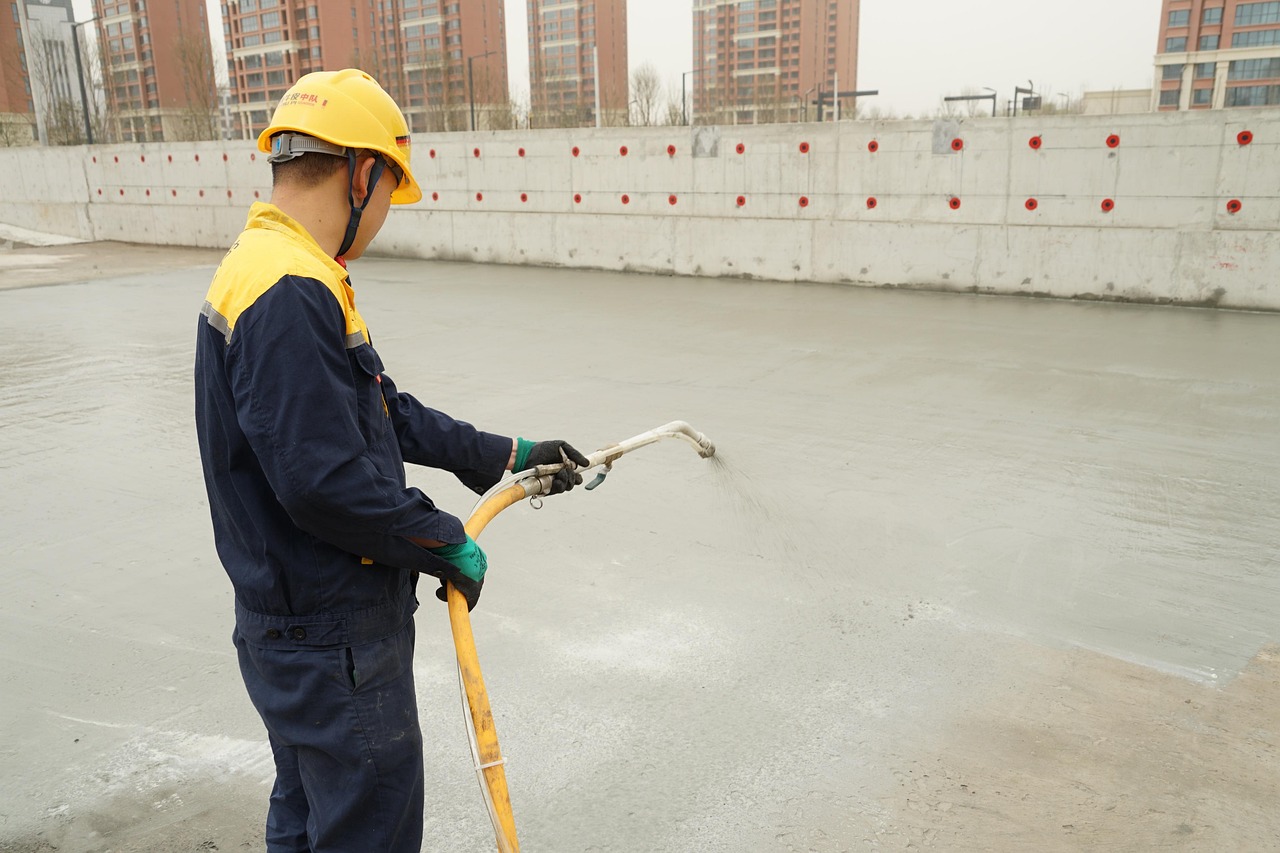

Maintaining Waterproofing in Your Dog’s Shelter
Providing your dog a suitable shelter is essential for their well-being. However, maintaining waterproofing in your dog house is crucial. Proper waterproofing protects against rain, snow, and moisture. Here are some essential steps to ensure that your dog’s shelter remains dry and comfortable. Firstly, choose the right materials for construction. Selecting rot-resistant wood or treated plywood can greatly enhance durability. Secondly, make sure that the roof is sloped properly. A sloped roof allows rain and snow to slide off instead of accumulating. Additionally, regularly inspect the roof and walls for damage. Look for cracked or peeling paint on wooden surfaces, and fix any issues immediately. Using caulking or sealant can help close gaps that may allow water to enter. Furthermore, consider installing a moisture barrier on the floor or foundation. This barrier prevents water from seeping upward. Lastly, keep the area surrounding the home clear of debris, which can trap moisture. Regular maintenance can extend the life of your dog house and ensure it remains safe and cozy for your beloved pet.
Choosing the Right Location for the Dog House
The placement of your dog house plays a significant role in its ability to stay waterproof. Avoid placing it in low-lying areas where water might accumulate after heavy rain. Instead, opt for a well-drained location, preferably with a slight elevation. This ensures that rainwater runs off and does not pool around the shelter. Additionally, consider the direction of prevailing winds. Placing the house away from these winds minimizes weather exposure. Furthermore, try to provide natural shade for the dog house, protecting it from the sun. Overexposure to UV rays can weaken materials over time. If possible, install a small awning above the entrance. This provides extra overhang, reducing water entry during rainstorms. Another consideration is the type of ground surrounding the dog house. Grass or dirt is preferable to concrete, as it absorbs water and prevents flooding. Finally, ensure that there are no tree branches close to the house that might fall during storms. Taking these locational factors into account will significantly enhance the waterproofing and overall durability of your dog’s shelter.
Furthermore, proper ventilation is often overlooked in maintaining a waterproof dog house. Adequate airflow helps prevent mold and mildew, which can thrive in damp environments. When constructing your shelter, ensure that it has vents or windows to allow air circulation. However, these openings should be designed to prevent rain from entering. Using mesh screens can provide pest control while allowing air to flow freely. Additionally, consider insulating the walls and ceiling of the dog house. Insulation works to regulate temperature and keeps the interior dry. It also keeps your dog warm during colder months, providing a comfortable climate year-round. Regular cleaning of the shelter is vital as dirt can retain moisture. Use a simple mixture of soap and water to scrub walls and floors, ensuring no residue is left. Moreover, inspect the insulation periodically to verify its condition. Replace any materials that show signs of moisture damage. Keep bedding dry and use moisture-absorbent materials like straw or cedar shavings. These practices enhance comfort, preventing bacteria buildup while ensuring your dog remains healthy.
Waterproofing Techniques and Materials
Several effective waterproofing techniques can be employed to protect your dog house. A popular choice is the application of waterproof paint or sealant to all exterior surfaces. It forms a barrier that water cannot penetrate. Make sure to choose non-toxic options that are safe for pets. Another effective method involves using roofing felt or rubber roofing. These materials are durable and specifically designed to withstand the elements. Installing these materials can significantly extend the longevity of your dog house structure. Additionally, a canvas cover can be placed over the roof to provide additional protection. The flexibility of canvas allows for easy removal during sunny days. Regularly assess and maintain these materials for signs of wear and tear. Also, check the foundation regularly for rot or erosion. If you notice issues, replace the affected sections promptly to maintain waterproof integrity. To enhance overall structure durability, consider using pressure-treated lumber for the floor. This not only provides stability but also protects against moisture ingress. Following these techniques and using quality materials will significantly protect your dog’s well-being and comfort.
Seasonal maintenance checks are an essential part of keeping the dog house waterproof. Each season brings different challenges that can impact your pet’s shelter. For instance, during autumn, leaves can clog gutters or roof edges, leading to water accumulation. Make it a habit to remove debris immediately after fallen leaves are noticed. Similarly, inspect the structure following winter conditions. Check for snow accumulation that might weigh down or damage the roof. In spring, focus on checking for any cracks or damages caused by frost heave. These issues may allow water to penetrate and should be corrected. Moreover, before the summer months, inspect the integrity of the dog house against humidity. Ensure proper ventilation mechanisms are functioning correctly. Lastly, consider scheduling an annual waterproofing assessment where necessary. It’s best to consult with experts if you notice persistent issues. Investing time in seasonal maintenance can save you money in the long run. Early detection of problems is the key to maintaining integrity and ensuring your dog’s shelter remains a safe haven. Don’t treat this as optional; treat it as a vital responsibility for your furry companion.
Monitoring Temperature and Humidity Inside
Maintaining a comfortable temperature and humidity level within the dog house is vital for your pet’s health. High humidity can lead to respiratory issues and promote mold growth, while excessive heat can cause heat stress. To monitor conditions accurately, consider using a thermometer and hygrometer. Devices like these help ensure that your dog’s environment remains comfortable year-round. If you find that summertime conditions are too hot, consider installing a small fan. A fan can increase airflow, promoting cooling, and ensuring proper ventilation. Conversely, during the winter months, ensure there are thermal insulation measures in place. You may use insulated panels that prevent heat from escaping. Additionally, utilizing heating pads or blankets can keep temperatures comfortable without excessive excess heat. As an active owner, regularly assess your pet’s behavior and comfort levels. Signs of distress or excessive panting may indicate over-heating. Finally, remember to adjust the bedding based on the season. In winter, use warm bedding materials, while lighter options work well in summer. Establishing these conditions directly contributes to your dog’s overall health and happiness.
Ultimately, a waterproof dog house provides numerous benefits beyond mere protection from water. A well-maintained shelter creates a stable environment, enhancing your dog’s overall quality of life. For one, proper insulation ensures that your dog is shielded from the cold during winter. This is particularly vital for small breeds that are more susceptible to temperature fluctuations. Additionally, a dry environment prevents the development of skin infections or conditions that thrive in damp surroundings. By consistently checking the structural integrity, you promote longevity, minimizing costs associated with repairs or replacements. Furthermore, investing in waterproofing techniques and systems means less effort in cleaning and maintenance, allowing you to enjoy quality time with your pet instead. Regular upkeep also encourages better behaviors, as your dog will feel safer and more comfortable in their shelter. In essence, taking proactive steps in maintaining waterproofing is about far more than just a roof over their heads; it’s a commitment to their health and happiness. A reliable shelter protects your dog, ensuring that their needs, comfort, and welfare are envisioned and taken care of with great love and responsibility.
Conclusion and Takeaways
In conclusion, maintaining waterproofing in your dog’s shelter is critical for their health and well-being. Through proper construction, regular maintenance, and seasonal checks, you can create a safe space for your pet. Remember to prioritize selecting durable materials and proper placement. Effective waterproofing techniques can save both time and money in the long run, contributing to a more pleasant living environment. Furthermore, it is essential to monitor internal conditions, ensuring a comfortable atmosphere with suitable ventilation and temperature control. Continually investing in your dog house will prevent potential health risks and increase your pet’s quality of life. You should view it as a part of responsible pet ownership rather than just a task. Consider involving your children or family members in the upkeep process, turning it into an educational opportunity about pet care. Finally, always remain observant for any changes in your pet’s behavior, as these can signal issues needing immediate attention. Your attention and effort will not go unnoticed by your beloved dog, cultivating gratitude and loyalty. A well-cared-for dog is a happy dog, so prioritize their living conditions today.