
Common Mistakes in Cat Rescue Photography and How to Avoid Them
When photographing cats for rescue organizations, one common mistake photographers make is poor lighting. Low-light conditions result in blurry or dark images that do not truly represent the cats. Natural light is often best, so shooting near windows or outdoors during golden hours—early mornings or late afternoons—can yield better results. Utilizing reflectors can also enhance lighting, bringing out details that otherwise may get lost in shadow. Avoid using flash too frequently, as this can cause red-eye and discomfort for the animals. Instead, focus on capturing the essence of each cat in the right light. This provides a clearer view of their features, making it easier for potential adopters to connect. Soft, warm lighting will evoke a sense of warmth and affection that can be critical in attracting interest. Lastly, don’t forget about supplemental lighting where necessary, such as lamps that diffuse light softly. This ensures that each capture is vibrant and as true-to-life as possible, aiding in more successful adoptions. Lighting truly sets the tone for the photographs, making it a crucial aspect to master in cat rescue photography.
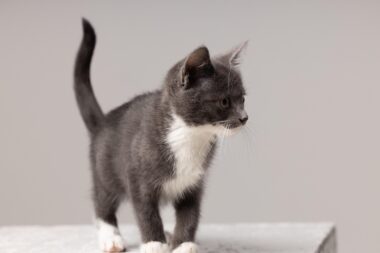
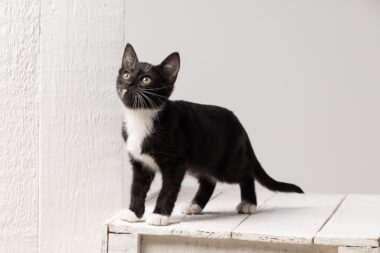
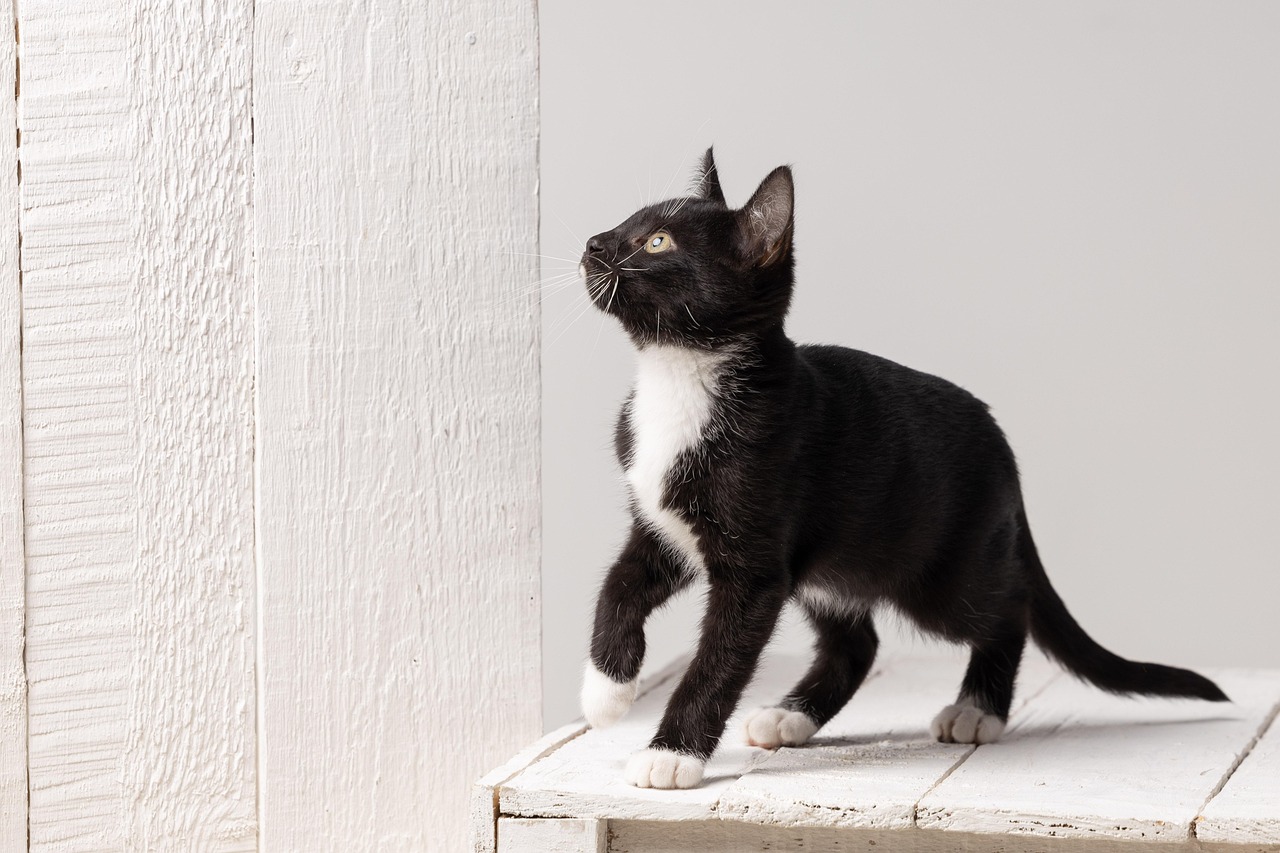
Another error often observed in cat rescue photography is failing to provide an enticing background. Busy or distracting backgrounds can draw attention away from the cats and lead to unappealing photographs. Always consider what is behind your subject when taking a shot. Instead, opt for simple backgrounds that complement the cat without overshadowing their features. For instance, a soft blanket or a plain wall can work wonders in creating a focused shot that highlights the cat’s personality and beauty. Additionally, experiment with angles. Level shots that are taken from the cat’s perspective can create a connection between viewer and subject, inviting potential adopters to feel engaged even through a photograph. Furthermore, incorporating environmental elements like toys or plants can add character to the images but remember to keep them subtle. This approach can help narrate a story about the cat’s personality and living situation, instilling a sense of warmth. Taking the time to think about backgrounds and angles can transform basic photos into eye-catching ones that capture the hearts of prospective adopters.
Neglecting Cat’s Natural Behavior
Neglecting to showcase a cat’s natural behavior is another common mistake made in rescue photography. Capturing these moments, such as playing or lounging, conveys their unique personalities. Action shots of cats playing can evoke feelings of joy and relatability for potential adopters. Use toys, feathers, or even simple objects to engage them while you photograph. Cats are often more comfortable when in their familiar surroundings, so consider taking pictures in the shelter or their foster home. Be patient and observe their actions, waiting for spontaneous moments that reveal their true selves. If a cat is shy or timid, capturing those moments of quiet exploration can also help present their character, appealing to those looking for calm companions. Additionally, remember to capture a variety of poses and expressions. Photographs that vary in mood can give potential adopters a well-rounded view of each cat. This diversity in representation is vital as it demonstrates the broad spectrum of personality traits in felines, allowing viewers to connect emotionally. Given the competitive nature of pet adoption, showcasing their true character can significantly increase their chances of finding forever homes.
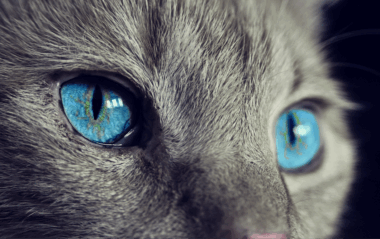
One often overlooked aspect is the importance of focusing on the cat’s eyes. Eyes play a crucial role in animal photography, as they can communicate emotions and connections. In photos, try to achieve sharp focus on the cat’s eyes, ensuring they are the focal point. Use a shallow depth of field to blur the background, drawing attention directly to their captivating expressions. Eye-level angles can help create a more intimate view, allowing potential adopters to feel drawn into the image. Furthermore, ensure that the cat’s fur is well-groomed before shooting. Unkempt fur can detract from their attractiveness and may suggest neglect. Also, feel free to use treats or toys to gain their attention, but always remain patient, allowing them to explore without feeling rushed. Capturing genuine moments will resonate more with audiences than forced poses. The goal is to present the cat authentically, showcasing their delightful personalities. A cat’s eyes can convey trust and affection, and when captured perfectly, can significantly enhance the emotional impact of the photographs. Remember, stunning eye shots can be the key to successful adoptions!
Over-editing Images
Over-editing images is a trap many photographers fall into; however, this can detract from a cat’s natural beauty. While adjusting exposure and color balance is beneficial, excessive editing can result in images that appear artificial. Potential adopters should be able to see what the cat looks like in real life, so maintaining authenticity is crucial. When editing, use a light touch to enhance the natural features of the cats rather than altering them completely. Filters that soften edges or enhance colors can create an attractive aesthetic but be careful not to make them look overly processed. Always aim for images that reflect the unique personality and color of each cat’s fur, showcasing their true vibrancy. In addition, avoid extreme cropping that might cut off essential parts of the cat or make them appear distorted. Instead, focus on framing the shot well in-camera whenever possible. Retouching should be done selectively, highlighting positive attributes rather than hiding flaws. Authentic and genuine images help build trust with potential adopters, ultimately boosting the chances for them to welcome in their new feline friend.
Additionally, another mistake often hinges on the timing and number of photographs captured. Rushing through the process can result in missed opportunities for excellent shots. It’s essential to take your time, ensuring you capture enough diverse images. Understand that some cats take longer to acclimate to a camera. Spending adequate time familiarizing yourself with your subject can lead to more authentic photographs, allowing the cat to behave naturally once they feel comfortable. Set aside sufficient time to shoot, especially when working with shy or nervous cats who may require extra patience. Experimenting with bursts of shots can also ensure a variety of options. In the digital realm, space is no longer an issue, so aim for multiple captures of the same moment, increasing the odds of getting the perfect shot. Variety can be your strongest asset in cat photography for rescue, as it allows you to showcase different angles and facets of each cat’s personality. Creating a comprehensive portfolio for each feline ensures that their best qualities shine through, ultimately attracting potential adopters.
Conclusion and Final Thoughts
Lastly, never underestimate the power of storytelling in cat rescue photography. Each cat has a unique story, and visually conveying that can be significant in connecting with adopters. Using captions or brief backstories can complement your photographs beautifully. This approach provides context and encourages empathy among viewers. Including the cat’s name, personality quirks, and any challenges they have overcome adds depth to each image, drawing attention and increasing the likelihood of adoption. Establish an emotional connection between the animal and viewer, making them feel compelled to bring that cat into their home. This narrative approach can resonate on social media and other platforms where visibility is critical in gaining interest. Moreover, arrange periodic reviews of your photography approach to identify weaknesses and improve over time. Learning from experiences will refine your technique, ultimately leading to more effective outcomes. By avoiding common pitfalls and embracing storytelling, you’ll empower the cats in your care, boosting their chances for successful placements. Focus on creating memorable images, enhancing their adoptability, and conveying their distinctiveness to the world.
Furthermore, cat rescue photography presents an exceptional opportunity to foster connections, and understanding these common mistakes can elevate your work significantly. Ensure that you continuously educate yourself about the latest trends and practices within the realm of animal photography. Embracing practical knowledge while mastering tools can prove invaluable in your quest to capture stunning imagery. Always seek feedback and, when possible, collaborate with fellow photographers or rescuers. Fellow professionals can share insights or tips that enhance your approach, leading to more impactful photography. By remaining open to learning and evolving your style, you promote better practices that will enhance the cats’ visibility and increase their likelihood of finding forever homes. Your role as a cat photographer is not just an art form but a vital piece in the puzzle of animal rescue. Through genuine passion and commitment, you can make a difference in countless lives, one photograph at a time. So grab your camera with the intent to showcase the beauty, charm, and endless love that cats possess, and help them find the homes they deserve.