
Seasonal Vaccinations and Health Checks Before Traveling with Dogs
Traveling with your dog can be an exciting adventure, but it is essential to consider their health and wellness before embarking on such trips. Seasonal vaccinations are critical to ensuring that your furry friend is protected against various diseases. Ideally, check with your veterinarian about recommended vaccinations that correspond with seasonal illnesses. For instance, leptospirosis can occur more frequently in warmer months when the virus is active. Vaccinating against this, as well as important seasonal vaccinations for Lyme disease, can safeguard your pet from severe health risks. Always establish a vaccination schedule that your veterinarian believes is suitable for your pet’s age, breed, and health history. Even if you frequently travel, this regular maintenance will provide peace of mind as you venture out. Furthermore, you should also ensure that your dog is up-to-date with all core vaccinations, such as rabies and distemper, prior to travel. An up-to-date health check and vaccination record can also be crucial if you need to board your dog or visit a new veterinarian while away. In addition, this documentation often is required when traveling across state lines.
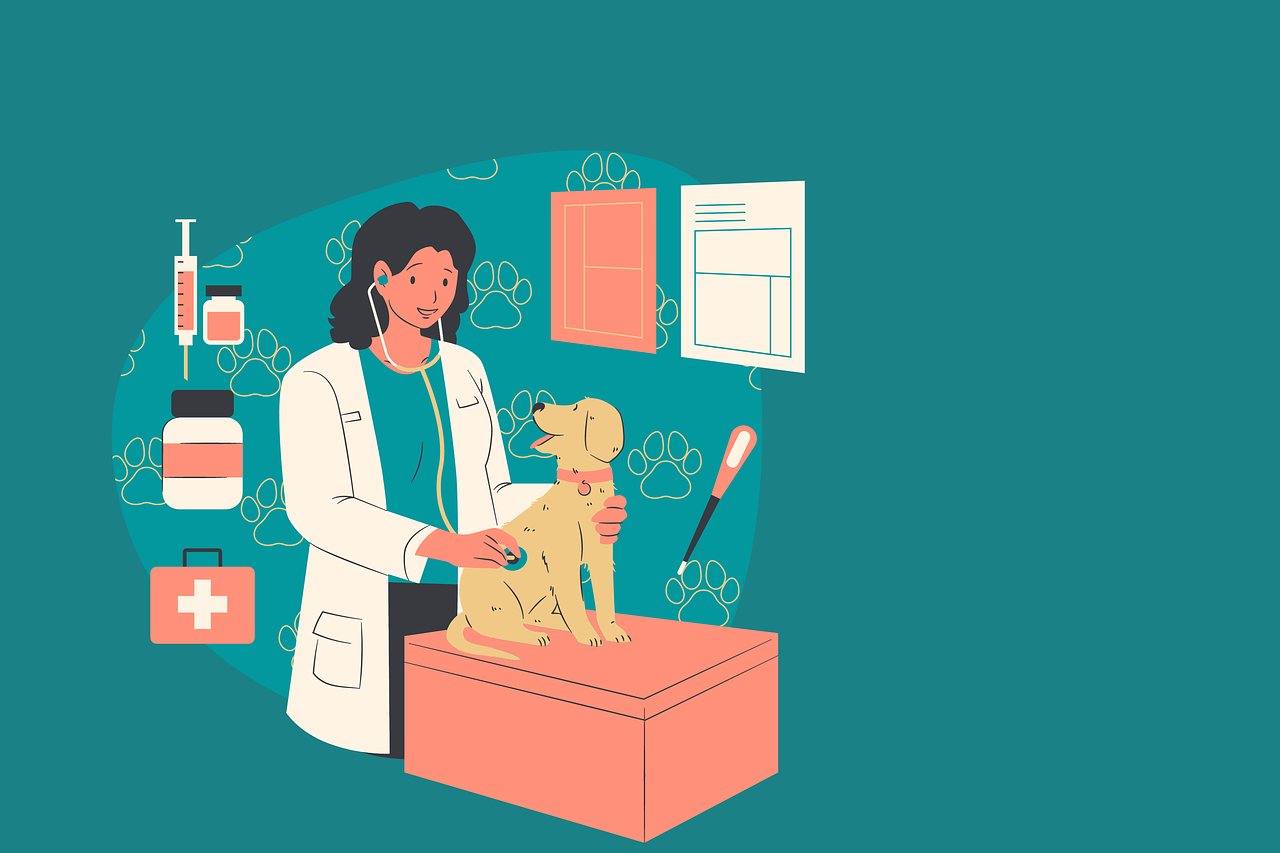
In addition to vaccinations, scheduling a thorough health check-up before traveling is advisable. A veterinarian can perform tests to ascertain that your dog is in peak condition, particularly if the travel involves long distances or changes in climate. Early detection of any health issues can save stress and discomfort during your travels. They’ll assess your dog’s diet, weight, and general behavior, ensuring everything is optimal for travel. They can also provide dietary recommendations tailored to your travel needs, such as portable and nutritious food options. Preparing for your dog’s needs ahead of time, including potential allergies or sensitivities, ensures a smoother experience. Additionally, remember to discuss any travel-related anxiety your dog may experience. Anxiety can lead to negative travel experiences, so your veterinarian might suggest strategies or medication to help keep your pup calm during the journey. Along with the check-up, bring your dog’s health records, vaccination history, and a list of any medications they currently take. This information could prove invaluable in case of an emergency while on the road or at your destination.
Traveling During Certain Seasons
Different seasons bring unique challenges and considerations for dog owners. For instance, if you are planning a trip during the summer, it is essential to think about heat exposure and dehydration, which can significantly affect your dog’s health. Always ensure you keep water available for your dog and plan for frequent stops to allow for breaks and bathroom needs. Moreover, it’s advisable to keep a pet-friendly cooling kit on hand, especially for breeds that may struggle with temperature regulation. Winter travel can also present hazards. Snow and salt can irritate your dog’s paws, so consider using pet-friendly booties to protect their feet. A winter coat or sweater may also be necessary for smaller or short-haired dogs that are susceptible to cold temperatures. Properly assess the travel environment and pack accordingly, being mindful that traveling at extreme temperatures, whether hot or cold, can stress dogs. Always have a first aid kit accessible, as it can come in handy during unexpected situations, regardless of the season. Thorough preparation is key to keeping your pet happy and healthy during adventurous travels.
When searching for pet-friendly accommodations, always check ahead for their pet policies and ensure you understand any additional requirements they may have for vaccinations or health checks. Many hotels and vacation rentals require documentation of your dog’s vaccinations before check-in. This often comes as a surprise to travelers who do not prepare thoroughly. Having these documents readily available could save considerable time and stress during the check-in process. Always confirm that the facility has amenities beneficial for your pet, such as designated walking areas or pet care services if you need to leave your pet alone for a period. If flying, contact the airline for their specific health requirements; some may require a health certificate issued by a certified veterinarian stating your dog is fit for travel. The airline policy may also dictate the size and breed of dogs allowed in the cabin, which is not only important for health reasons but also safety. Understanding these particulars will give you peace of mind and ensure a smoother trip. Pack your dog’s essentials, including food, water, leashes, toys, and other items that will make the journey enjoyable.
Monitoring Health During Travel
Once you are on the road or in the air, continue to monitor your dog for any signs of distress or illness. This is particularly important if traveling in new environments that might include bugs or plants they are not accustomed to. Symptoms like lethargy, excessive thirst, or unusual behavior may signal that your dog is not feeling well. If you observe any abnormal signs, consult a local veterinarian immediately and provide them with your dog’s vaccination records and health information – preparation plays a key role here. When traveling, your dog may encounter new foods or treats which could upset their stomach. It is beneficial to maintain their usual diet for at least the duration of the trip. If you do introduce new foods, do so gradually to avoid gastrointestinal distress. A robust first aid kit equipped with vet-recommended remedies can also provide support when unexpected health issues arise. Learning about dog first-aid procedures can empower you to care for minor ailments during your travels and beyond, ensuring that your dog remains happy and healthy while journeying with you.
After returning from your travels, schedule a follow-up appointment with your veterinarian. This step is crucial to ensure that your pet has not picked up any illnesses or parasites during your trip. In fact, some signs may not be immediately noticeable upon return. A post-travel health check can help identify potential concerns early, particularly if you’ve traveled to areas with different diseases. Make sure to mention any unusual behaviors or symptoms you noticed during the travel. Also, discuss returning vaccine schedules or any vaccinations or treatments that may be needed. Your vet can assess whether a booster is required and, if needed, schedule it for you. Monitoring your dog closely after the trip is just as important as the pre-travel health checks, especially as changes in environment can trigger health issues. What’s more, keeping an accurate travel and health log for your dog can be extremely beneficial. This log can include vaccination dates, health check timelines, and incidences during travel. Having these details available can assist both you and your veterinarian in future travels and health considerations.
Conclusion
In conclusion, ensuring your dog’s health through proper vaccinations and health checks is a responsibility every dog owner should take seriously. It involves planning ahead and understanding seasonal challenges associated with travel. Each season comes with unique risks, and by staying proactive, you can help prevent illnesses resulting from environmental factors. Preparing for a trip includes considering your pet’s needs and searching from accommodations, making sure they meet health requirements. The more preparation you put into your dog’s welfare, the more confidence you will have in your travels. Encourage regular check-ups and develop a solid relationship with your vet, as they can provide invaluable advice tailored to your dog’s specific needs and conditions. Keeping a comprehensive record can help streamline future travel preparation. Remember to monitor your dog for any signs of health issues while traveling. After returning from your adventure, follow up with your veterinarian is crucial to ensure your dog remains healthy. Taking these precautionary steps ensures a safe and enjoyable travel experience for you and your furry companion.
With the proper care and precautions, traveling with your dog can lead to wonderful memories and bonding experiences. The excitement of exploring new places with your four-legged friend creates a unique bond and enjoyable time for both of you. By ensuring they are healthy and prepared for travel, you can reduce stress during your journeys. Always remember to pack their favorite toys and items that will make them feel comfortable away from home. Happy travels with your beloved companion!