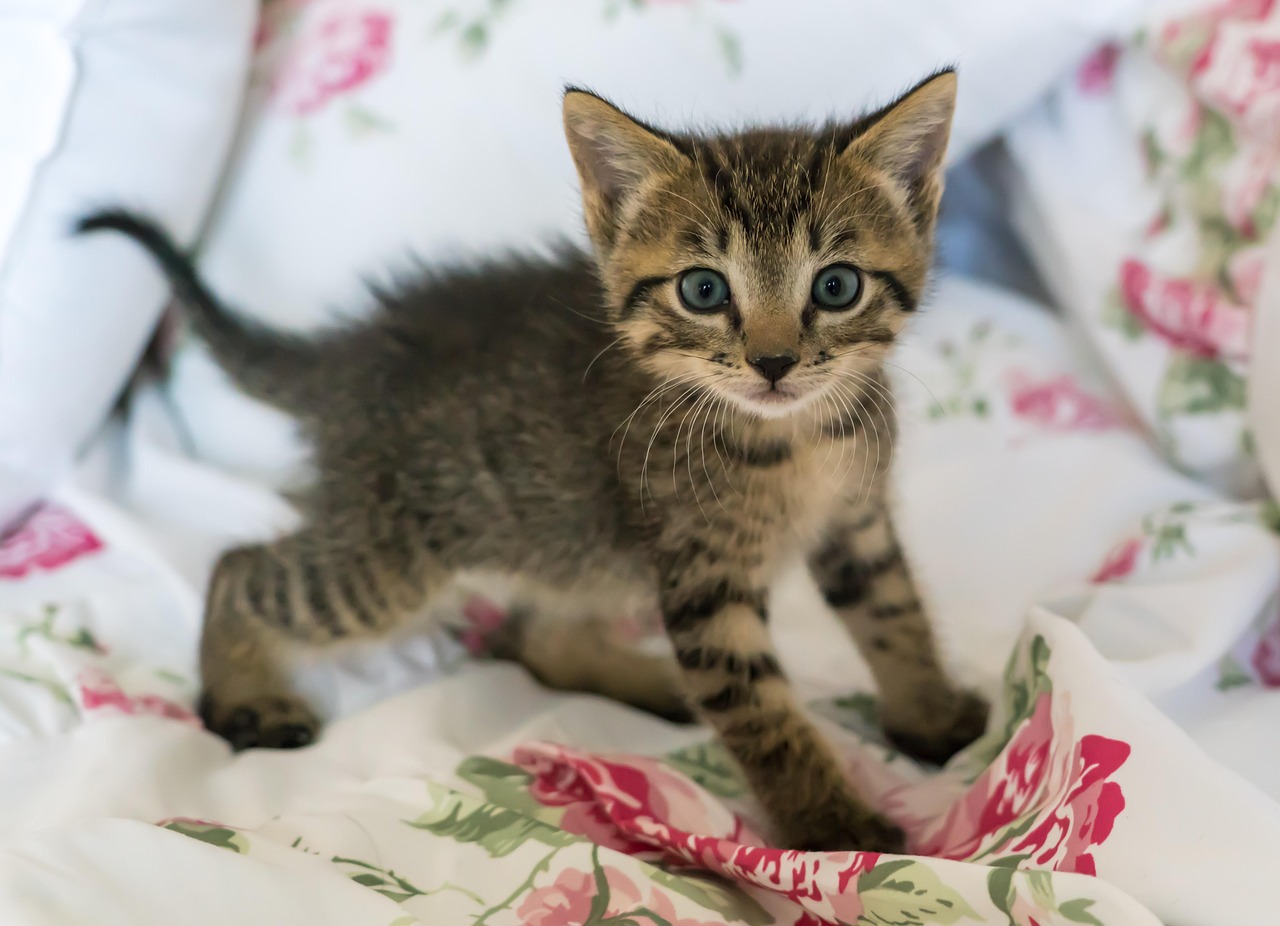

Socializing Kittens: How Foster Families Can Help
Fostering kittens can be a profoundly rewarding experience, especially when it comes to socializing these young animals. Socialization is crucial for kittens, as it greatly impacts their development and future interactions. When kittens are exposed to various stimuli early on, they learn to navigate the human world more easily. Foster families play an important role in this process by providing a safe, nurturing environment. Through daily interactions, these families help kittens develop essential skills. Creating a structured routine allows kittens to thrive. Regular handling, gentle play, and positive reinforcement are all effective techniques. Owners should spend time with the kittens, engage them in activities such as feather wands, and offer toys for exploration. By doing this, kittens become accustomed to human presence. It’s important for fosters to be patient and read the babies’ behavior. Watching for signs of stress or fear can guide foster parents on how to proceed. The bonding phase is critical, as it helps build trust. Ultimately, the goal is to prepare these kittens for their forever homes, transitioning them smoothly into new, loving environments.
Providing a stimulating environment is essential when fostering kittens. Playtime stimulates their instincts and enhances their social skills. Foster families should create a diverse space where kittens can explore freely and safely. Include different surfaces, tunnels, and climbing structures to encourage exploration. It’s also beneficial to introduce various toys that challenge and engage them. Interactive toys, like puzzle feeders, can keep them mentally stimulated and reduce unwanted behaviors. Moreover, the presence of other calm pets can enhance socialization. Kittens learn valuable lessons from observing older cats or even dogs. They pick up on communication cues and acceptable behaviors through interaction. Foster families should ensure that any resident animals are friendly and well-adjusted. Introducing kittens gradually can help minimize stress. Watching how they interact will give insight into their personalities, as well. By fostering a loving, chaotic yet structured environment, kittens can thrive. Once they understand their social role, these young felines can transition more easily to new homes. Each kitten comes with a unique personality, so caregivers must adapt their approach to suit individual needs while prioritizing their comfort and safety, ensuring readiness for adoption.
Understanding Socialization Tactics
Fostering kittens is as much about understanding their psychology as it is about providing physical care. Different breeds and backgrounds can influence a kitten’s level of sociability. Some might be more outgoing, while others may be shy or even fearful. It’s crucial to maintain a patient and empathetic approach, catering to each kitten’s personality. During initial days, allowing kittens to explore their surroundings at their own pace is vital. Foster families should introduce them to various sounds, textures, and sights gradually. Engaging in gentle play allows the kittens to associate humans with positive experiences. Socialization efforts should include frequent handling and positive reinforcement using treats when they display confidence. Kittens thrive on routine; consistent feeding and playtimes help them feel secure. Additionally, inviting friends over to interact with the kittens can aid in their social growth. Ensuring experiences with different people is essential, as this reduces fear towards new humans. Leveraging each interaction helps reduce anxiety. The ultimate aim is a balanced, social kitten. Each foster’s nurturing guidance can shape a kitten’s future behaviors, setting the stage for successful placements into loving homes.
Socialization for kittens goes beyond just interaction; it also involves exposing them to experiences that mimic everyday life. Familiarizing foster kittens with normal household sounds can significantly enhance their comfort and adaptability. This includes sounds such as the vacuum, television, and even kitchen appliances. Gradual exposure allows them to become accustomed to distractions that might otherwise spook them. Additionally, introducing them to different environments within the home can help. For instance, allowing kittens to explore various rooms while supervised aids in building confidence. Arranging playdates with other vaccinated kittens can also be beneficial. Social interactions are key to developing important skills, such as communication and play behavior. Encouraging kitten interactions during supervised sessions fosters healthy social habits. Gentle corrections are important when they engage in unwanted behaviors. Redirecting attention towards appropriate activities helps them learn. Keeping an eye on their emotional responses will shape the trajectory of their social learning. Each bonding moment acts as a stepping stone to their future. Variability in experiences ensures that kittens grow into well-rounded adult cats, equipped with the social skills necessary for integration into new homes.
Building Lifelong Skills
Kittens fostered in a social environment grow into confident adults. The skills they acquire during their formative months at home influence their lifelong behavioral patterns. Engaging them in play teaches them the joy of interaction. It’s essential to utilize various senses during play, enticing them with sounds, movements, and textures. Introducing trained cats or gentle dogs can also provide valuable lessons in social behavior. By observing their playmates, kittens learn boundaries and effective communication. Over time, these interactions will help cultivate a positive perception of other animals. Fostering isn’t just about the kittens; it’s also about fostering a connection that ensures their well-being in future homes. When adopting, potential families will appreciate protagonists who are already accustomed to social settings. Keeping accurate records of each kitten’s behavior enables new owners to understand their socialization and behavioral profiles. These insights allow adopting families to maintain routines and further socialize their new companions when they bring them home. They can build upon the skills developed during fostering. Preparation is key, ensuring consistent behavioral pathways. This effort creates a smoother transition into their forever environments, filled with love and understanding.
Foster families must also be prepared for challenges that come with socializing kittens. Each kitten has different needs and personalities, making the process unpredictable at times. For instance, some may be naturally more affectionate, while others may require more time to trust humans. Regularly observing their responses is crucial in determining the right approach. Patience becomes the cornerstone while nurturing these little furry souls. If a kitten shows signs of anxiety, it’s best to take a step back. Gradually desensitizing them to fearful stimuli can help in managing these situations. Keeping interactions short yet positive will prevent overwhelming the kitten. Utilize toys or treats to create joyful associations, building their confidence gradually. If a kitten demonstrates biting or scratching during play, it’s vital to redirect their energy towards more appropriate outlets. Providing varied and stimulating activities will keep them engaged. Every kitten is an individual; some may find social interactions energizing, while others may prefer solitude. Embracing their unique preferences ensures each one is respected and understood. By nurturing their differences, caregivers establish trust, enabling a smoother transition into the loving arms of their forever families.
Final Thoughts on Foster Family Impact
Ultimately, the impact of foster families on socializing kittens cannot be overstated. These family units provide invaluable opportunities for kittens to learn, grow, and adapt. The experience molds their character and behaviors, ensuring a smooth transition into forever homes. Key elements to focus on include consistency, patience, and positivity. Ensuring a nurturing atmosphere maximizes the chances of successful adoptions. The bond formed during the fostering phase creates lifelong memories both for the kittens and their caregivers. Along the way, fosters learn many lessons about compassion and responsibility. They are integral to the rescue community, participating in an essential role that shapes many lives. As foster families navigate challenges and joys alike, the satisfaction of preparing kittens for their new chapters is unmatched. Community support also plays a role; sharing experiences can help new foster families adapt and grow. Leveraging resources such as training materials or counseling with experienced foster parents eases the journey. Together, every effort counts. With commitment, love, and guidance, foster families transform shy, uncertain kittens into confident, social companions ready for new adventures. Their influence lasts a lifetime.
To make the fostering experience more fruitful, applying these techniques ensures every interaction is enriching, creating maximum enjoyment for both the fosters and kittens. In the end, the bond shared is a testament to the power of empathy and understanding, setting the stage for future joyful experiences for every family involved.