
Keeping Indoor Dogs Groomed According to Seasonal Needs
Grooming your indoor dog is essential for their well-being, especially as seasons change. Each season presents unique challenges and opportunities for dog grooming. To keep your pet looking their best, consider their coat type, skin condition, and activity level throughout the year. Regular grooming helps to prevent matting, reduce shedding, and identify any skin problems early. Start by understanding what your dog needs in different seasons. For instance, during summer, there’s a greater need for de-shedding and bathing due to heat and increased activity. In contrast, winter may require more attention to moisturizing products and protection against the cold. Not only do these practices keep your dog comfortable and healthy, but they also strengthen the bond between you and your furry friend. Additionally, teaching your dog to accept grooming can make the process more seamless. The right tools, combined with positive reinforcement, can help your dog learn to enjoy their grooming sessions. Keep all these considerations in mind to create an effective grooming routine for your indoor dog, ensuring they remain healthy and happy all year round.
Spring Grooming Tips
As spring arrives, it’s a great time for a thorough grooming session for your indoor dog. Winter coats will start to shed, which can create a mess within your home if not managed properly. Begin by brushing your dog more frequently to remove loose fur. Depending on your dog’s coat, you may need to utilize a de-shedding tool or a slicker brush. Bathe your dog using a gentle shampoo to help remove any remaining winter grime. Don’t forget to check and clean their ears, as spring often brings more allergens. Regular ear cleaning will help prevent infections. Pay attention to your dog’s nails as well; with more outdoor activity, their nails might wear down naturally, but regular trimming is still important. Additionally, consider a visit to your professional groomer to ensure your dog’s coat is in optimal shape. Grooming helps in maintaining hygiene and reducing allergens in your home. A clean, well-groomed dog is not only more comfortable but also healthier. Adapting your grooming routine to seasonal changes is essential for your indoor dog’s overall quality of life.
In summer, indoor dogs face unique grooming challenges. With the heat rising, your dog’s coat must be maintained to keep them cool. Light grooming is necessary as it helps to control shedding. Regularly brush your dog to keep loose fur at bay and avoid excess hair accumulating around your home. Consider using specialized tools that can help manage shedding effectively. Follow brushing up with a summer bath using a moisturizing shampoo to keep their skin hydrated. Pay special attention to sensitive areas such as paws and underbellies, which may encounter irritation or sunburn. Grooming frequency may also increase during hot months as your dog may get into more dirt, sweat, or pool water. Provide plenty of topical treatments, such as flea and tick prevention, throughout this time as well. Regularly examine their skin for signs of irritation or dryness. Keeping your dog cool involves hydrating them well during walks or playtime. Consider that grooming is indeed a part of your dog’s overall summer care and keeping your home cleaner too. Adapting your grooming practices during the summer will keep your dog feeling fresh and comfortable.
Autumn Grooming Essentials
As summer transitions into autumn, your indoor dog’s grooming needs will evolve once again. The shedding continues as they prepare for their winter coat. You should adjust your brushing routine accordingly to manage any loose fur. Investing in good grooming tools will help you deal with seasonal changes effectively. Autumn can also bring about environmental allergens, so consider bathing your dog with an oatmeal-based shampoo to soothe the skin. Be mindful of any changes in behavior; your dog may show signs of allergies. Regular grooming not only controls shedding but also keeps your pet comfortable as they adjust to the cooler climate. Don’t forget about your dog’s nails; regular trimming will ensure they can navigate through the falling leaves and possibly slippery surfaces. It’s also a great time to consult your groomer about any styles suitable for winter. Look into products that can condition their coat and help in keeping it clean through wetter conditions. Regular grooming sets the tone for a smoother winter transition for your indoor dog. It is a fantastic investment in their health and happiness.
Winter brings new grooming challenges as your indoor dog navigates cold temperatures and varying weather conditions. The dry air and cold may lead to dry skin, which is why moisturizing shampoos or conditioners are essential. Frequent brushing becomes critical, as many dogs may develop mats from their thicker winter coats. Always keep an eye on their paws; snow, ice, and salt can harm their pads. You might want to consider using dog-friendly paw wax to protect their feet from ice and harsh temperatures. Establish a warm and comfortable grooming space amid winter chill, as this will encourage your dog to cooperate. Routine checks for signs of frostbite are important, especially for dog breeds sensitive to cold. Regular grooming sessions should include ear checks and nail trimming too. Winter can lead to increased matting, so be proactive in brushing out the tangles. Keeping your indoor dog in good groomed shape during winter ensures they are happy and enjoy their time outside when necessary. Winter care can lead to healthier coat longevity and overall well-being, so plan accordingly to get through the season together.
Home Grooming Techniques
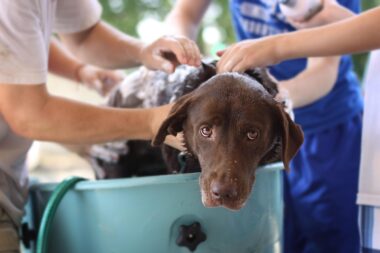
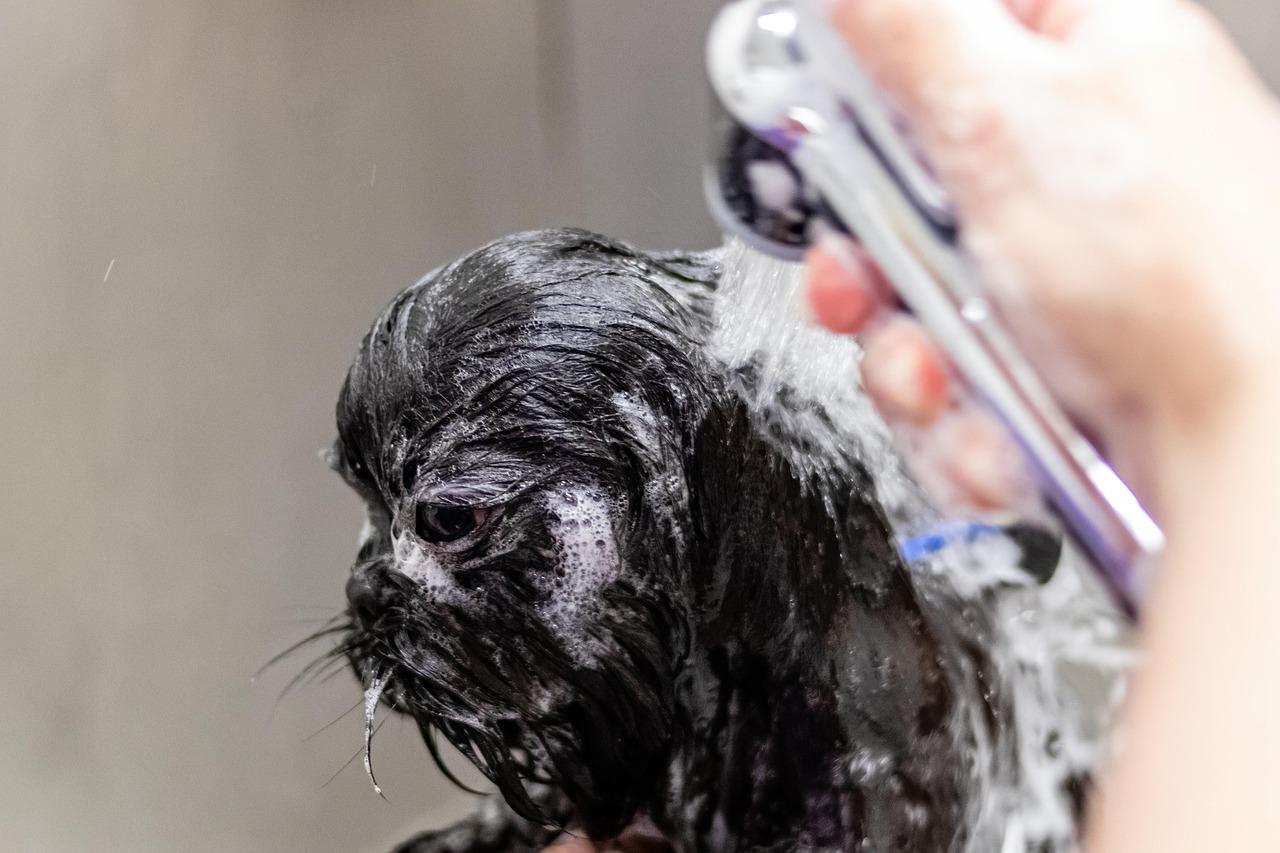
Mastering home grooming techniques will significantly enhance your indoor dog’s seasonal grooming routine. Keeping your dog’s environment familiar will help them feel comfortable and relaxed. When starting, gather all necessary tools such as brushes, combs, and pet-safe shampoos. Regular brushing builds familiarity and acceptance of the routine. Use a gentle approach and rewarding treats to encourage positive associations during grooming sessions. A scheduled routine helps them understand what to expect. During baths, ensure water temperature is suitable for your dog to prevent discomfort. Focus on one section at a time to provide a thorough cleaning. Use conditioners designed for dogs to maintain coat quality. After bathing, towel-dry them thoroughly, utilizing a pet-safe dryer if they’re comfortable with it. Take extra time to focus on their paws, ears, and nails. Each grooming session should include a check for parasites or skin issues, as prevention is key. Adjust the techniques based on your pet’s behavior and their coat type. By integrating these practices into your grooming routine, you’ll foster a healthier dog and a stronger bond each season.
In conclusion, grooming your indoor dog according to seasonal needs plays a significant role in their overall health. Each season presents unique challenges that require tailored approaches to grooming routines. Awareness of seasonal impacts can greatly enhance the quality of grooming. Your dog relies on you to provide care through changing weather. Therefore, commit to regular brushings, baths, and health checks. Keeping their coat clean and maintained is essential for their comfort during all times of the year. Additionally, seasonal grooming can prevent an array of issues and promote a healthy lifestyle. Prioritize investing in proper grooming tools that suit your dog’s individual needs as they can make a significant difference. Provide a loving and stress-free environment during grooming sessions to build trust. Remember, regular grooming is not just about appearance; it significantly contributes to your dog’s physical and emotional well-being. Embrace seasonal changes and adapt your grooming strategies accordingly. Your loyal companion will surely appreciate your efforts in maintaining a healthy and happy lifestyle year-round.