
Bathing Frequency Adjustments for Different Seasons
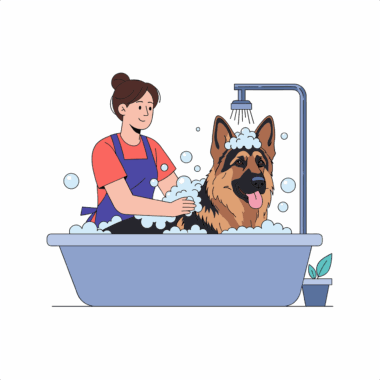
As dog owners, adjusting bathing frequency according to the seasons is essential for your furry friends. During winter months, dogs often need fewer baths. The dry air and cold temperatures can cause irritation to their skin if overbathed. Excess bathing may strip the natural oils from your dog’s coat and contribute to dryness. For many breeds, a bath every 4-6 weeks will suffice. Nonetheless, regular brushing is still crucial in winter to remove dead hair and prevent matting. In warmer months, increased outdoor activities mean your dog may need more frequent baths. The heat causes more sweating, and your pet might roll in dirt and mud. You might consider bathing your dog every 2-4 weeks. Keep in mind that some breeds with oily coats may require bathing every couple of weeks. Always pay attention to your dog’s individual needs and preferences. For instance, dogs that love swimming need consistent grooming. Additionally, consider your dog’s health and consult a vet if unsure about specific requirements. Proper grooming helps maintain your dog’s skin health and enhances your bond as a pet parent.
Seasonal changes can also affect the types of grooming products you should use. In winter, using moisturizing shampoos can help soothe your dog’s dry skin. Look for formulas containing natural oils, like oatmeal or coconut oil, which can hydrate and nourish the coat. After bathing, incorporate leave-in conditioners to add moisture back into the fur. Pay attention to drying methods as well; using a towel and a low heat dryer can be softer on the skin compared to air drying in cold temperatures. In contrast, summer grooming may require shampoos that are specifically designed to remove dirt, allergens, and odors. These products should be gentle and effective to keep your dog clean and fresh. Additionally, using a rinse during the summer can help eliminate the buildup of sweat, providing moisture relief. Be cautious about overusing deodorizing sprays, though, as they may trigger allergies. Testing shampoos prior to full baths can also help you find the best fit for your dog’s needs. Make grooming a part of your seasonal routine, not just bathing but brushing as well.
Adjusting Bathing Techniques
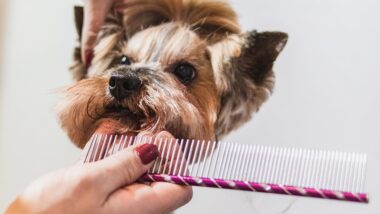
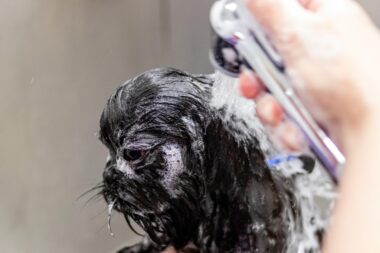
When adapting your bathing techniques according to each season, consider the dog’s coat type. Long-haired breeds, for example, tend to mat more in winter. To combat this, make sure to brush them thoroughly before and after baths, ensuring that their fur stays tangle-free. Using a detangling spray after bathing can also help. For short-haired animals, the focus should be on keeping their coats clean while ensuring moisture retention. Frequent brushing during spring shedding season is beneficial for reducing loose fur and allergens in your environment. Take care not to over-brush, which can irritate the skin. Additionally, using rubber gloves can help collect loose hairs better. Bathing indoors during the colder months is advisable, ensuring your dog’s comfort. Warm water is crucial, especially during winter months; however, ensure it is not too hot. Meanwhile, keep in mind the importance of rinsing thoroughly all the shampoo and conditioner out, as residue can cause skin problems. For a squeaky clean finish, consider using a gentle dog-safe soap after a muddy play session, especially in summer, to maintain overall hygiene.
Paying attention to your dog’s behavior can also guide your bathing frequency. If they are constantly rolling around in things during summer, they may require more baths to keep their coats fresh. Conversely, if your dog dislikes baths, consider providing more reasons to enjoy swimming areas during warmer months. Fun activities can make bathing time less stressful when it’s necessary. For many dogs, visiting a professional groomer can also make a world of difference. They can help you determine the best frequency and grooming products suited for your dog. This might be especially useful if you have a basement or outdoor washing station that becomes uncomfortable during colder months. Dogs usually respond to routines; thus, trying a scheduled bathing day might alleviate the stress for them while fostering a bond between you both. Establishing a predictable schedule can also help your dog look forward to bath time, particularly if it is associated with playtime afterward. As you adjust frequency, always reward your dog with positive reinforcements such as treats after a successful bath, ensuring a more pleasant experience.
Environmental Considerations
Be aware of environmental factors when determining your dog’s bathing schedule. During the humid summer months, your dog’s fur may trap heat and moisture, leading to skin regulation issues. Short-haired breeds thrive when kept clean, while long-haired breeds require careful handling to avoid heat stress. Increased pollen and allergens during spring might require more baths to soothe itchy skin. Bathing regularly can help remove allergens from their coat, reducing allergic reactions. Consider using a mild anti-itch shampoo for dogs during this season to relieve discomfort. When summer arrives, especially with heatwaves, consider bathing more frequently to alleviate heat strain. However, always ensure proper hydration, as frequent baths can lead to dryness if not followed by adequate moisture restoration. Bathing before a long walk on a hot day may prevent overheating and enhance cooling. Monitor your dog’s body temperature, and see signs of excessive discomfort. Depending on your dog’s activity level, not all breeds need to be bathed uniformly. Pay attention to such specifics while planning; adjusting your approach will undoubtedly lead to a happier, more comfortable dog.
During fall, shedding intensifies as pets prepare for winter, involving greater brushing needs. Frequent vacuuming proves beneficial in keeping the house hair-free. Be prepared to adjust styles once you notice seasonal transitions in your dog’s coat. Most importantly, maintain a keen eye for any skin reactions or unusual behaviors in your dog. Occasional bumps after bathing might indicate irritants in your shampoo or water acidity levels. If you notice skin redness or allergies, it’s wise to modify products you use. Always remember that each dog is unique and may react differently to seasonal changes. Consulting your vet is essential when altering your dog’s grooming routine, especially if the issues persist. If you suspect your dog has coat issues due to frequent baths, it is important to consult a professional. Lastly, be versatile! Seasonal changes can heavily influence dog grooming needs, from swim time to dry winters. Adaptability helps keep your dog happy and healthy, catering to their specific needs. Make use of technological advancements to learn more about your dog’s coat and overall grooming habits that resonate with them.
Conclusion
In conclusion, adjusting your dog’s bathing frequency is vital for their health in connection to seasonal changes. Always prioritize your dog’s coat type and their specific needs when deciding how often to bathe. Regular grooming, including brushing, is just as important as bathing, ensuring comfort and relaxation. Hydration and using the right products tailored to their needs will promote healthy skin year-round. Monitor for changes or issues involving their fur as the seasons shift, allowing for a tailored grooming plan. Recognizing signs of discomfort is crucial, and don’t hesitate to reach out to professionals. With proper planning, you can help your dog enjoy each season and maintain their hygiene effortlessly. Building schedules that include both fun activities and grooming rituals can make a world of difference in keeping your dog calm. A well-groomed dog is a happy dog! Ensure grooming remains enjoyable and stress-free for your furry friend in all seasons. With the right tips and consistent practice, your dog will be ready for any seasonal changes, shining bright and joyful all year long.
To sum it all up ….