
The Role of Routine in Minimizing Cat Reactiveness
Cats are creatures of habit, and establishing a routine can significantly reduce their reactiveness to environmental changes. When changes occur around a cat, such as moving furniture or redecorating, they can become anxious or reactive. Consistent feeding times, play sessions, and even grooming can create a sense of security in your pet. By incorporating regularity into their lives, cats are less likely to be startled by unexpected changes. Routine provides predictability, which is crucial for feline mental health. For instance, if a cat knows when to expect meals and play, they can better cope with unfamiliar stimuli. Environmental changes can be alarming for cats, leading to stress behaviors. Therefore, introducing routine is a critical strategy for cat parents. When faced with loud noises or new people, cats can retreat to established safe zones if they feel confident in their regular schedule. This predictability can help manage anxiety, reducing the likelihood of aggression or withdrawal. Consequently, maintaining a daily routine is an effective way to support a cat’s emotional well-being and manage behavioral issues that might arise due to stress.
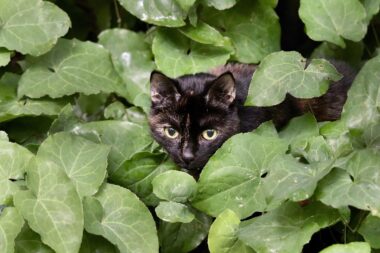
In addition to establishing feeding and play routines, providing comfort zones is equally important. Cats thrive when they have spaces they consider safe, especially in times of upheaval in their environment. These spaces can include cozy corners, high perches, and secluded hideaways where they can observe their surroundings from a safe distance. An ideal safe zone is often located away from high-traffic areas, offering peace during chaotic moments. Providing multiple hiding spots allows a cat to retreat when they feel overwhelmed by environmental changes. Moreover, incorporating familiar items such as blankets or toys into these areas can further enhance their comfort level. By creating environments that support their instincts to hide and observe, cats can better manage feelings of insecurity. It’s essential that they have accessible areas where they feel unrestricted, particularly during stressful times. As a result, encouraging the establishment of these spaces empowers cats to react less adversely to changes in their environment. In turn, this can decrease habits that stem from anxiety, making interaction and cohabitation more enjoyable for both the cat and the owner.
Environmental Enrichment as a Supportive Tool
Enriching a cat’s environment is another valuable aspect of helping them adjust to changes. Engaging their minds and bodies through various activities will not only alleviate boredom but also empower them with a sense of control. Introducing elements such as climbing trees, scratching posts, and interactive toys can foster a stimulating environment. Behavioral modifications often occur when a cat is occupied, making it beneficial during times of transition. Watching a cat play or explore can diminish their attention on unsettling changes occurring around them, promoting confidence. Additionally, using puzzle feeders can encourage cognitive engagement, directing their focus away from anxieties. Providing avenues for play and exploration creates a proactive environment instead of a reactive one. Some cats may prefer solitary enrichment, while others benefit from social play with humans or other pets. Therefore, understanding a cat’s unique preferences is essential in tailoring enrichment efforts. Creating innovative play opportunities can also stave off common behavior problems related to stress and boredom. By diversifying activity options and avenues for exploration, cat owners can help their pets develop resilience, leading to improved adaptability in the face of environmental changes.
Similarly, the introduction of calming products can further facilitate a bewitching atmosphere that encourages routine stability for anxious cats. Options such as pheromone diffusers, calming collars, and stress-reducing sprays can help set a tone of calmness within the home. These products mimic the natural calming pheromones that cats produce, reinforcing a sense of security in their environment. When used consistently alongside routine practices, the impact becomes even more significant. In times of environmental change, these calming agents work synergistically with established routines to create a safe haven for your feline friend. Moreover, some owners find success through herbal supplements or diet adjustments designed specifically for anxious cats. However, consultation with a veterinarian is recommended when considering such alternatives. Providing these aids gives cats the emotional support they need to navigate stressful situations. It’s crucial to remain conscious of each cat’s specific needs and unique reactions to different products. The provision of these aids alongside an effective routine not only eases their anxiety but enhances their overall quality of life, allowing for a smoother transition through changes.
Observing Cat Behavior for Better Adaptation
Attention to a cat’s behavior can also serve as an insightful guide in understanding their reactiveness to changes in the environment. Monitoring their responses during new situations provides valuable information. For instance, if a cat shows signs of stress, such as excessive grooming or hiding, it may indicate discomfort with the surroundings. Recognizing these responses early enables proactive intervention strategies, allowing owners to support their cat effectively. Additionally, noting patterns in behavior can help tailor routines to better suit an individual cat’s needs. The use of regular behavioral check-ins can promote stable emotional health. Documentation of their reactions to specific changes can provide clarity regarding what triggers their anxiety. By paying close attention, strategies may be adapted accordingly, whether through changes in routine or disruption management. Engaging with the cat using soft voices, gentle strokes, and reassurance can reinforce their sense of safety. This attentive approach builds trust between the pet and owner while also creating a nurturing atmosphere. Becoming more attuned to behavioral cues allows owners to provide the necessary support during transitions, effectively reducing stress reactions.
It’s also vital for cat owners to manage their own emotions and behaviors around their pets. Cats are incredibly perceptive and can often reflect their owners’ sentiments. If an owner is anxious over environmental changes, the cat may pick up on this energy and respond with heightened stress. Maintaining a calm demeanor during transitions can positively influence a cat’s behavior. Practicing deep breathing and self-soothing techniques can enable owners to present a reassuring presence during challenging times. Furthermore, allowing patience and gradual adjustment is necessary when inviting new elements into a cat’s life. Forcing adaptation can often backfire, leading to increased anxiety. Instead, presenting new objects or changes slowly can help a cat acclimate at their own pace. This gradual introduction technique mirrors the concept of routine, fostering the sense that while some aspects of life may be changing, others remain constant. Ultimately, taking responsibility for emotional states reflects a holistic approach to promoting a calmer and more resilient environment for cats. Pairing strategies focused on environment and routine leads to healthier and happier feline companions.
Conclusion: Nurturing Resilience Through Routine
Establishing and maintaining a routine serves as a cornerstone for minimizing a cat’s reactiveness to environmental changes. By observing their behaviors, creating comfort zones, and enriching their surroundings, pet owners can support their cats’ emotional health. Integration of calming products into daily rituals strengthens the effects of routine while creating a stable environment. The impact of observing and understanding these nuanced behaviors is invaluable in aiding cats through transitions. Additionally, the owners’ emotional state is equally significant, as their calmness can greatly influence their pet’s feelings. It cannot be overstated how crucial it is for owners to remain attentive, patient, and proactive in their support. Through a combination of these elements, cats can build resilience, offering them the ability to adjust more smoothly to inevitable changes. As the world around them shifts, they are reassured by the familiarity of their routines. This comprehensive approach ensures a safe, happy, and enriching environment for felines, encouraging well-being and reducing the likelihood of behavior problems associated with stress. Ultimately, both cats and their owners can thrive through such thoughtful practices.