
Essential Emergency Care Equipment for Dog Breeders
When it comes to dog breeding, ensuring the availability of emergency care equipment is crucial. Breeding dogs are often vulnerable to various health risks, particularly during pregnancy and whelping. Standard first aid kits should include items such as antiseptics, bandages, and gauze. Additionally, a thermometer is vital for monitoring temperature during labor. An electronic scale helps in weighing newborn pups to ensure they are gaining weight as expected. Furthermore, having a reliable source of hydration, like an electrolyte solution, can be essential for mothers who need replenishing. A suction bulb can help clear air passages in newborns, preventing aspiration. As well, a flashlight may aid in low-light situations, ensuring every pup is carefully checked during whelping. Emergency contacts for local veterinarians should always be on hand, as prompt medical intervention might be necessary. Creating a comprehensive kit can save lives and provide peace of mind for breeders. Many breeders travel with their dogs, making it essential to have gear that’s portable yet effective, ensuring rapid response in any emergency situation that may arise.
First Aid Essentials for Breeding Dogs
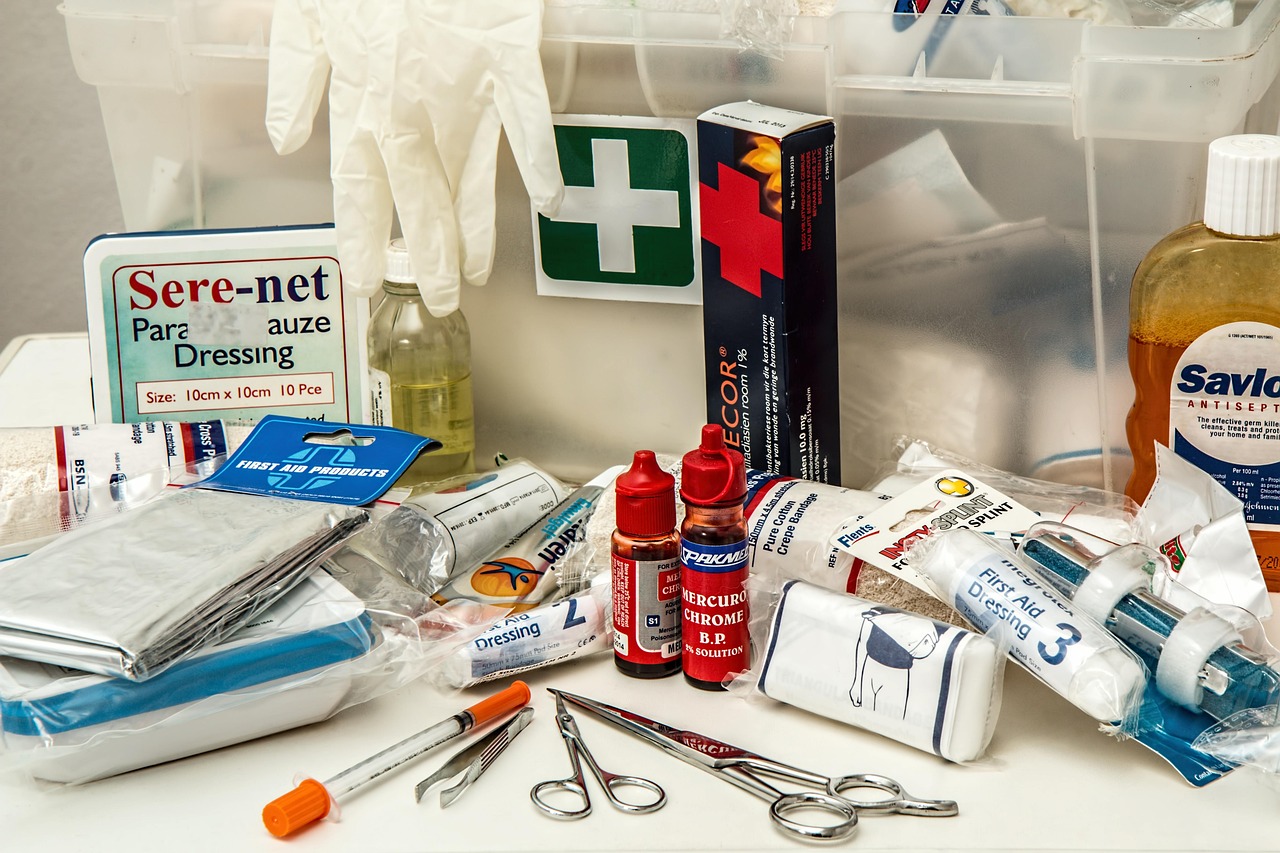
A comprehensive first aid kit is a must-have for any dog breeder. In addition to basic supplies, consider including a pair of tweezers for removing splinters or ticks, scissors for cutting bandages, and a muzzle for aggressive or anxious dogs in pain. Adhesive tape and cotton balls or swabs assist greatly in wound care. You might also need a styptic powder to stop bleeding in the event of minor cuts. A rectal thermometer is essential for checking the dog’s temperature to detect fever, while hydrogen peroxide can induce vomiting in specific poisoning cases under veterinary guidance. Antihistamines could also be included for allergic reactions. For bloat or other serious conditions, a leash and harness for rapid transport are crucial pieces of equipment. It’s advised to keep all these items organized in a waterproof box for accessibility. Regularly check supplies, replacing any out-of-date medications or items. Essential care requires being prepared, which means keeping your first aid kit stocked enhances your ability to act quickly and effectively when emergencies arise.
In the breeding environment, certain tools are essential for monitoring and attending to the mother and her newborns. A quality whelping box is vital, as it creates a safe space for the mother dog to give birth. Inside the box, keeping heat pads ensures warmth for tiny pups unable to regulate their body temperatures. A digital scale helps track the growth and weight of each puppy, confirming they are thriving. Puppy formula, supplemented by feeding bottles, can support orphaned pups needing extra care. New breeders should familiarize themselves with normal puppies’ behaviors to identify potential health concerns early. Having a notebook dedicated to documenting weights, feeding times, and any health concerns fosters informed discussions with veterinarians. A calming diffuser can also reduce stress for the mother during whelping. Adequate lighting in the birthing area is important for monitoring births without disturbing the mother. All of these tools create an environment that promotes healthy growth and minimizes risks. Providing a proper setting can lead to a successful breeding endeavor and contribute to the overall well-being of both mother and puppies.
Monitoring Equipment for Health Tracking
Monitoring the health of breeding dogs is critical, not only for immediate care but also for long-term health management. Consider obtaining an automated feeding system that dispenses food at intervals, ensuring mothers receive proper nutrition during lactation. This allows easier management of feeding schedules and can help reduce the risk of malnutrition. Portable medical equipment like blood pressure monitors and pulse oximeters can also assist breeders in assessing their dogs’ vitals regularly. Regular check-ups with a veterinarian are vital but having the ability to monitor basic health signs at home can save time and stress. A notebook or health app can generate records of vaccinations and treatments, offering a reference during vet visits. Additionally, investing in dog cameras can provide peace of mind; it allows breeders to observe mothers during whelping without intruding. Monitoring behaviors and health at home will empower breeders to act proactively. An adequate supply of preventative medications tailored to the breeding dog’s needs ensures you are prepared for health issues before they escalate.
After delivery, ensuring the puppies’ health is paramount. Essential equipment includes adequate bedding to keep the whelping area warm and clean, as puppies cannot regulate their body temperature effectively. A heat lamp, positioned at a safe distance, can provide the necessary warmth for newborns. Regular cleaning supplies, like enzymatic cleaners, are essential to maintain hygiene in the breeding environment. Recognizing and managing any signs of health issues, like abandonment or neglect, requires vigilance. It is prudent for breeders to educate themselves on normal puppy behavior and care. Vaccination records should be maintained and compared with veterinary advice on appropriate timings. A reliable calendar can help track important health milestones or reminders for vaccinations, ensuring compliance with health protocols. A microchip scanner may be necessary for breeders considering permanent identification for their pups. Breeders should also plan for emergencies by creating a quick-access list of important contact numbers, ensuring help is just a call away. Taking these steps not only promotes the health and safety of the dogs but also contributes positively to the standard of breeding practices.
Emergency Transport Tools
In emergency situations, having the proper transport tools can make a significant difference. An effective transport carrier ensures the safe, secure transportation of dogs needing urgent medical attention. These carriers should be sturdy and easy to maneuver, accommodating both adults and puppies comfortably. Additionally, knowing how to fasten with harnesses provides secure measures during transport. A dog first aid kit that fits conveniently in your vehicle should be readily accessible, loaded with basic supplies, including bandaging items or gauze for immediate response. In case of transport to the vet, consider a dog seatbelt specifically designed for safe travel. Certain emergency leakage-proof blankets can assist in providing warmth, should the need arise. A flashlight is also useful during nighttime emergencies, allowing visibility without startling the dog. Knowing local emergency veterinary services’ hours and contact details can prepare you for unforeseen incidents. Having a transport routine can help alleviate stress for the dogs during emergency travel, as familiarity often leads to calmer behavior, making a challenging situation more manageable. Preparedness is key to ensuring peace of mind for breeders in any circumstance.
Each piece of emergency care equipment plays a significant role in the overall well-being of breeding dogs. By investing time and resources into gathering the right supplies, breeders can effectively prepare for emergencies. Regular assessment and replenishment of first aid kits and other supplies foster a culture of preparedness. Challenges in breeding are a reality, but your readiness to address them with the appropriate equipment can make all the difference. Utilize technology to manage monitoring needs and keep track of health records. Developing a solid relationship with a trustworthy veterinarian will ensure that emergencies are met promptly and professionally. Further, attending workshops on canine health and emergency response are beneficial in broadening one’s knowledge. Always strive to stay updated with the latest in veterinary practices and health protocols, reflecting a commitment to responsible breeding. The ultimate goal is to nurture healthy, happy dogs in a safe environment, well-prepared for unforeseen circumstances. Cultivating an understanding of these needs strengthens the bond between breeder and dogs, ensuring both physical health and emotional well-being in breeding practices.