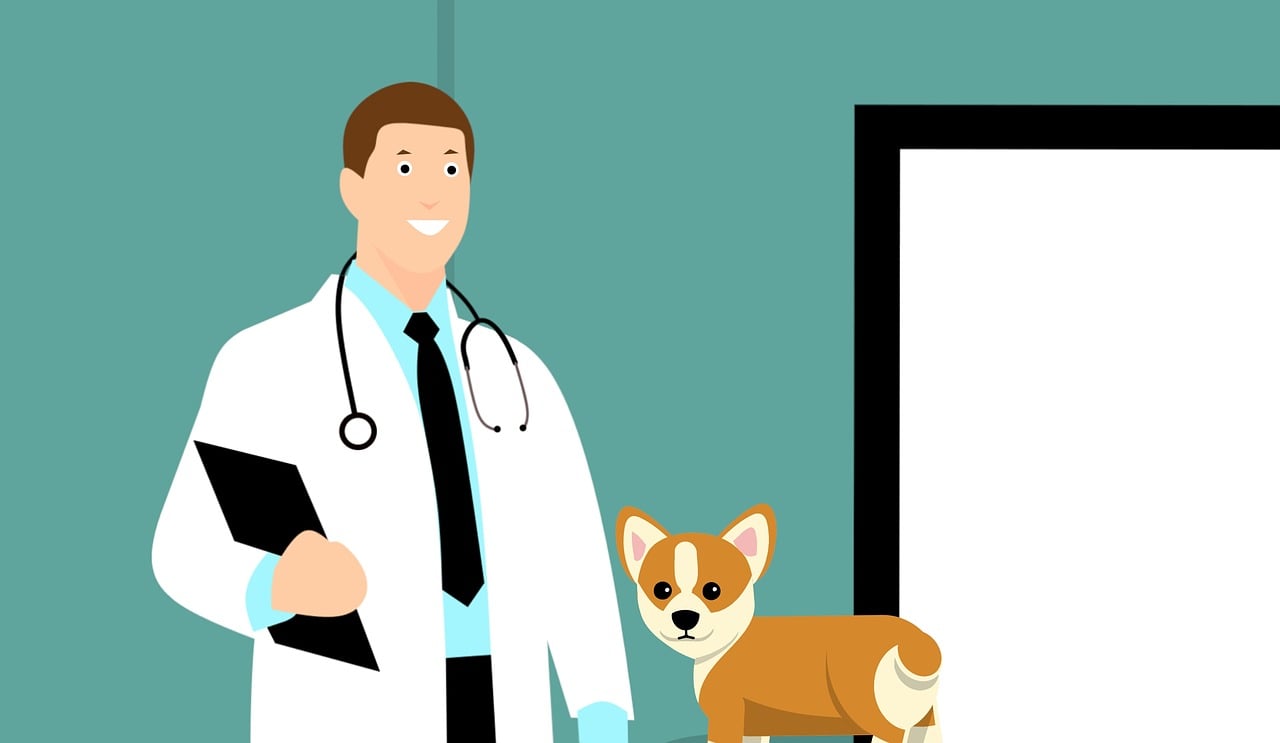

How to Handle Vet Anxiety in Puppies
Puppy care often includes many responsibilities, and one significant aspect is managing vet anxiety. It’s commonplace for puppies to feel anxious during their first visits to the veterinarian. Understanding this behavior can aid in helping your puppy adjust better. Initially, consider the atmosphere of the vet clinic. A welcoming and friendly environment can significantly reduce stress. You might want to visit the clinic beforehand to let your puppy explore the area without the pressure of an actual appointment. Bring along their favorite toy or blanket to create a sense of comfort. This can act as a familiar anchor amidst new sights and sounds. It’s also essential to schedule visits that allow the puppy to have a positive experience rather than just go for a routine check-up. Remember, your demeanor can influence your puppy’s mood. If you appear relaxed and confident, your puppy may mirror that energy. Additionally, preparing your puppy for the experience through training and socialization can lay the groundwork for a confident attitude during future vet visits.
Establishing a routine around vet visits can also be beneficial. Once your puppy becomes accustomed to the environment, consistency will help them associate it with regular activity rather than solely doctor visits. Consider planning a fun outing afterward to reinforce positive feelings linked to the veterinarian. During your puppy’s first few visits, have them sit on the scale or examine their feet while speaking calming words and providing treats. Rewarding positive behavior during the visit can build up a positive association. Additionally, choosing the right veterinarian is crucial. Look for a vet who specializes in puppies or has experience with behavioral training. A veterinarian who understands anxiety-related behaviors can provide tailored advice. Discuss any concerns with them regarding how to ease your puppy’s anxiety. Techniques like gradual desensitization may be recommended. This is a process that involves gradually exposing your puppy to the vet context before an actual visit occurs. This way, they can progressively adapt to the idea of going to the vet without feeling overwhelmed. Lastly, be patient; adjusting can take time.
Training Techniques to Reduce Anxiety
Implementing effective training techniques during your puppy’s early stages can yield long-term benefits for their vet anxiety. One valuable method is counter-conditioning, which involves changing your puppy’s emotional response. This can be achieved by pairing something they love with the vet experience. Start by visiting the vet’s office while just hanging out in the lobby without any procedures involved. Offer treats and affection during this time, allowing the puppy to relax. This helps them associate the environment with positive reinforcement instead of fear. Another important technique is desensitization. Gradually expose your puppy to various tools commonly used at the vet’s office, such as stethoscopes or syringes, at home. Let them sniff and investigate these items to normalize the experience. It’s essential to create positive associations. Find a friend or fellow pup owner who can assist with playdates at the vet clinic. Engaging in fun activities in the clinic increases positive feelings about the place. Remember to keep sessions short and enjoyable to ensure success. Celebrating small victories along the way boosts their confidence and helps them grow.
Additionally, your timing during visit days can make a difference in how the puppy copes with vet appointments. Avoid going in peak hours when the clinic is buzzing with noises and unfamiliar pets. The overload of stimuli may intensify your puppy’s anxiety. Opt for quieter times, ideally first thing in the morning or late in the afternoon. This also allows for a more personalized experience with the staff, eliminating rushed feelings. Similarly, consider scheduling appointments close to a time when your puppy usually feels calm and relaxed. Hydration and nutrition are equally crucial. Ensure your puppy is well-fed and hydrated before their appointment but avoid heavy meals right before to prevent nausea. Being proactive about their basic needs can reduce their discomfort and anxiety. If your puppy persists in exhibiting anxiety signs, don’t hesitate to consult with your vet about potential solutions. They might recommend products, like calming vests or pheromone diffusers, to ease the uncertainty during visits. Responding effectively to your puppy’s needs will strengthen the bond you share with your furry friend, enhancing their overall comfort and health.
Understanding Your Puppy’s Behavior
It’s vital to comprehend your puppy’s behavior to effectively address their anxiety around vet visits. Dogs communicate through body language, and recognizing these signs can help you gauge their emotional state. Common indicators of anxiety include excessive barking, trembling, or trying to escape. Additionally, some puppies may hide or refuse to interact when anxious. Keeping a keen observance of your puppy’s reactions during the visit can guide your response. Momentary pauses, sniffing the surroundings, or frequent yawning can signal discomfort or unease. While it’s easy to overlook these signs amid the hustle of life, paying attention can allow you to address the cause timely. Consider employing gentle positive reinforcement when they display calm behavior. This reinforcement may lead to your puppy associating the vet clinic with a comforting environment, further extinguishing anxiety. Moreover, maintaining a consistent routine can foster security. For example, ensuring that they enjoy plenty of outdoor time during the week can establish a calming cycle. The security of routine provides a sense of familiarity, which is pivotal during stressful situations like veterinary visits. Engaging puppies in various activities can create a well-adjusted pup who approaches new situations with curiosity rather than fear.
Exploring alternative therapies can also be considered to assist in managing your puppy’s vet anxiety. Options such as acupuncture or canine massage therapy can provide relaxation and alleviate stress through non-traditional methods. Additionally, aroma therapy using calming essential oils has proven effective for various pets. Furthermore, these alternative therapy approaches can be integrated with traditional vet care, enabling holistic support for your puppy’s emotional well-being. It’s also a great idea to engage with a professional dog trainer or behaviorist who takes an interest in your puppy’s welfare. They can help create a tailored approach based on your pet’s specific needs. Puppy training classes can be incredibly beneficial, instilling foundational obedience that empowers your puppy while simultaneously reinforcing your lead as a caretaker. Exercising on a leash, practicing commands, and ensuring your puppy responds positively can create a protective bond. This bond is invaluable, especially in stressful scenarios. The more confidence and trust your puppy feels in you, the better they will manage in varied situations. Finally, remember that establishing a positive relationship with the vet helps build reassurance during future visits, enriching your puppy’s experience.
Conclusion and Moving Forward
Ultimately, understanding and managing vet anxiety in puppies is a multifaceted approach. Individual care plans that address your puppy’s unique fears and needs can work wonders. The journey may not be straightforward; however, persistence yields results. Take the time to learn about your puppy’s specific anxiety triggers and build strategies around them. Every small step taken toward reducing their anxiety can significantly enhance their willingness to cooperate with veterinary care. Observing your puppy’s reactions, celebrating victories, and maintaining routine care sessions will help create a supportive environment. Additionally, keep communication lines open with your veterinarian while discussing your puppy’s anxiety issues. Their expertise can significantly contribute to your pup’s emotional and physical development. It’s also useful to network with other pet owners who have faced similar challenges. Sharing experiences can provide further insights and encouragement necessary for overcoming these hurdles. However, do not hesitate to reward yourself along the way. Managing anxiety requires patience, dedication, and love, both for you and your puppy. Ultimately, the goal is to foster a trusting relationship that allows for ongoing care and companionship.
Encouraging positive experiences during vet visits will undoubtedly strengthen the bond between you and your puppy. This bond is the cornerstone for their overall emotional health. Commit to taking these precautions seriously, and remember that gradual exposure and positive reinforcement can yield fruitful results in the long run. Each visit is an opportunity for growth and building resilience. By understanding your puppy and being proactive in their care, you contribute significantly to their happiness. Keep in mind that anxiety is a common challenge among puppies, but with time and effort, it can be managed effectively. Embrace the journey of growth together with your puppy as you move forward. There is joy to be found in overcoming challenges side by side. Never underestimate the power of patience, understanding, and love in helping a puppy cope with their fears. The dedication you show will not only help your furry companion become accustomed to vet visits but also lay the groundwork for a lifelong partnership filled with adventures and learning. Remain hopeful and dedicated, as every step taken brings you closer to a happy and healthy puppy who embraces the world around them.