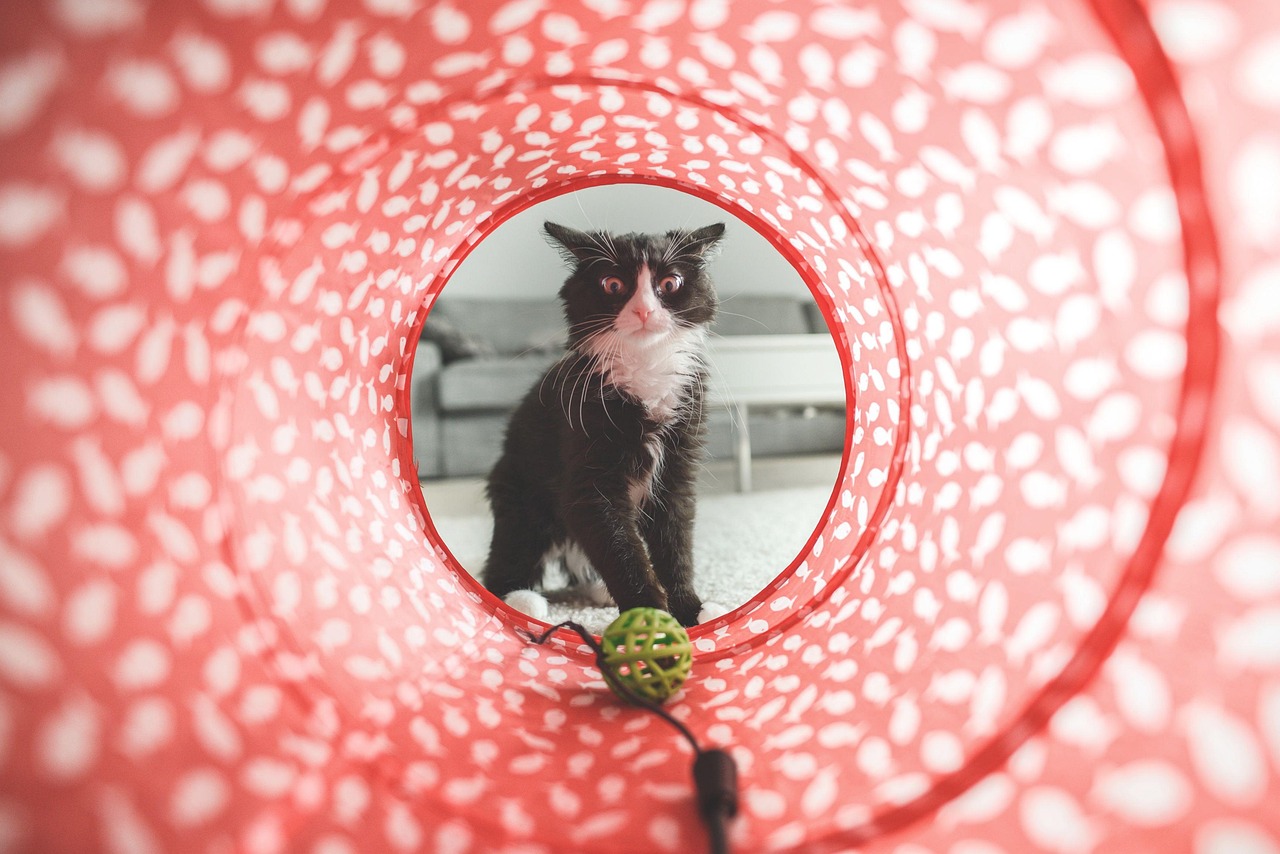

Understanding Cat Behavior Through Interactive Toy Commands
Understanding your cat’s behavior can significantly enhance your interactions and strengthen your bond. This is particularly true when using interactive toys designed to engage their instincts. Cats possess natural predatory behaviors that can be encouraged or redirected with the right commands in play. These toys are not just simple distractions; they serve as tools for mental stimulation and physical exercise. Interesting toys might include laser pointers, feather wands, or electronic mice that respond to your commands, allowing your cat to explore and enjoy their environment safely. When you call your cat to engage in play or to follow a toy, you are teaching important commands that can be beneficial in other situations. In addition, recognizing how your cat reacts to these toys illustrates its individual personality traits. Sometimes, they might show excitement, while at other times, they may remain indifferent. Paying attention to these reactions gives insights into their mood and behavioral tendencies. By utilizing interactive toys, you can observe and modify their reactions to improve their overall well-being and enrichment. Living with a cat should be fun, engaging, and rewarding for both the pet and its owner.
To maximize the benefits of interactive toys, you can develop a training routine that incorporates basic commands. Start by allowing your cat to familiarize itself with the toy. Once they show interest, use commands like “come” or “follow” to initiate play, which helps them associate these cues with positive reinforcement and engages their natural instincts. This not only keeps them stimulated but also aids in reinforcing your relationship with the pet. As they respond, reward them with treats or praise to further encourage this behavior. Utilizing this method will make playtime enjoyable and fulfilling for both you and your cat. Furthermore, observe your cat’s body language during these sessions. Signs such as an upright tail or playful pouncing indicate that they are engaged and enjoying themselves. Understanding these signals is essential to gauge whether you’re effectively communicating commands. You can switch toys to maintain their interest, keeping your pet curious and engaged. Varied interactions can stimulate their minds and physical faculties, which are crucial for a healthy lifestyle. Regular playtime also helps in preventing behavioral issues that arise from boredom and can promote better socialization with both humans and other pets.
Encouraging Active Play through Commands
Incorporating commands into your cat’s play routine can help encourage active play and make them more responsive. Cats love to chase and stalk, and when commands direct their movement toward a toy, they engage with their natural hunting instincts. Each successful interaction reinforces their desire to play on cue, which can be incredibly rewarding for both cat and owner. Gradually teach them how to respond not only to physical cues but also to vocal commands that prompt action. Incorporate soft tones and enthusiastic phrases to catch their attention. This method is very similar to training dogs but tailored to fit the unique personalities of cats. For some cats, using sound cues, such as clicking or ringing bells, can be beneficial as they relate these sounds to fun activities. Always ensure the commands are clear and consistent so that your pet can learn effectively. Training sessions should remain light and fun, ensuring they don’t feel pressured. Consider using clicker training methods too; they can be quite effective in assuring your cat learns positive associations. With patience and practice, you will see your cat eagerly respond to your requests for interactive play.
To maintain your cat’s active and playful spirit, choosing the right toys is essential. Different cats have varying preferences, so observing your feline’s likes and dislikes is crucial. You can opt for feather toys, balls that make noise, or even toys that mimic small animals to entice them. Interactive toys provide an opportunity for your cat to solve problems and exercise their brain, which is why it’s important to rotate the toys periodically. This strategy prevents boredom and keeps the playtime fresh and exciting. Creating an enriching environment is vital for your cat’s happiness and health. Be sure to observe how they interact with each toy to identify their favorites so that you can focus on those that encourage active play. For example, some cats may prefer toys that they can chase, while others may be thrilled by puzzle-solving activities. Consider adding some climbing structures or hiding spots where the toys can be integrated. This allows your cat to engage in more complex play that fosters their natural instincts and encourages them to expend energy, enhancing both their physical condition and mental alertness for a happier, healthier pet.
Understanding Social Interactions Through Toys
Interactive toys can also facilitate social interactions between you and your cat, promoting a deeper bond. Engaging in play not only entertains your pet but provides opportunities for communication and emotional connection. As you interact with your cat and command them through various activities, they learn to trust you and develop affection. This encourages cats to see you as a companion and not merely as an authority figure. For a more dynamic playtime, consider using multiple toys that allow for collaborative interactions, where both you and your pet work together to complete a challenge. This can strengthen social skills and build trust in different ways. Toys that challenge them to think—such as treat-dispensing puzzles—can be particularly beneficial as they blend problem-solving with a reward system. Additionally, monitoring your cat’s reactions to different play scenarios provides valuable insights into social dynamics. Are they independent or prefer your involvement? Understanding their personality will help you guide the play sessions to suit their behavioral traits. Cultivating a play environment that meets their needs can foster a joyful and gratifying relationship, further enhancing the quality of life for your feline friend.
Consistency in the training commands you use is another key factor in developing a successful routine. When utilizing interactive toys, make sure to stick with a specific set of commands across different sessions. Familiarity will enable your cat to respond more quickly and appropriately to the commands related to their toys. Repetition is essential for solidifying connection and response. Moreover, try linking different toys with unique commands to differentiate actions for your cat, cultivating versatile play. As your cat starts decoding the commands after repeated exposure, they will begin to recognize which action is prompted by which toy. This level of comprehension can be quite impressive and encourages further interactions. Patience is fundamental in this process, as the learning pace will vary depending on your cat’s personality. Celebrate each small achievement they make because it builds their confidence. A positive and low-pressure environment is a recipe for effective learning. Dedicated play sessions help your pet identify suitable behaviors while teaching them enjoyable discipline. Ultimately, your cat’s ability to respond consistently can contribute positively to daily routines and enhance their overall sense of security in your home environment.
Creating a Lasting Bond with Your Cat
Establishing a strong connection with your cat through interactive play requires time, dedication, and patience. Commands that are gently reinforced during play can create a deep-seated trust that allows your cat to feel safe and secure in your presence. Choosing toys that stimulate their interest is vital, and observing their preferences aids in creating a personalized experience. Every cat has distinct behavior patterns, and taking the time to study these can yield valuable insights into their needs and desires. Beyond just play, these commands help create routine and predictability in their lives, which contributes to emotional well-being. Regular engagement ensures that they don’t feel isolated or bored, which can lead to behavioral problems. By evolving the complexity of the commands and integrating new toys, the playful interactions remain alive and entertaining, further cementing your bond. Also, sharing joyful moments during play can enhance communication between you two. It is vital to ensure that your cat feels comfortable during playtime, so keep an eye on their stress signals or overexcitement. Building this connection through consistent interactions will improve your cat’s overall happiness and lead to a deeply rewarding relationship.
Playtime can stimulate all the senses, which is fundamental for your cat’s development and well-being. By incorporating interactive toys into their play session, you can harness their natural instincts and instincts through commands, allowing them to express themselves. Cats will respond uniquely based on their surroundings and experiences, so each experience can vary greatly. Using commands is a simple yet effective tool for encouraging desired reactions; this leads to more fulfilling interactions. For additional enrichment, consider broadening your variety of games during play sessions to keep their interest piqued and add more value to the engagement. Interactive play can reduce anxiety, improve social behaviors, and create a more harmonious relationship between you and your cat. As you experiment with different commands and toys, you will discover what best resonates with your pet. Make note of their reactions and adapt your methods accordingly. A happy, engaged cat is likely to showcase their affectionate side, prompting a rewarding experience for both of you. At the end of the day, the goal is to foster mutual enjoyment and trust through dedicated time spent together while enhancing their behavior and experiences.