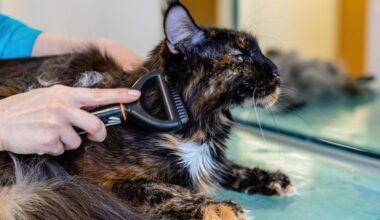

How to Foster Orphaned Kittens Successfully
Fostering orphaned kittens is a rewarding journey but it also comes with challenges and responsibilities. It’s crucial to prepare your home adequately before bringing these vulnerable creatures in. Create a safe space where they can feel at ease, avoid crowded areas, and limit exposure to loud noises. Ensure that the environment is warm and secure from drafts. Consider using a small room with a soft bed, litter box, and fresh water. Additionally, discuss with your veterinarian about necessary vaccinations and health checks before adoption. Supplies such as kitten formula, bottles, and nursing kits are also essential for their proper care. Understanding their needs helps promote healthy growth and development. Always stay alert for any signs of illness, including lethargy, lack of appetite, or unusual behaviors. When you spot these issues, seek veterinary assistance immediately. It’s important to provide them with love and stability, essential for their emotional well-being. Furthermore, document their progress to report to the rescue organization, which can be super helpful in their adoption process. Enthusiasm and compassion go a long way in making a positive difference for these tiny lives.
Once your initial preparations are in place, it’s time to focus on nutrition and feeding schedules. Kittens under four weeks require frequent feedings. Use a kitten milk replacement formula specifically designed for their sensitive stomachs. Avoid using cow’s milk, as this can upset their digestive systems. Feed them every two to four hours using a specialized bottle and nipple. Gradually introduce wet kitten food as they approach four weeks of age to help them transition to solid food. Maintain a consistent feeding routine to provide structure and security. As they grow, monitor their weight regularly to ensure they are gaining at a healthy rate. The target is about ten grams of weight gain per day for healthy kittens. Always keep their feeding area clean to avoid contamination when they start eating solid food. It’s also vital to provide fresh water at all times, especially as they start to eat dry kibble. Understanding their nutritional needs contributes significantly to their growth and health, as these early weeks are critical in shaping their lives. A well-nourished kitten will thrive and be a joy to foster.”
Socialization Strategies for Kittens
Socializing kittens is a vital component of their development and overall well-being. Introduce them gradually to various sounds, sights, and textures within your home. This exposure helps them adapt better once they are ready for adoption. Each kitten has a unique personality; therefore, observe their responses and tailor your approach accordingly. Spend time engaging with them through play, using soft toys, strings, or even laser pointers. Playtime not only entertains but also builds their confidence and teaches desirable behaviors. Gently handle them daily to get them used to human contact. This should include being picked up, stroked, and cuddled, which helps them become affectionate and friendly. Remember to keep sessions short and positive, allowing them to dictate the pace. Socialization with other pets must be managed carefully to avoid overwhelming the kittens. Familiarize them with gentle, well-behaved dogs or cats after a few initial handling sessions. Patience and positivity are essential; take each step slowly to ensure they develop into well-adjusted, loving companions. A well-socialized kitten will be easier to adopt out to loving families who can appreciate their personalities.
Monitoring the kittens’ health is a crucial aspect of fostering. As their caretaker, you should be observant of any signs indicating potential illnesses or distress. Regularly check their weight, and body condition, and monitor their overall behavior. Kittens should be playful and curious; any signs of lethargy or refusal to eat can be concerning. Establish a relationship with a vet who specializes in feline health; their guidance can be invaluable. Schedule health check-ups and vaccinations as recommended. Discuss spaying or neutering with your veterinarian to prevent overpopulation and ensure healthy adult cats. Parasite control is also essential; inquire about flea and worm treatments suitable for kittens. Creating a health diary to keep track of each kitten’s vaccinations, weight checks, and veterinary visits can help manage their care effectively. Moreover, understanding the importance of early detection will enable prompt intervention if they do become ill. With your attention to their health needs, the kittens will grow stronger and thrive in your care, preparing them for their forever homes.”
Creating a Comfortable Living Space
The environment where your foster kittens grow is equally important as their physical care. A comfortable living space can significantly enhance their development and happiness. Start by providing safe, warm bedding made from soft materials where they can snuggle together. It builds a sense of security, mimicking the warmth they would feel with their mother. Incorporate cozy hiding spots using boxes or cat trees to encourage exploration and play. Ensuring a clean and hygienic environment is vital. Regularly clean the litter box and remove waste to prevent diseases. Kittens love to climb and explore, so it’s beneficial to have vertical spaces and tunnels for them to conquer. Interactive toys can stimulate their minds and engage them in physical activity, which is essential for their development. Consider adding scratching posts to help them develop their claws and keep them from destroying furniture. When they reach the playful stage, rotating different toys daily can keep them entertained. Providing a variety of enrichments will not only keep kittens happy but also promote their physical and mental growth, setting them up for success.
Once the kittens are healthy and well-adjusted, you’ll need to think about the adoption process. Collaborating with a rescue group will streamline the placement of these lovable pets in forever homes. Document their traits, personalities, and any unique behaviours that make them stand out. This information can help potential adopters find the perfect match. Create appealing profiles for each kitten, showcasing their adorable photos and endearing qualities. Social media is a powerful tool for spreading the word; share their journey and experiences on platforms to attract interested families. Regularly update the rescue organization about the kittens’ developments, including how they interact with each other and their humans. Hosting adoption events can enhance visibility and allow potential adopters to meet the kittens in a friendly setting. Be prepared for possible questions about their care requirements and personality traits. A good fit between the kitten and the adopter is vital for a successful adoption, ensuring that each kitten finds a loving, suitable home. Your efforts in fostering can play a significant role in their futures and bring joy to many families.
Preparing for the Future Beyond Fostering
After a fulfilling fostering experience, it’s essential to prepare for what comes next. Taking a moment to reflect on your time fostering will help you acknowledge the emotional challenges and victories encountered along the way. Remember that each kitten you shelter has the potential to become a cherished companion, and your contributions have positively impacted their lives. If possible, continue your relationship with the rescue group and explore further opportunities in fostering. Consider extending your support by assisting with training for new foster parents, sharing insights about kitten care, or volunteering at adoption events. Your experience can guide others in seeking to help animals in need. Moreover, develop a support network with other fosters to exchange ideas, provide emotional support, and celebrate successes together. Choosing to foster kittens is a noble cause, fostering a compassionate approach toward animal welfare. Ultimately, understanding the importance of building a community strengthens the mission of rescuing more animals. It is a chance to create lasting bonds with these amazing creatures while paving the way for a hopeful future.
In conclusion, fostering orphaned kittens is a beautiful journey rich with responsibilities, joys, and bonding experiences. It stretches beyond providing food and shelter, and reaches into nurturing their emotional well-being. Through each step, from proper health monitoring to creating an enriching environment, every effort ensures these kittens are prepared for their future. Engaging in positive socialization not only prepares them for successful adoptions but creates happier cats that thrive. Your commitment can shape their lives and open doors for their forever homes. The impact of foster care is profound, and every small act contributes to greater achievements in animal welfare efforts. Encouraging others to consider fostering and volunteering builds a larger community dedicated to animal rescue. Working side by side, we can highlight the importance of every effort, no matter how small, in contributing to animal welfare. Always remember that your dedication can spark change, turning vulnerable lives into thriving pets. Celebrate the joy you’ve brought into their lives, even as you prepare to say goodbye. Each placement leads to a future full of love, joy, and companionship for both kittens and adopting families.