
Building Trust Between Your Dog and the Photographer
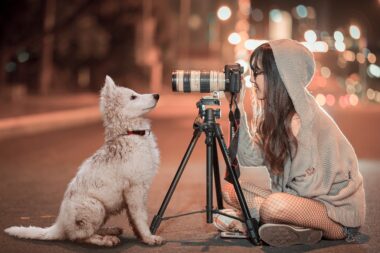
Developing trust between your dog and the photographer is crucial for a successful photo session. If your dog feels comfortable and at ease, capturing great shots becomes easier. Begin by choosing a photographer experienced in working with dogs. They can create a relaxed environment, which is essential. First, let your dog meet the photographer in a neutral space, free from distractions. This helps reduce anxiety and associate the photographer with positive experiences. During this meeting, allow the dog to sniff and explore, which builds a connection. Bring your dog’s favorite toys and treats to the session; these can encourage positive interactions. The photographer should spend time engaging with your dog before taking any photos, allowing them to establish a rapport. Consider conducting a short pre-session walk where your dog can play and interact with the photographer. This bond will be reflected in the photos and can showcase your dog’s personality beautifully! During the actual session, remain calm as your emotions can influence your dog’s behavior. Ultimately, patience and understanding will go a long way in achieving stunning pet photography.
Another important aspect of building trust is to ensure that your dog feels secure during the shoot. Make sure to choose a familiar location that your dog enjoys. This can significantly reduce stress and anxiety levels. If your dog has a favorite park, beach, or backyard, consider scheduling the photo session there. The environment should be fun and engaging for your pet. Also, remember to be present with your dog; your calm demeanor will help them to feel relaxed. Avoid raising your voice or expressing frustration, as dogs can sense tension easily. Additionally, keep the photo session short and sweet, particularly if your dog is not used to being in front of the camera. Too long of a session can lead to boredom or anxiety, which can affect the quality of photos. A good photographer will recognize the signs of distress quickly and adjust accordingly, taking breaks as necessary to keep your pet happy. Staying attentive to your dog’s body language will help to ensure the session remains enjoyable. By prioritizing your dog’s comfort, you foster trust, resulting in captivating photographs.
Creating a Positive Experience
Creating a positive experience for your dog during a photography session is essential for capturing stunning images. One method to achieve this is to incorporate plenty of playtime into the session. A few minutes of play with your dog’s favorite toy can uplift their mood and alleviate potential stress. Well-timed breaks during the shoot can reinvigorate your dog, allowing them to return to the camera with enthusiasm. Encourage the photographer to use treats and toys to engage with your pet, helping to keep their attention focused. Consider setting up a mini-agility course or bringing interactive toys along to make it more engaging. This playful approach will not only keep your dog entertained but also create beautiful candid moments. Moreover, ensuring that the photographer’s approach is gentle and patient can help your dog feel more at ease in front of the lens. Positive reinforcement, like treats or praise, reinforces desirable behaviors too. By intertwining fun the photographer holds more than one role—helping with direction and engagement, enhancing the session and ensuring everyone has a great time together.
Understanding your dog’s unique personality is another vital aspect of developing trust with the photographer. Each dog has individual quirks and traits that can be beneficial or challenging during a photography session. By sharing specific characteristics with the photographer, they can tailor their approach accordingly. If your dog is shy or nervous around new people, communicate this in advance. A photographer experienced with pets will adapt the session based on these insights. They might use softer voices or even sit on the ground to appear less intimidating, ensuring a comfortable interaction. On the other hand, if your dog is highly energetic and playful, the photographer can incorporate that energy into the shoot. Knowing when to capture candid moments versus when to pose formally requires skill and an understanding of your dog’s temperament. Thus, being open about your dog’s personality fosters a smoother experience. Taking visual notes during this meeting can also be useful. Observing your dog’s reactions to various interactions can help guide the session tailored for unique expression, allowing for more authentic captures to be created.
Trust-building Exercises
Engaging in trust-building exercises can significantly enhance the relationship between your dog and the photographer. One effective exercise is the ‘Look at That’ game. Have the photographer offer treats while together, encouraging your dog to approach and focus on them. This simple task reinforces positive association with the photographer and creates a fun bonding experience. Another exercise involves practicing sitting and staying poses prior to the session. If your dog can sit calmly, it’ll help in getting beautiful portraits. This also builds confidence, as your dog learns that listening and staying near you results in rewards. Consistently rewarding your dog can lead to more relaxed behavior during the shoot. Incorporate brief training sessions that are playful and involve lots of encouragement from you! Furthermore, allow the photographer to engage with the dog during training moments, facilitating trust directly. As your dog understands what to expect from both you and the photographer, they’ll be more open and willing to cooperate. Ultimately, this kind of bonding will lead to a more successful photo session with natural and stunning results.
The timing of your photogenic process can affect your dog’s mood and willingness. Scheduling sessions during the dog’s most energetic times can work in your favor. After morning walks or just after mealtime often leads to happier and more engaged dogs. Additionally, considering the time of day is essential; natural lighting will greatly enhance the overall quality of photographs, so early morning hours or late afternoons are ideal. Be attentive to the weather conditions—extreme heat or cold can severely influence your dog’s attitude. Planning allows for an adaptable approach; if distractions arise, shifting locations or changing settings can be done accordingly. Ensure that the photographer is well-versed in adjusting settings for various lighting situations. Taking beautiful photos in different contexts can lead to stunning outdoor captures. Think of your dog’s preferences and behaviors during different climates too. A stressed dog can lead to poor photo outcomes. So consider having a backup plan that includes different locations or even different poses or setups if necessary. Adapting to the scenario is key to capturing the magical moments you desire.
Post-Session Bonding
Post-session bonding is crucial for reinforcing that positive experience your dog had with the photographer. After the shoot, establish a rewarding atmosphere for your dog. Taking the time to engage in a fun activity, such as a game of fetch or a relaxing walk, helps to conclude the session positively. Take turns affectionately giving your dog treats or praise for their cooperation during the session, reinforcing that their behavior was commendable. This also helps to reaffirm the bond they developed with the photographer. Share some of your photographs from the session immediately; show how wonderful their efforts were during the shoot. The way dogs internalize their experiences through enthusiasm afterward will solidify trust and encourage collaboration in future sessions. Always provide time for your dog to process the experience. Allowing them to relax, sniff around, or even explore some additional treats reinforces comfort. The more positive associations your dog builds with future photography sessions, the better their experience will be overall. Gradually, they will learn to cooperate and trust while allowing memories to be captured beautifully by the photographer.
In conclusion, building trust between your dog and the photographer is paramount for achieving beautiful photographs. Through effective engagement, creating a comfortable environment, and employing trust-building techniques, you help forge a connection that lasts. Proper planning leads to a joyful experience for both the dog and the photographer. Lastly, remember to celebrate the beautiful results by sharing the lovely photographs with friends and family. It’s important to remember that with every session, you contribute to further establishing trust and understanding between your dog, yourself, and the photographer. Your dog’s comfort and happiness play a huge role in how great the final images turn out. Be patient, and focus on the little moments that matter. By incorporating these techniques, you set the stage for magical captures! Embrace each session not just as a chance for great pictures but as an opportunity to strengthen that bond deeper. Every memory counts, and every moment is an opportunity to create beautiful images that reflect your dog’s personality. From playful antics to serene poses, the delight in photography lies in the connection between you, your dog, and the photographer.