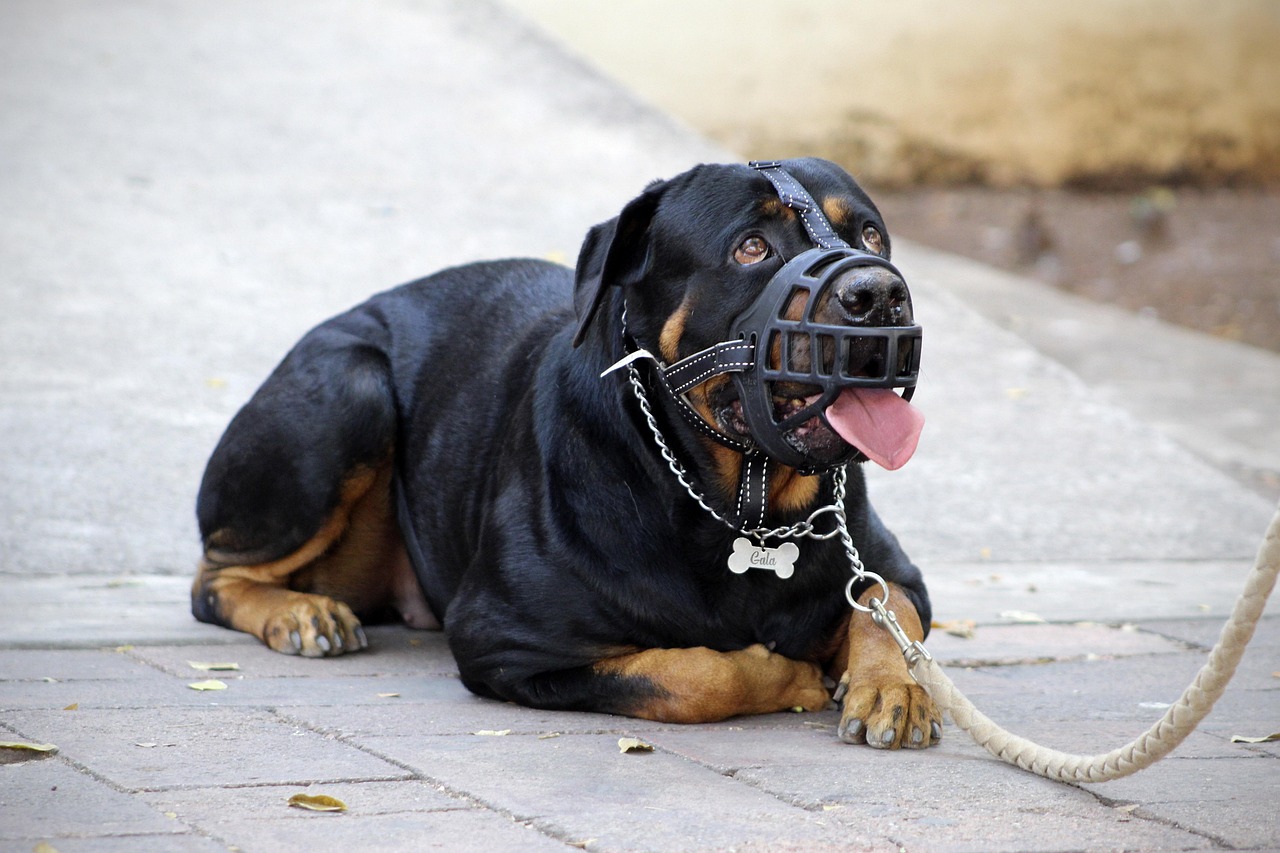

What to Do If Your Dog Resists Wearing a Muzzle
Getting your dog accustomed to wearing a muzzle can be challenging, especially if they resist at first. It’s crucial to approach this process with patience and positive reinforcement. Start by selecting a muzzle that fits your dog comfortably, ensuring it’s not too tight or loose. You might consider using a basket muzzle for safety while allowing your dog to breathe easily. Before introducing the muzzle, let your dog explore it by allowing them to sniff it. You can make this more engaging by placing a treat inside the muzzle, enticing them to interact with it. Gradually, once your dog appears more comfortable, begin associating the muzzle with positive experiences. Each time your dog shows interest in the muzzle, reward them with praise or small treats. Make it a part of their play or training routine until they begin to wear it casually. If your dog continues to resist the muzzle, do not force it. Instead, take a break and try again once they’ve calmed down. Understanding your dog’s behavior and ensuring they feel safe is paramount in making the muzzle a less daunting object.
There are several techniques you can utilize to help your dog become more accepting of the muzzle. One effective method is desensitization, which involves gradually introducing your dog to the muzzle over time. Start by presenting the muzzle during calm moments, like when you’re relaxing together. Having the muzzle in view without pressure allows your dog to become accustomed to its presence. Reward any calm behavior near the muzzle to reinforce positive associations. Additionally, you can work on conditioning; this is where you pair the muzzle with something enjoyable. For example, placing a special treat or toy inside the muzzle can encourage your dog to put their snout in. Make sure that these sessions are short and filled with encouragement. If your dog seems anxious, take a step back and reduce the environment’s stress. Instead of expecting your dog to wear the muzzle for long periods immediately, start with just a few seconds and gradually increase the duration as they become more comfortable. Monitoring your dog’s comfort level regarding training is essential; stopping if they show signs of fear or discomfort is vital for their well-being.
Demonstrating confidence is key while training and getting your dog used to the muzzle. Dogs are highly intuitive and can sense nervousness, which might reinforce their fear. Speak gently to them and maintain a relaxed tone throughout the process. Share moments of positive interaction when the muzzle is around. Make sure to practice in a familiar environment before heading to places where your dog may become stressed. Consistency is crucial in your efforts; continue to reward your dog during each training session. Use verbal encouragement coupled with treats to reinforce desired behaviors. Keeping training sessions short, fun, and engaging will create a more positive experience for your dog. When introducing a muzzle, do it in a calm and non-pressuring way. You might consider teaching them basic commands like sit or stay while wearing their muzzle. This can help create a positive outlet, associating their muzzle with obedient behavior. Avoid yelling or physical discipline as this may enhance fear or distrust. Instead, use calming techniques like gentle petting or relaxation exercises if your dog appears stressed, minimizing anxiety during the process of acclimatizing them to the muzzle.
In some cases, your dog may resist wearing a muzzle due to past traumatic experiences. If your dog has previously experienced a negative encounter involving a muzzle, they might associate it with fear. As an owner, it is essential to remain observant and sensitive to their past experiences while training. If you suspect that your dog may have had adverse experiences, take extra time to build a safe and trustworthy relationship with the muzzle. Start with calming exercises or increase playtime to boost their confidence before introducing the muzzle for the first time as a preventive measure. Additionally, consider consulting a professional dog trainer or behaviorist if resistance continues. They can provide specific insight into your dog’s behavior and assist you further. Utilizing professional help can often make a significant difference; an expert can guide you through techniques that align best with your dog’s personality. Ensure that you communicate any concerns or fears your dog exhibits to your trainer for more personalized support. Engaging both forces—your loving relationship and professional guidance—can often lead to improved behavior and acceptance of muzzle wear.
It’s important to remember the different types of muzzles available, each serving varied purposes. Offering a muzzle designed specifically for the situation can help ease your dog’s resistance. For instance, a fabric muzzle may be appropriate during vet visits when restrictions are necessary, while a basket muzzle allows for drinking and panting during outings. Once you’ve determined the best option, carefully introduce this type of muzzle in a gentle manner. Always check if the muzzle fits comfortably; it should not cause discomfort or restrict breathing. After ensuring a proper fit, allow your dog to wear the muzzle in low-stress environments like your home. Supervise them closely to reassure that they feel secure. You can even engage in regular indoor play while the muzzle is on if they seem relaxed. Additionally, practicing ‘leaving it’ and ‘take it’ commands can offer valuable skills while wearing a muzzle. Gradually increasing the duration helps form the positive connection of wearing a muzzle during positive play. Instead of seeing it as a restriction, your dog might start viewing it as part of their happy, everyday adventures.
Always prioritize safety and health when training your dog to accept a muzzle. Make sure to monitor your dog’s reactions closely. If they become anxious or agitated while wearing the muzzle, be sure to remove it immediately and take a step back to reintroduce it later. Patience and understanding will be essential to this process. Consider incorporating various elements that may distract your dog positively during the training sessions, such as toys or familiar people. Engaging your dog mentally while wearing the muzzle can ease any uncomfortable feelings. When first starting the training sessions, you may want to implement a soft, relaxing voice. Relaxation is vital in building their trust. Talking to your dog while they wear the muzzle helps them associate the experience with comfort. After consistently utilizing the muzzle without distress, you can gradually transition the sessions to situations outside your home, ensuring that the muzzle remains a positive part of your dog’s life. The goal is for your dog to not only accept the muzzle but feel comfortable while wearing it. Ultimately, hosting positive experiences enables happier dogs and their owners.
Celebrating small victories when training your dog to wear a muzzle can significantly impact your journey. Making training sessions enjoyable for both you and your dog can create an enriching experience. Each time your dog approaches or allows you to place the muzzle on them, shower them with praise and treats. Maintain a calendar tracking their progress, as this can boost your motivation and give you an idea of how your dog is improving. Always ensure that the process is gradual—pushing your dog too hard can lead to setbacks. Remember to consider your dog’s unique learning style; some dogs may respond better to a slow-paced training regimen, while others thrive on quick sessions followed by playtime. By recognizing these patterns, you can tailor your approach to suit their needs. When worn successfully, celebratory actions like a fun play session or extra cozy time together can reinforce the idea that wearing a muzzle need not be an overwhelming experience. The more positively charged their association is with the muzzle, the more likely they will wear it confidently in everyday situations. Every little step forward merits recognition and helps build confidence.