
Dealing with Heat Stroke in Breeding Dogs: Prevention and Treatment
Heat stroke is a serious condition that affects breeding dogs, especially during warmer seasons. When dogs overheat, their body temperatures can reach dangerous levels, leading to severe health risks. Breeding dogs are particularly susceptible due to their physical exertion and hormonal changes. It’s crucial for dog breeders to be vigilant and take necessary precautions that can prevent heat stroke. Awareness of the symptoms, preventive measures, and timely treatment are key factors that every responsible breeder should prioritize. If left untreated, heat-related illnesses can result in kidney failure, brain damage, or even death. Prevention strategies involve proper shelter, access to shade and water, scheduling breeding activities during cooler hours, and avoiding excessive exercise on hot days. By being proactive, dog breeders can significantly reduce the chances of heat stroke occurring in their dogs. This guide aims to equip breeders with the knowledge they need to safeguard their dogs against heat-related complications, ensuring their health and well-being throughout the breeding process. Breeding dogs deserve our utmost care, especially during extreme weather conditions.
Understanding Heat Stroke Symptoms in Dogs
Recognizing the signs of heat stroke in dogs is critical for timely intervention. Symptoms can vary but generally include excessive panting, drooling, weakness, and disorientation. In severe cases, affected dogs may even experience seizures or collapse. Owners should watch for any unusual behavior, such as a reluctance to move or sudden lethargy. As a breeding dog becomes overheated, you may notice a rapid heartbeat and gum color changes, indicating hypoxia. Physical condition plays a role; brachycephalic breeds may show symptoms sooner due to their anatomical structure. If you suspect a dog is suffering from heat stroke, immediate action is vital. Move the dog to a cooler environment and provide fresh water to drink. Applying cool, wet cloths to areas like the groin and paws can help lower body temperature quickly. Be attentive to the dog’s condition and seek veterinary assistance if symptoms persist or worsen. Early detection can mean the difference in treatment success, making it crucial for breeders to educate themselves about heat stroke and its implications. Awareness and education are powerful tools in preventing severe health issues in breeding dogs.
It’s essential to implement preventive strategies to protect breeding dogs from heat stroke. Ensuring adequate hydration is a fundamental rule, as water is vital for regulating body temperature. Provide fresh, cool water regularly and monitor consumption, particularly during strenuous activities. Create shaded areas in exercise and breeding environments where dogs can escape direct sunlight. Design a breeding schedule that avoids peak heat hours, such as midday, focusing on early mornings or late evenings instead. Air conditioning and fans can significantly enhance indoor conditions. Moreover, investing in dog cooling mats, vests, or specially designed crates can contribute to a safer environment during hot temperatures. Also, consider more frequent breaks during exercises or events, allowing dogs to rest and cool down as needed. Pay attention to the dog’s breed and condition, as some breeds are more vulnerable to heat-related issues. Regularly check the humidity levels, as high humidity can exacerbate heat stress. When in doubt, prioritize the dog’s comfort and health. Dog breeders should always remain proactive in creating safe environments, as these actions play a significant role in reducing risks. With proper diligence, a nurturing atmosphere can be maintained for breeding dogs.
Immediate First Aid for Heat Stroke in Dogs
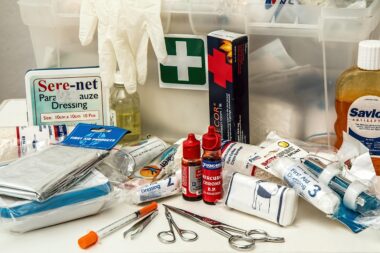
Once a heat stroke is suspected in a breeding dog, immediate first aid is essential to reverse the effects of overheating. Any delay in response can worsen the condition dramatically. Firstly, remove the dog from the hot environment to a shaded or cool area, as this can prevent further overheating. While monitoring the dog closely, administer small amounts of cool water for hydration. Avoid ice-cold water, as it can cause shock. Instead, gently pour cool water over the body, primarily focusing on the areas with large blood vessels, such as the paws, belly, and groin. Using a fan can aid in the cooling process by enhancing airflow over the wet areas. Keep monitoring the dog’s temperature, aiming for a gradual return to normal levels, ideally between 101°F and 102.5°F. If there is no improvement within ten minutes, or if you observe severe symptoms, transport the dog to a veterinary clinic promptly. Remember to continue cooling efforts en route. Heat stroke is an emergency; effective first aid can significantly affect outcomes positively, ensuring the dog’s recovery.
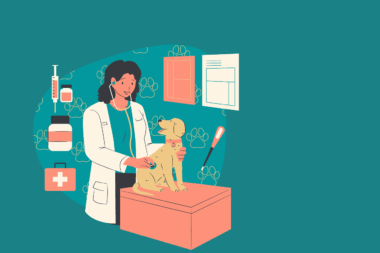
In addition to immediate first aid, follow-up care after a heat stroke incident is crucial. Breeding dogs may require veterinary evaluation to ensure no lasting effects have occurred. The veterinarian may perform blood work and other diagnostics to assess organ function and fluid balance. Symptoms may not always be visible right away, which is why a professional assessment is recommended. Dogs bitten by heat stroke may face long-term complications, including respiratory issues or kidney damage. Therefore, continued observation is vital, especially in the days following the incident. Ensure the dog has a calm and cool recovery environment, free from stressors. Hydration should remain a priority, and electrolyte additions may support recovery. Reintroducing food should be gradual; best to wait until the dog feels completely stable. Owners should also reflect on the incident, examining what preventive measures could be improved for the future. This reflection creates a robust breeding program that prioritizes dogs’ health and safety. It empowers breeders to act decisively in protecting their beloved canine companions and fostering resilience against climate challenges.
Long-Term Strategies for Preventing Heat-Related Illness
Preventing heat-related illnesses in breeding dogs goes beyond immediate measures. It requires a holistic approach with long-term strategies which can significantly enhance each dog’s well-being. Establishing routines that ensure dogs are acclimatized gradually to hotter temperatures is important. For instance, gradually increasing exercise intensity helps canines adapt physically to heat. Additionally, educating all dog handlers about avoiding risk factors while caring for these animals creates a team approach to safety. A breeding program should involve regular assessments of weather conditions and ready provisions for emergencies. Keep track of local weather forecasts and be prepared by having everything needed in place ahead of time, including cooling products. Enhancing the kennel setup will also benefit the dogs. Consider elements like reflective roofs or natural ventilation canopies to mitigate heat, or engage in strategic landscaping to create shade. These breeding facilities should consider adjusting timelines based on the changing climates we face yearly, ensuring sound practices are integrated throughout the breeding process. Ultimately, long-term strategies cultivate resilience and awareness among breeders, equipping them with the tools needed to safeguard their breeding dogs from serious heat-related incidents.
In conclusion, prevention, immediate response, and long-term care are integral to managing heat-related illnesses in breeding dogs. By understanding heat stroke symptoms, recognizing risk factors, and implementing prevention strategies, breeders can minimize the threat to their dogs. Adequate hydration, structural protections, and proactive environmental adjustments must become a standard practice within breeding programs. Equally essential is readiness for emergencies, as first aid can prove vital when facing heat stroke. Immediate actions may include relocating the dog to cooler environments and applying appropriate cooling methods. Don’t underestimate the importance of veterinary evaluations after such incidents to catch any potential complications. The commitment to the health and safety of breeding dogs reflects positively on the breeder’s ethics and responsibilities. Engaging in continuous education about dog welfare ensures breeders are fully prepared for challenges that arise with changing climates. Whether you are an experienced breeder or new to the field, these practices create a supportive, responsible breeding environment. Ultimately, fostering an informed community around breeding dogs contributes to their longevity and well-being, thereby enhancing the bond between dogs and their dedicated caretakers.
Images or infographicsresources from reputable organizations for accurate visuals that align with your article.