
How Diet Can Influence Your Cat’s Anxiety
Understanding how diet plays a crucial role in your cat’s overall well-being is essential for pet owners. Anxiety in cats can manifest in numerous ways, including excessive grooming, aggressive behavior, or withdrawal. These behaviors can often stem from various factors, one of which is the diet your cat consumes. A balanced diet consisting of high-quality proteins, essential fatty acids, and vitamins can reduce anxiety levels significantly. Feeding your cat regular meals helps establish a routine that creates stability and security. Foods that are rich in omega-3 fatty acids, found in fish like salmon, or certain supplements, can also positively influence your cat’s mood. Additionally, some studies indicate that food containing probiotics can aid digestion and contribute to a more stable emotional state. Many cat owners find that incorporating these dietary changes can improve their pet’s demeanor over time. It’s important to consult with a veterinarian when making significant changes to your cat’s diet. Transitioning slowly to new foods is always advisable to prevent digestive upsets and ensure your cat adapts properly without increasing anxiety.
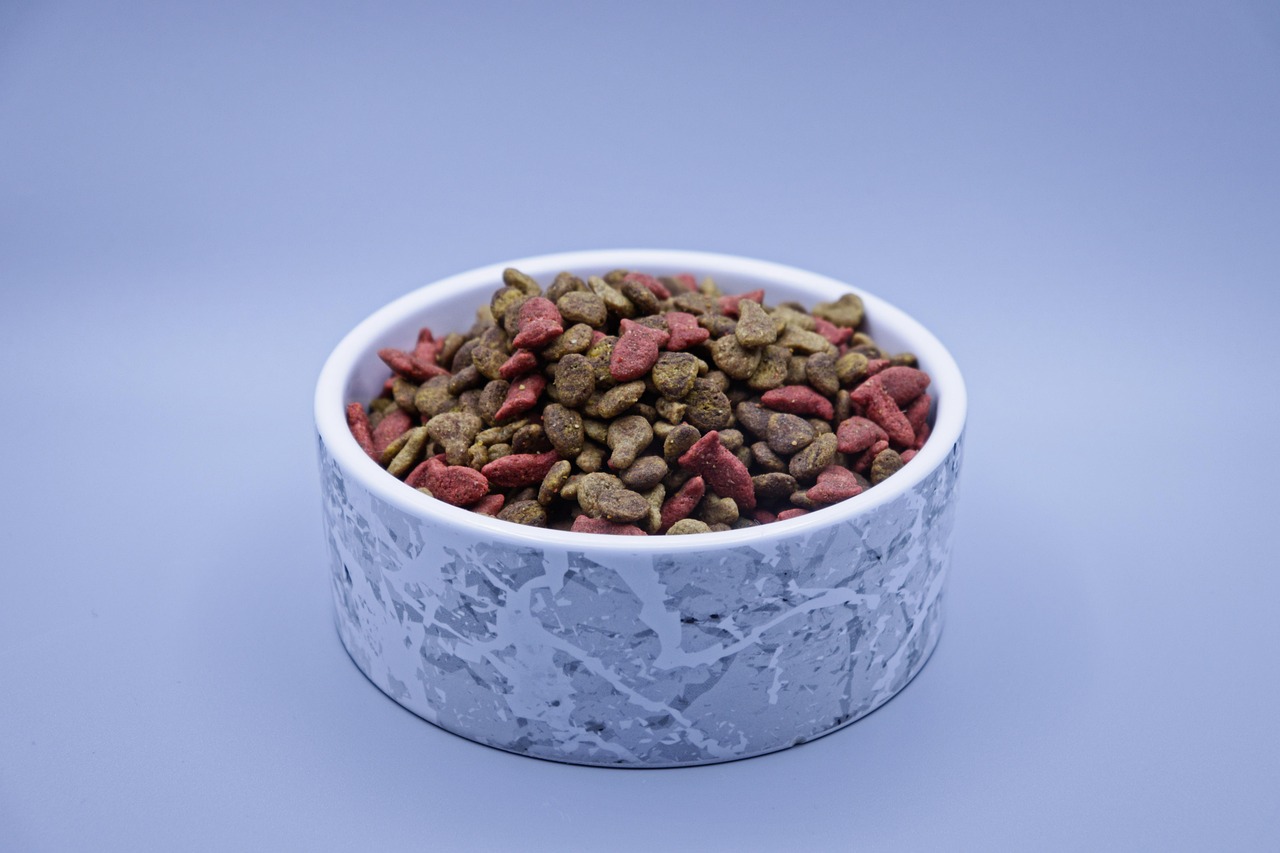
As you navigate your cat’s diet adjustments, consider the importance of moisture in food. Dry kibble can often dehydrate cats, leading to lethargy and increased stress. In contrast, wet food options can offer better hydration levels while providing enjoyable eating experiences. Cats are naturally drawn to the scent of their food, and the aroma of fresh, protein-rich meals can be highly enticing. This attraction can help alleviate anxiety-driven behaviors as cats enjoy their mealtime experience. Moreover, varying textures and flavors can create excitement around feeding, stimulating your cat’s senses, and enjoying meals. Transitioning from dry to wet food may take time, so it’s crucial to approach this shift gradually. In some cases, introducing supplementation with calming herbs may enhance the effectiveness of dietary adjustments. Products like valerian or chamomile, when given in moderation, can provide soothing benefits, making meals more comforting. A well-balanced, varied diet not only promotes good health but also helps in reducing anxiety-related issues significantly. Make sure to pay attention to your cat’s preferences to refine their meal plan further as this improves their mental well-being.
Identifying Nutritional Deficiencies
Another aspect to consider in your cat’s diet is identifying nutritional deficiencies. Cats that lack essential nutrients can exhibit anxiety symptoms and behavioral issues. A diet that does not fulfill their nutritional needs may lead to irritability and emotional distress. Nutritional deficiencies can arise from low-quality commercial foods or homemade diets that are not well-balanced. For instance, a lack of taurine, an essential amino acid, is particularly harmful and can lead to health problems, including anxiety. Consulting with your veterinarian is vital to evaluate current food intake and identify any potential deficiencies, allowing for tailored dietary modifications. Regular veterinary check-ups can also assist in monitoring your cat’s overall health and psychological state. Moreover, testing for allergies related to specific food ingredients may help eliminate anxiety triggers. Often, food sensitivities can create discomfort, further amplifying stress responses in cats. Providing a hypoallergenic diet for sensitive felines can offer substantial relief. Pay attention to any changes in behavior post dietary alterations. Observing how your cat responds to various foods will guide you toward the best nutritional strategy to manage anxiety effectively.
Ensuring that your cat leads a stress-free life involves managing their environment alongside the right diet. Environmental factors, such as the absence of safe spaces and the presence of stressors, can significantly contribute to anxiety levels. Cats thrive in secure locations and feel much less anxious when they have accessible hiding spots. Therefore, enhancing your cat’s physical environment can offset existing anxiety and allow them to feel at ease. You can achieve this by providing multiple perches, cozy hiding places, and enriching toys that divert their attention. When creating this safe environment, consider implementing feeding practices that align with your cat’s natural instincts. Allowing cats to work for their food, mimicking their hunting behavior, alleviates stress and promotes mental stimulation. Utilizing puzzle feeders or engaging toys can keep your cat occupied and promote a more active lifestyle. Additionally, maintaining a consistent daily routine can also help manage anxiety over time. Stability in mealtimes, playtimes, and interactions fosters trust and comfort as your cat learns to anticipate these positive experiences in their environment.
Providing Behavioral Enrichment
Behavioral enrichment is another crucial component of managing anxiety through diet and lifestyle. When cats exhibit destructive behaviors due to anxiety, it is vital to encourage appropriate activities that allow them to express themselves. Introducing positive reinforcement techniques alongside dietary changes can yield impressive results. Engage your cat with toys that encourage natural hunting instincts, as this fosters physical activity and mental stimulation—essential elements in reducing anxiety levels. Interactive play, such as using feather toys or laser pointers, not only provides exercise but also strengthens the bond between you and your cat. Additionally, consider adding puzzles or treat-dispensing toys to their environment. Such toys stimulate cognitive functions, promoting well-being while offering rewards through play. These engaging activities help keep your cat active, mentally challenged, and dramatically reduce anxiety. Regularly switching toys and incorporating new interactive experiences can keep their interest alive. Always praise and reward your cat for participating in these activities, as this reinforces positive behavior while ensuring they are happy and healthy. A well-rounded approach encompassing diet and environmental enrichment is fundamental to helping your cat feel relaxed.
Furthermore, stress-reducing supplements can bolster positive changes made through dietary adjustments. Consult your veterinarian regarding specific supplementations that have proven effective for anxious cats. Many calming treats which are formulated with natural ingredients may help to soothe your cat’s nerves. Herbs like passionflower and L-theanine show evidence of reducing anxiety symptoms and improving overall well-being. Selecting the right product for your cat is important, as individual sensitivities and reactions can vary. Introduce any supplements slowly to gauge their effectiveness and monitor your cat’s tolerance. Alongside proper nutrition, these calming products can work synergistically to minimize anxiety in your feline. Observe your cat closely during this process, documenting any changes to ensure optimal effectiveness and safety. Proper hydration cannot be overlooked; ensuring that your cat has constant access to fresh water alongside these adjustments promotes well-being. Diet cannot be considered in isolation; it’s essential to develop a holistic plan, ensuring your cat’s environment, activities, and nutrition work to foster a calmer disposition. Shifting to a more mindful approach in feeding and enrichment will lead to a profound reduction in anxiety levels.
Conclusion
In conclusion, understanding the impact of diet on your cat’s anxiety gives you the tools needed to help them thrive. A balanced diet rich in essential nutrients, positive reinforcement through engaging play, and careful environmental adjustments all contribute to your cat’s emotional health. Monitoring for potential nutritional deficiencies and supplementing where necessary further enhances your ability to soothe anxiety. Improving your cat’s diet ought to involve transitioning to higher quality foods, incorporating wet options, and utilizing calming remedies where indicated. Estimating your cat’s preferences while focusing on hydration and engaging activities strengthens joy and reduces stress profoundly. Always maintain open communication with your veterinarian to evaluate ongoing progress with dietary and behavioral changes. As you work together, you can create a customized care plan that addresses your cat’s specific needs, enhancing their quality of life. Give your feline companion the chance to experience a more serene state of being. With thoughtful management and adjustments, your furry friend can flourish both emotionally and physically. Nurturing their diet alongside ensuring a rich environment greatly equips you to manage anxiety effectively for your cherished pet.
Taking these steps toward managing your cat’s anxiety through diet and lifestyle reflects your dedication as a responsible owner. Making informed decisions will lead to a happier, healthier, and more relaxed pet. Building trust and comfort creates more fulfilling relationships as you learn to appreciate the nuances of your cat’s unique personality. Empower yourself with knowledge and let the journey toward a balanced diet and peaceful environment begin for you and your beloved feline.