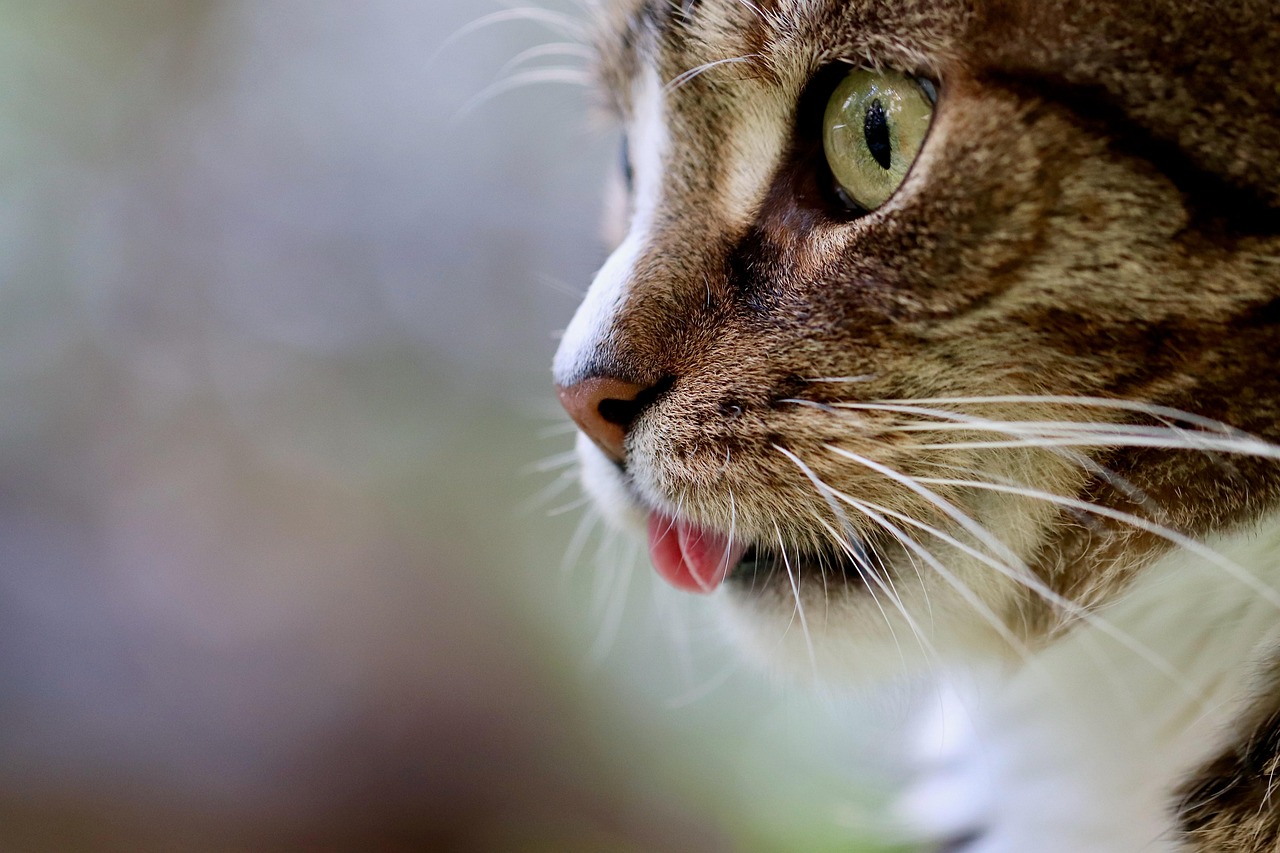

Nutrition and Its Influence on Cat Mental Health During Adjustment
Bringing a new cat into your home can be one of the most rewarding experiences. However, adoption also comes with challenges, particularly regarding mental health adjustment in felines. Nutrition plays a pivotal role during this transition, impacting their well-being significantly. A balanced diet helps maintain their physical health, which is essential for emotional stability. Cats are creatures of habit, and changes in their environment can lead to stress and anxiety. This is where proper nutrition becomes paramount, as it aids in alleviating some of the stress associated with new surroundings. It’s important to provide your new fur baby with high-quality food that caters to their nutritional needs. Moreover, understanding the importance of safe treats can also aid in creating a positive environment. Cats respond positively to familiar flavors and aromas, which can provide comfort in times of adjustment. Nutritional habits established during the initial adjustment phase can help cement a sense of security. Thus, choosing the right food is not just a daily task; it influences your cat’s mental health, establishing a strong foundation for their new life.
Beyond just offering food, pet owners must ensure that the meals are well-balanced. Cats are obligate carnivores, requiring specific nutrients found primarily in animal-based proteins. Essential fatty acids, amino acids like taurine, and vitamins support cognitive function and emotional well-being. A diet lacking in these ingredients can lead to health issues that manifest as behavioral problems. Moreover, hydration is often overlooked; dehydration can exacerbate anxiety. Therefore, it’s essential to keep fresh water available at all times and consider wet food options. These options not only provide moisture but also enhance palatability, making them appealing to your cat. Consider also the timing of meals; regular feeding schedules help create routines that provide stability amid the changes in their environment. Avoid sudden dietary changes, as this can lead to gastrointestinal upset, further complicating their adjustment. Gradually introducing new foods over several days can ease this transition. It’s vital to consult with a veterinarian when deciding on diet changes to ensure that all nutritional needs are met. The right diet can lead to better moods, encouraging your cat to adapt more smoothly to their new home.
Food and the Stress Response in Cats
The relationship between food and stress response in cats is essential to understand during their adjustment. Stress can cause physical changes in a cat’s body, leading to decreased appetite or changes in eating habits. When a cat is stressed, they may not eat as much, resulting in weight loss and further exacerbating mental health issues. Furthermore, certain foods can provoke stress responses; some formulations can be too rich or not suited for your cat’s digestive system. Hence, selecting foods that are easy to digest can help minimize gastrointestinal upset, allowing your cat to feel more comfortable. Opt for novel protein sources if you notice they are habitual eaters. Cats can develop preferences for certain flavors, so ensuring variety while maintaining quality ingredients is crucial for keeping them interested in their food. Special stress-reducing diets do exist, often enriched with calming additives. These can help manage anxiety levels during this pivotal time. Monitoring their eating behavior can give insights into their emotional state. If eating habits don’t improve over time, consulting a vet is essential to ensure their nutritional intake meets mental health needs effectively.
Another key component of nutrition and mental health is incorporating treats that promote well-being. When introducing treats, it’s wise to opt for those designed to enhance health, such as those containing omega fatty acids or probiotics. These ingredients can support both physical health and emotional well-being. Rewarding your cat with treat-based activities fosters positive associations with their environment. This, in turn, can reduce anxiety during the critical transition phase. Engaging your cat with mentally stimulating toys that can be filled with treats can help them adapt to their new home. Moreover, it encourages activity, which is critical for managing weight and overall mental health. While forming a bond with your cat, using treats as a reward for desirable behaviors builds trust and security, contributing to a healthy adjustment period. Remember that moderation is essential; overindulging can lead to obesity and guilt responses, further complicating their feelings about their surroundings. Maintain a balanced approach to treats, ensuring that they complement their primary diet rather than replace it. Encouraging healthy habits can make a world of difference in your cat’s adaptation journey.
Coping Mechanisms and Environment
Cats are highly sensitive to their environment, which makes it crucial to establish a peaceful space during their adjustment. Alongside nutrition, creating an environment where they feel safe and secure is vital. Cats thrive in a stress-free environment tailored to their instincts and behaviors. Designate a quiet room for your cat with all their necessities—food, water, litter box, and a comfortable place for sleep. Familiar items such as toys, blankets, or bedding can ease anxiety by providing a sense of home. Additionally, place their food in areas that feel secure from potential disturbances. Regular routines reinforce their understanding of what to expect each day. Cats often react positively to consistent feeding times, playtimes, and even social interaction. Moreover, managing the human-animal interaction can play a role in their mental health. Allowing them the space to explore at their pace while also being available for comfort reinforces their trust in you. Once they feel secure in their environment, their exploration will become more robust. Patience and understanding are key during this period; their adjustment pace may vary significantly.
Further, it’s essential to monitor your cat’s behavior as they adjust. Behavioral changes can be telling signs of how well they are coping with their new environment. Some cats may exhibit changes in grooming habits, eating, and even hiding. These actions will indicate how they feel emotionally. Keeping an eye on their eating habits can provide you with valuable insights; any significant changes merits a vet’s consultation. Providing a diverse range of enrichment activities—such as puzzle toys or climbing structures—can help curb potential behavioral issues stemming from boredom or stress. Allowing them to express their natural instincts keeps them mentally stimulated and reduces stress. Moreover, consider interactive play sessions with you and your cat, strengthening the bond between you two. Each session fosters trust, allowing your cat to feel safe exploring their new surroundings with confidence. Identifying stress indicators early is crucial; once recognized, you can take action before it escalates into deeper issues. Thus, understanding how your cat adjusts to a new home environment directly correlates with mental health considerations and dietary choices. Making informed decisions plays a critical role in shared happiness.
Long-term Considerations for Cat’s Mental Health
Ultimately, nutrition and environmental factors play pivotal roles in shaping your cat’s long-term mental health. Developing healthy eating habits during their adjustment lays the foundation for stability, trust, and tranquility. Experts suggest that continuing these practices throughout your cat’s life can have immense benefits. A consistent diet that includes essential nutrients will maintain not just physical health but can help mitigate age-related mental health issues. Cats can experience stress at different life stages, particularly when facing changes such as moving homes or introducing new pets. Hence, keeping a routine established through proper nutrition can be beneficial even later in life. Additionally, consulting with professional veterinarians can provide pathways for ongoing dietary adjustments that suit changing needs over time. Empowering yourself with knowledge about your cat’s dietary requirements will foster a strong, healthy relationship between you both. These considerations may also guide in preventing health issues down the line. Understanding the profound influence of nutrition on mental health will ensure your feline friend enjoys the best possible life filled with love, comfort, and happiness while minimizing any transitional anxieties.
In conclusion, the intersection of nutrition and mental health for adopted cats is a journey of empathy. Fostering trust through a focus on nutrition while ensuring a peaceful transition period leads to a mentally healthy cat. By recognizing the role food plays in shaping emotions, you can create an environment that enhances well-being. It’s essential to remember that adopting a cat is a lifelong commitment, and the strategies that support their adjustment can have long-reaching positive effects. Incorporate healthy nutrition as a central part of their care and invest time in forming a secure bond. This not only helps mitigate anxiety but also promotes a more vibrant, engaging lifestyle enriched with playful activities and emotional stability. The significance lies in how you address this period of adjustment through consistent nurturing efforts. As you build trust and provide necessary resources, you help pave the way for a fulfilling relationship that benefits your mental health as well. Adopting a new cat can be one of the most gratifying experiences, leading to countless joyful moments shared together, all stemming from a thoughtfully considered start.