
Adjusting Dog Exercise Routines Based on Climate During Travel
When traveling with your dog, understanding how climate affects exercise routines is essential. Different climates can influence your dog’s energy levels, hydration needs, and overall well-being. For instance, high temperatures may lead to overheating, while colder weather can result in reduced activity levels. It is imperative to adjust exercise routines accordingly to suit these varying conditions. To ensure your dog remains happy and healthy, consider the following factors when planning outdoor activities. First, pay attention to the temperature, as dogs can suffer from heatstroke on hot days. Second, be aware of the humidity levels, as high humidity can impede a dog’s ability to cool down. Third, choose the right time of day for walks, avoiding peak heat hours. Fourth, make sure to provide plenty of water to keep your dog hydrated. Pay attention to your dog’s behavior; if they seem sluggish or unwilling to move, it may be a sign that conditions are too extreme. Always adapt your routine to keep their safety and enjoyment in mind, creating a balanced experience for both of you during your travels.
In extremely hot climates, it is crucial to tailor your dog’s exercise routines for their safety. Early morning and late evening are often the best times for walks, as temperatures are cooler. Short, frequent walks can be better than extended sessions. Consider activities such as swimming, which can be enjoyable and safe for your dog. Also, protect their paws by avoiding hot pavement, which can cause burns. Always observe your dog for signs of overheating, such as excessive panting or lethargy. Carry water during outings, offering sips regularly. Ensure that there are shaded areas for your dog to rest. When planning adventures, look for dog-friendly locations like lakes or shaded parks. If your dog is not accustomed to high heat, start with reduced activity levels and gradually increase as they adapt. Remember that older dogs and certain breeds, especially those with flat faces, may have a harder time in the heat. Keeping a close eye on your pet’s condition will enable you to adapt quickly, ensuring enjoyable and safe experiences regardless of your travel destination.
Adapting to Cold Weather Conditions
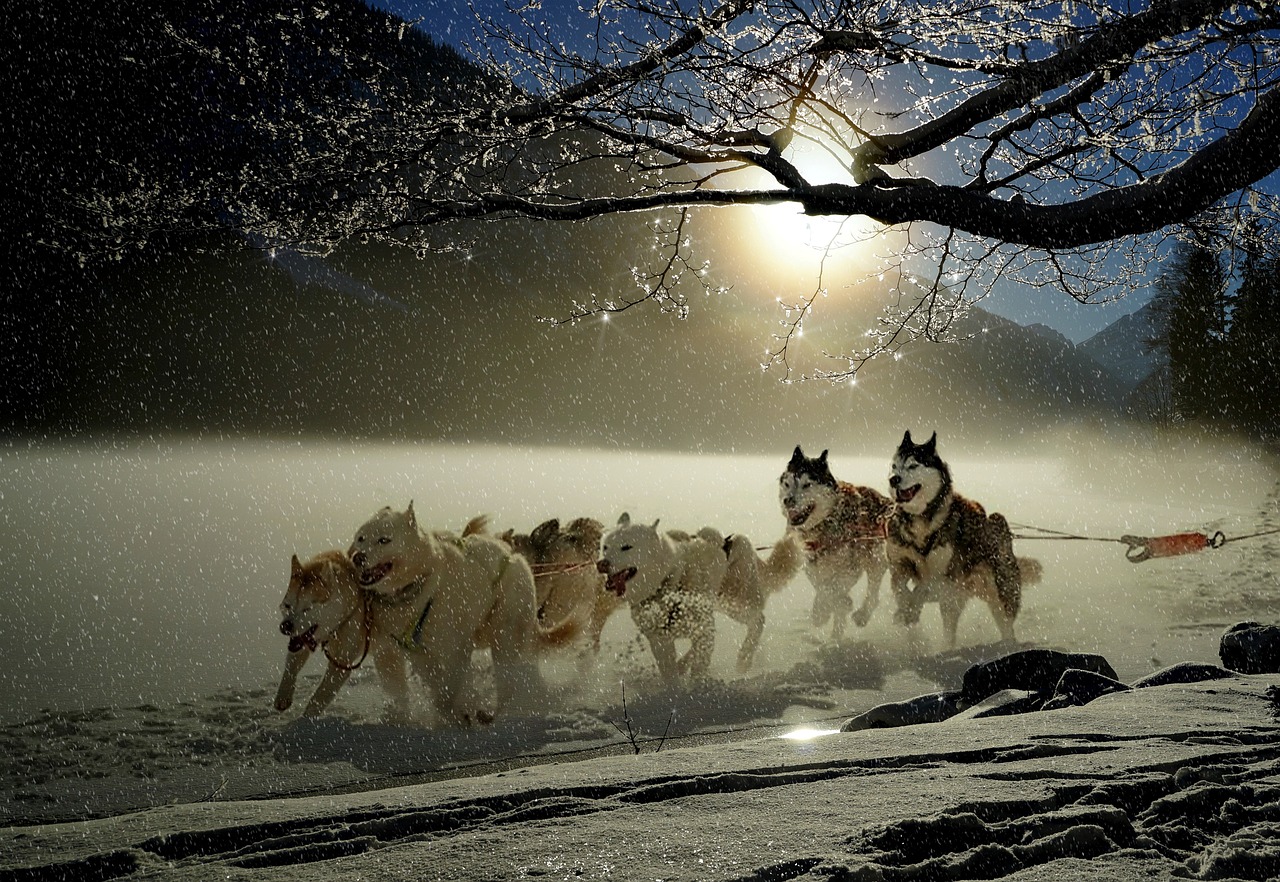
Traveling to colder climates presents unique challenges for dog owners, necessitating modifications in exercise routines. Dogs, like humans, can be vulnerable to cold weather, particularly certain breeds. During winter months, ensure that your dog is adequately protected from the elements. Cozy sweaters or jackets may be necessary, especially for smaller or short-haired breeds. Introduce your dog to cold weather gradually, allowing them to acclimate to the lower temperatures. If your dog enjoys playing in the snow, limit their time outside to avoid risks of frostbite or hypothermia. It’s also important to keep their paws clean and dry, as salt and chemicals used for de-icing roads can be harmful. After walks, check their paws for cracks or injury, and consider paw balm to protect their feet. Short, brisk walks during the day can suffice while also providing necessary exercise. Look for opportunities to engage in indoor play, which can maintain their energy levels without exposing them to prolonged cold. Always monitor your dog’s behavior, adjusting your plans to keep their safety and enjoyment a priority on your winter travels.
Hydration is equally essential for dogs traveling in both hot and cold climates. Dehydration can occur in various weather conditions, so consistently providing fresh water is vital. On hot days, dogs may lose fluids quickly through panting, while in cold weather, they may not drink as much due to their instinct to conserve energy. Therefore, regardless of the climate, carry water whenever you walk your dog. A collapsible bowl is easy to pack and convenient for hikes or outings. Encourage your dog to drink frequently, especially after physically active periods. Look for signs of dehydration, such as dry gums, lethargy, or decreased appetite. In cold climates, some dogs may be hesitant to drink icy water; thus, consider using lukewarm water to keep their interest. Foods with high moisture content, such as wet dog food, can also supplement hydration needs. Also, limit your dog’s exposure to extreme weather for their comfort. By taking proactive hydration measures, you can help ensure your furry friend stays healthy, happy, and ready for adventures, no matter where your travels take you.
Understanding Signs of Stress
Recognizing signs of stress is crucial for maintaining your dog’s well-being during traveling, particularly in varying climates. Dogs communicate their discomfort or stress visibly, and as a responsible owner, being aware of these signals can help you make necessary adjustments. Common signs of stress include excessive panting, whining, or restlessness during walks. Additionally, some dogs may hide, refuse to engage, or even bark excessively. It is vital to monitor their behavior closely after exercising in different climates. If you notice any signs of stress, it may be time to take a break or choose a quieter, cooler environment. Stress can also lead to health issues if ignored, so proactive measures should be taken. Alter your plans by opting for shorter, less intense exercises until your dog is comfortable. If traveling with multiple pets, keeping them separated during exercise might help reduce competition and anxiety. Always communicate with your dog, providing calm reassurance throughout your travels. Creating a balanced environment for your furry companion will not only enhance their experience but also foster a stronger bond between you and your dog.
Monitoring your dog’s diet also plays a role in adapting exercise routines based on climate. Travel can disrupt regular feeding schedules, which may affect energy levels and hydration needs. In hot climates, lighter meals may be preferred, as heavy meals can lead to lethargy. Opting for easily digestible foods ensures your dog has the energy to keep them active without overwhelming their system. On colder days, consider incorporating higher calorie options to provide necessary warmth and energy. An increased appetite in winter may signal a need for more hearty meals. Be attentive to any changes in behavior or eating habits, as these can indicate discomfort related to your travel conditions. If necessary, consult your veterinarian for tailored dietary recommendations while traveling. Maintaining a consistent feeding routine will help stabilize your dog’s energy levels and overall mood. By being conscious of how climate impacts your dog’s diet, you will optimize their performance during exercise. This not only improves their health but also ensures you both have enjoyable and memorable experiences while exploring new places together.
Planning Activities that Suit Various Climates
When planning activities during your travels with your dog, consider options that are adaptable to different climates. Your goals should prioritize both safety and enjoyment for your pet. Explore dog-friendly hiking trails that offer shaded areas in the heat and a variety of terrains in colder weather. Consider engaging in water-based activities, which can be great for warm days and serve as a natural way to exercise your dog while keeping them cool. During colder months, finding snowy areas for fun playtime can offer excellent physical and mental stimulation. Additionally, look into indoor dog parks or training facilities that provide a climate-controlled environment on inclement days. Such alternatives can help avoid extreme weather situations while allowing your dog to socialize and exercise. You may also incorporate interactive toys or games that can be played inside, focusing on mental enrichment. The key to successful dog travel lies in maintaining flexibility; by continually adjusting your plans to meet your dog’s needs, everyone has a more enjoyable experience while exploring diverse environments together.
Lastly, always ensure that your dog remains identifiable during travel, particularly when exploring unfamiliar places. Identification tags on collars are essential; including your contact information may help reunite you quickly if your dog wanders. Microchipping is also a recommended option for added security, as it provides permanent identification. In case of emergencies related to extreme climates, having vital information about health conditions or allergies on hand can assist caregivers in providing immediate care. When traveling between climates, be cautious of the signs of heat exhaustion or hypothermia. Always make sure your dog has proper vet checks before embarking on such journeys, ensuring their health is optimal for the conditions faced. Before each trip, review what to expect and prepare a first aid kit specific to your dog’s needs. Changes to climate can stress pets; ensuring safety will allow both you and your dog to enjoy your travels confidently. Staying informed and proactive will significantly enhance the overall experience as you venture into new environments, making the trip memorable for both of you.