
The Role of Grooming in Preventing Dog Lice
Keeping your dog clean and well-groomed is essential in preventing lice infestations. Grooming helps in spotting any potential issues, such as lice or other parasites. Regularly brushing your dog’s coat can help remove debris, dead hair, and even parasites. Not only does grooming promote a shiny coat, but it also creates a better environment for your dog’s skin. Ensuring your dog’s coat remains free from tangles and mats is also vital, as these can harbor pests. Professional groomers are trained to detect issues that owners might miss, making routine grooming appointments important. In addition to dog grooming, it’s crucial to check other areas like the ears, paws, and belly. Using a flea comb specifically designed for catching lice can be beneficial during these checks. Regular grooming is also a pleasant bonding experience between you and your dog. Educational resources are available to understand lice infestations, including when and how to treat them. Keeping an open line of communication with your veterinarian will ensure your pet’s health remains a priority. The importance of proper grooming is a critical strategy for preventing lice infestations in dogs.
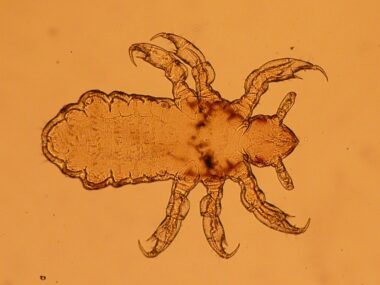
Lice infestation is a common problem among dogs, particularly in those that socialize frequently with other dogs. These parasites can cause severe discomfort and lead to skin infections. They’re generally divided into two types: biting lice and sucking lice. Understanding these types helps in identifying the right approach to treatment. Behavior changes in your dog, such as excessive scratching, licking, or biting at the skin, may indicate lice. When you identify these signs, taking immediate action becomes essential. Treatment often includes topical sprays or shampoos that target lice. Make sure to follow your veterinarian’s guidelines regarding treatment frequency and application methods. In addition, maintaining a clean environment is crucial for preventing re-infestation. Regular washing of bedding and toys can help eliminate any lice that may be present. Vacuuming carpets and soft furnishings frequently can also reduce the lice population in your home. Collaboration with your vet will help in adequately diagnosing the level of infestation your dog may have. Knowledge about lice can help you identify, treat, and prevent future lice issues effectively.
Prevention Strategies Through Grooming
Preventing lice infestation in dogs effectively requires a multifaceted approach. Regular grooming is perhaps the most critical preventive measure. A well-groomed dog is not only cleaner but also less appealing to lice and other parasites. During grooming, inspect your dog’s coat and skin closely for signs of lice or irritation. Pay particular attention to areas where lice are likely to hide, such as behind the ears and under the legs. Using a comb specifically designed to catch lice will enhance your inspection process. Grooming sessions can also be a good time to apply preventive treatments recommended by your veterinarian. There are various medications available to inhibit lice growth and reproduction. It’s important to use products that are safe for your dog’s age and breed, as some treatments can be harsh. Moreover, ensuring your dog has a good diet can also impact their skin health, making it less conducive for lice. Always educate yourself about any new treatments or groomers to make informed decisions for your dog’s care. Timely preventative actions grant peace of mind, creating a healthy environment for your dog.
Interactions with other pets may expose your dog to lice, especially if they frequent dog parks or grooming salons. Ensuring that any new dog brought into your home is lice-free is imperative. If a new pet shows signs of infestation, it’s prudent to isolate them until treated effectively. Your existing dog should also be checked regularly for lice or other parasites. Many pet owners make the mistake of assuming that regular flea prevention is enough; however, flea treatments do not cover lice. Hence, it’s essential to discuss other specific treatments with your veterinarian. Keeping your dog on a strict grooming schedule can help mitigate the risk of lice. The grooming process should emphasize cleanliness and the removal of any lice and their eggs. Additionally, inspecting your dog after every visit to a public place will ensure no lice are introduced to your home. Collaboration with your vet will guide your decisions, particularly regarding grooming and parasite-resistant products. The more vigilance you maintain, the lower the chance of an infestation taking hold. By actively managing your dog’s care, you will significantly reduce the risk of lice becoming a problem.
Signs of Lice Infestation
Identifying potential lice infestations early is key to effective treatment and management. Look out for symptoms such as itchiness, irritation, and redness on your dog’s skin. Excessive scratching or biting at specific areas often suggests the presence of lice. Other indicators include hair loss, especially in patches, and any unusual odors emanating from the skin. Furthermore, the presence of small white or yellowish eggs, called nits, glued to the hair shafts is a telltale sign. A close inspection of the coat, particularly at the base of the ears, neck, and tail, can reveal these lice or their eggs. If infestations become severe, secondary infections may develop due to constant scratching. If you suspect lice, it’s important to consult your veterinarian for proper diagnosis and treatment. Several effective products target lice specifically, and your vet can guide you on their application. Regular grooming and thorough examinations make the diagnosis process easier. Knowing the signs will help pet owners act swiftly, thereby reducing the discomfort for their dogs. This proactive approach is essential for maintaining your dog’s overall health.
After identifying a lice infestation, immediate steps must be taken to ensure your dog is treated quickly and effectively. Begin by isolating the affected dog from other pets to prevent spreading the lice. Thoroughly groom the dog to remove any lice and nits present in the coat. Bathing the dog with a specially formulated shampoo that kills lice may be necessary, following your vet’s instructions closely. Repeat applications may be required based on the product’s specification, ensuring full eradication. Moreover, treating your home is equally crucial; vacuum carpets and wash any bedding used by your dog. Pet toys should also be disinfected. Consulting your vet provides insights into appropriate environmental treatments to prevent re-infestation. Explore preventive medications that may help deter lice growth in the future. This proactive approach is essential to ensuring your canine companion remains lice-free. Regular follow-ups with the vet will help in evaluating the effectiveness of the treatment. It’s important to stay vigilant, as managing lice requires ongoing attention to grooming and inspection practices.
Conclusion and Ongoing Management
Maintaining a lice-free environment for your dog is a continuous commitment requiring diligence and awareness. Regular grooming forms the backbone of effective lice prevention, helping you spot early signs before infestations escalate. Accompany grooming with regular veterinary check-ups to monitor your dog’s health; a professional can offer tailored insights. Make sure to educate everyone in the household about lice, encouraging them to report any suspicious signs. Adhering to a consistent grooming and treatment schedule enhances your dog’s resistance to lice. Additionally, proper nutrition further supports skin and coat health, making it less attractive for lice. Consult fantastic resources on dog care for further understanding, empowering you to take meaningful steps. Engaging in responsible pet ownership entails not just addressing existing infestations but also preventing future ones. Embracing these practices will ensure your dog lives a comfortable, healthy life free from the annoyance of lice. Remember, your commitment to education and diligence can significantly enhance your dog’s wellness and happiness.
In conclusion, prompt grooming and a keen eye for signs of lice are key factors in effectively managing lice infestations. Your dog’s wellness and happiness hinge on your proactive involvement. Being aware of grooming requirements, applying preventive measures, and maintaining a clean environment will significantly contribute to lice prevention. Taking ownership of your dog’s hygiene through meticulous grooming strengthens your bond while keeping them safe from parasites. As responsible pet owners, we must remain vigilant, understanding that healthy habits lead to happier pets. Always communicate with your vet regarding the best approaches tailored to your breed and lifestyle. Knowledge and care not only prevent lice but also shape a supportive, loving environment for your dog. Keeping your dog’s coat clean and healthy is not a one-off task but an ongoing journey. Paying attention to grooming, potential signs of lice, and environmental factors creates a comprehensive strategy against infestations. Engage actively with grooming routines and education to empower yourself and your pet. Together, you’ll navigate the challenges of lice prevention smoothly. Ensure your dog’s well-being by being proactive, informed, and caring.