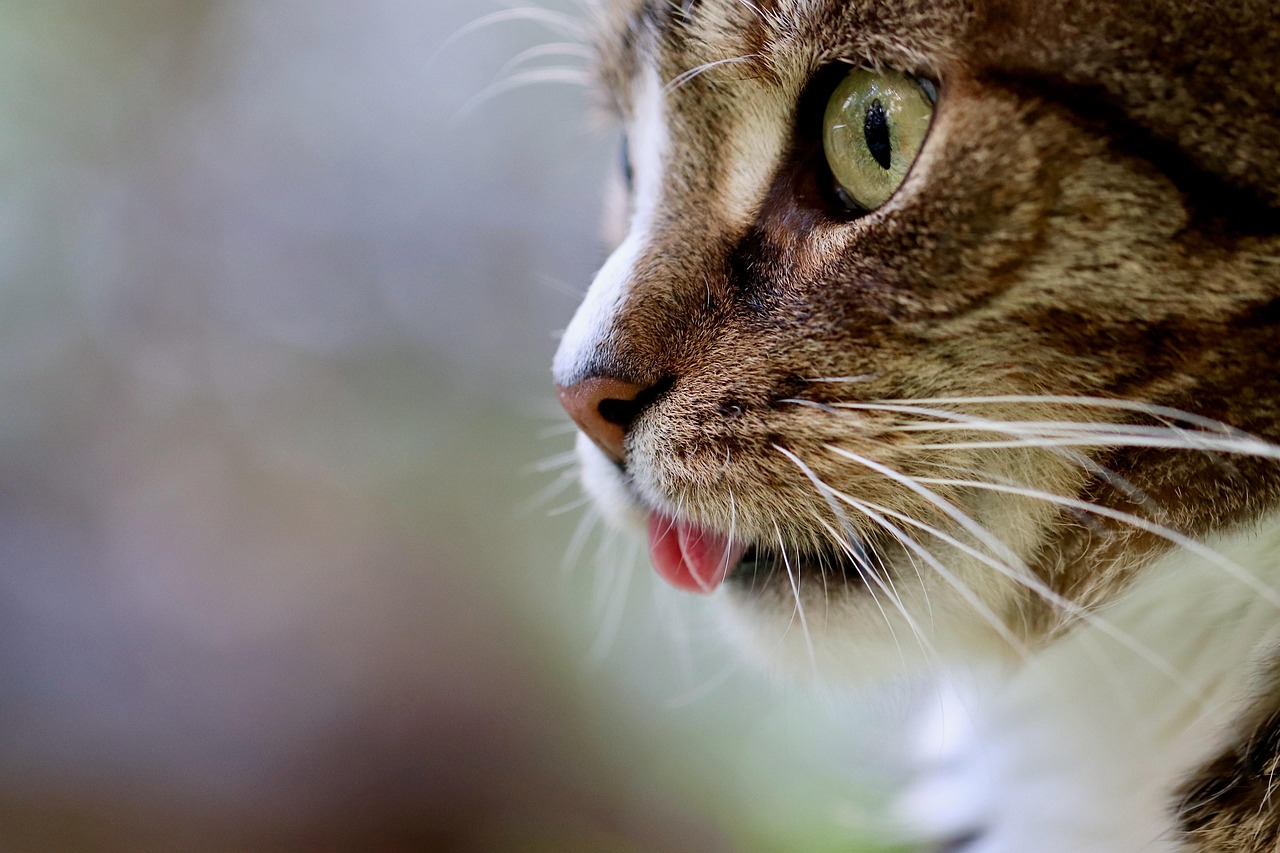

Age Guidelines for Cat Insurance: Protecting Your Pet
Understanding the age limits associated with cat insurance is essential for every pet owner. As our feline companions age, their health needs change significantly, which also impacts insurance coverage options. Various insurers have different policies regarding age limits, which can affect your decision-making process when selecting a plan. Typically, kittens seeking insurance might have a broader range of options, but as they grow older, finding suitable coverage can become more challenging. Many insurers have upper age limits, typically around ten to fifteen years, beyond which coverage becomes limited or even unavailable. As your cat ages, you must consider how this might impact your ability to secure insurance coverage for unexpected vet visits, surgeries, or other necessary care. Therefore, it is advisable to research various providers. Also, consider enrolling your pet in a plan when they are younger, helping ensure that they will be covered as they age. Additionally, some insurers offer policies specifically designed for senior cats, providing tailored coverage as their needs change. This proactive approach can save considerable financial strains in the future.
Choosing a suitable cat insurance policy also requires a keen assessment of your elderly cat’s specific health needs. Many cats, as they age, may develop chronic conditions like kidney disease or arthritis, complicating their insurance coverage. Thus, understanding pre-existing conditions within your policy is vital for long-term care. Each insurer has its unique way of assessing these conditions which can influence available options. Furthermore, not all insurers may cover specific treatments as your cat reaches its senior years. Younger cats might experience far fewer limitations concerning coverage, increasing options for regular vet visits or emergencies. Consequently, if you already have an older cat or are considering adopting one, evaluate the available insurance plans carefully, as appropriate coverage can truly make a difference in your elderly pet’s life. You might also want to consider cat insurance plans that focus on preventative care, which could include key health checks that allow early detection of potential issues, thereby extending their quality of life. The right plan ensures comprehensive care tailored to their specific and evolving needs as they continue to age.
Understanding Coverage Exclusions
Many pet owners often overlook the exclusion clauses present in most cat insurance policies. When evaluating options, it’s essential to read through the fine print carefully, especially concerning age restrictions. For older cats, insurers usually impose varying restrictions on coverage for illnesses or conditions that might have appeared before securing the policy. This can significantly affect older cats that might naturally be more prone to health issues due to their age. Under such circumstances, coverage for ongoing treatments or emergency care can become limited or even denied altogether if considered a pre-existing condition. It’s also worth noting that some insurers may refuse to cover specific treatments altogether, leading to significant out-of-pocket expenses if not properly accounted for. Therefore, negotiating with potential representatives upfront to clarify what is and isn’t covered in regards to your senior cat is crucial. Understanding the exclusions and limitations on treatments can help you choose a policy that offers robust support while avoiding scenarios where you may be left stranded during emergencies requiring financial attention.
Another crucial factor to consider in cat insurance is the implications of waiting periods. Most policies include waiting periods during which specific claims cannot be made, especially for older pets. For instance, cats often require immediate veterinary attention during crises, and having to wait to access insurance is an unnecessary stressor for both owner and pet. If your cat has health issues emerging before the completion of the waiting period, those issues may be deemed pre-existing, impacting coverage availability. Therefore, assessing the duration of waiting periods when choosing the right insurance is paramount. Some companies may even offer a more extended waiting period specifically for senior cats due to their higher likelihood of illness. Make sure to gather all essential information regarding waiting times, as they vary by provider, and choose a company that models flexibility concerning seniors without compromising the quality of care. Ensuring that your elderly cat has immediate access to care not only decreases anxiety for owners but also alleviates health concerns for the pet that can arise from delayed treatment.
Financial Implications of Insurance Choices
The financial aspects of cat insurance decisions cannot be overlooked, particularly for older cats. A pet’s age can significantly influence premiums, and, as such, owners must balance affordability with necessary coverage. Higher risk associated with aging cats typically results in increased premium costs. Owners may find that older cats require more comprehensive care, leading to higher out-of-pocket costs even within an insurance plan. Therefore, it’s also pertinent to evaluate deductibles and reimbursements offered by various insurance providers. For instance, plans that offer low coinsurance might seem convenient at face value but may lead to a higher overall expense in a senior cat’s case, where health checks are necessary. It’s imperative to compute the total potential costs, factoring in everything from routine visits to major health events. Conclusively, while seeking cat insurance, understand that there could be significant long-term financial commitments. Thus, while it’s tempting to go for the lowest premium option, consider the overall coverage benefits that accommodate your pet’s health needs without overextending your finances.
Additionally, the duration and range of pet insurance coverage can vary significantly among insurers based on age limits. For many older cats seeking health security, thorough research can yield plans that offer lifetime coverage versus those that provide limited term options, which can be reconsidered yearly. A plan offering lifetime coverage ensures that as your pet ages and may require regular care, they remain protected against unforeseen conditions without steep price increases year-over-year. Conversely, it is essential to understand the difference between maximum benefits and annual coverage limits set by the provider when evaluating plans. Policies featuring maximum benefits may seem appealing initially but cap yearly payouts, potentially leaving the owner with significant out-of-pocket expenses should major health events arise. Therefore, older cat owners should prioritize policies that offer comprehensive lifetime coverage that assures ongoing protection as their furry friend ages. The reassurance of having financial backup can make a notable difference in the overall care and well-being of your beloved cat as they gracefully transition into their senior years.
Conclusion and Final Thoughts
Ultimately, navigating the world of cat insurance can seem daunting, especially as age restrictions come into play. However, being proactive and thoroughly researching policies can significantly reduce the anxiety and complexity of insurance acquisition for older cats. As many feline companions transition into their senior years, owners are often faced with difficult choices, ensuring their pets receive quality healthcare. Fortunately, knowledge is power in these situations. Understanding the age limits, coverage options, and associated costs opens a path to making informed decisions that will benefit both parties. Pet insurance should be viewed not simply as an added expense but as a necessary safeguard toward the health and well-being of your beloved cat. With proper research and a clear understanding of available options, you can find the best policies that cater to your pet’s unique needs while providing peace of mind. Remember to not only assess coverage but also consider your potential financial responsibilities. In ensuring your senior cat receives comprehensive care, you can rest assured knowing their health remains a top priority.
Finally, seeking advice from fellow cat owners, veterinarians, or even online reviews can provide additional insights specific to your pet’s needs and how others navigate insurance challenges. Cats, like people, have unique health profiles and individual requirements based on their lifestyle and age. Listening to other owners share their experiences helps illuminate potential pitfalls and advantages. Engaging in community forums might also yield valuable information about which insurers offer top-tier coverage. Ultimately, a well-rounded approach toward understanding the importance of cat insurance and the implications associated with age-related coverage can significantly impact your decision-making. Taking the time to digest these details plays a crucial role in securing the best healthcare outcomes for your furry friend. Enjoy the process of learning about different options. Pet insurance need not be overwhelming, and with the right information, you can adequately protect your beloved feline as they navigate their golden years. Prioritize their health and well-being so you can ensure they enjoy a long, happy, and healthy life by your side.