
Using Reflectors and Diffusers to Enhance Cat Fur in Photos
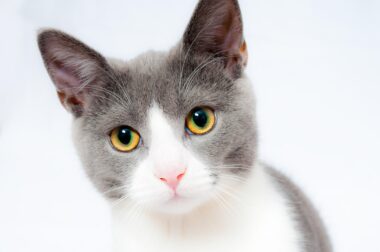
Photographing cat fur textures can be both an art and a science. The right equipment and techniques are essential to showcase the uniqueness of each feline. Using reflectors and diffusers improves light quality effectively. Natural light offers great results, but often it can be harsh, leading to unflattering shadows. Reflectors bounce light back onto your subject, softening these shadows. You can use white cardboard or specialized reflectors. Position it opposite the light source to help illuminate the fur better. Diffusers work by spreading light evenly across your subject, and you can make homemade options too. A sheer white curtain or even a piece of tracing paper can serve this purpose. Ensure the light filtering through is soft and even, which enhances the fur’s texture beautifully. Pay attention to the color of your reflectors and diffusers, as this influences the final outcome. Avoid colors that clash with your cat’s fur, opting for neutral shades instead. The combination of these techniques showcases detail, color, and softness in your cat’s fur like never before. Experimentation is key, so try different setups for varied beautiful effects.
Lighting plays a crucial role in highlighting and accentuating the fur textures of cats. For the best fur photography, you should understand ambient light conditions. Natural light can vary throughout the day, so plan your shoot during the golden hour, which creates a warm glow and minimizes harsh shadows. However, even during the day, harsh mid-afternoon light can create unwanted glare, so using reflectors becomes essential at these times. Consider using a reflector to fill in shadows. The most typical positions for reflectors are in front and below your cat, directing light towards the most shadowed areas. Experiment with different angles to see how light interacts with the fur texture. For darker cats, pay close attention to the shadows created after light is reflected. Similarly, ensure that your cat is comfortable, so they do not feel stressed during the photo session. A relaxed subject will naturally demonstrate its fur textures more elegantly. Feeding your cat or using toys can also help keep them engaged. Notice how these variations affect the light and enhance the overall aesthetic throughout each click.
Types of Reflectors and Diffusers
When it comes to reflectors for photographing cat fur, variety in materials can provide different effects. Each kind can influence the reflectivity and color cast in your images. Common reflector types include silver, white, gold, and black surfaces. Silver reflects the most light, enhancing brightness and contrast, perfect for lively high-energy shots. White offers a more diffused light, producing softer reflections ideal for capturing the delicate textures of fur. Gold provides a warm tone that can enhance the richness of your cat’s coat, while black surfaces absorb light, creating shadows and depth. You can also create DIY versions using home materials like foil or mirrors. For diffusers, try using specialized fabric panels, or you can improvise with translucent materials like shower curtains or thin sheets. Both types help manage light in unique ways, enhancing the depth and dimension of textures in fur. Understanding these tools and selecting the right one allows photographers to achieve different moods and styles in their cat photography, ultimately showcasing the natural presence and beauty of the subject.
Angles and positions during shooting shift the way fur textures appear in photographs, so learning effective camera positioning is essential. Take into account the angle of light and how it interacts with your cat’s fur. Shooting from a lower angle often highlights the texture and body lines of cats; this can make fur appear denser and softer. Increasing the contrast between light and shadows adds a dramatic effect, accentuating unique patterns. Careful position adjustments enable the enhancement of specific fur textures and patterns, capturing intricacies that might otherwise go unnoticed. Having your subject lit from above can bring out the details on top of the fur, while side lighting can create interesting shadows and depth. Always prioritize focal length; a lens that allows for close-up shots can enhance fur details beautifully. Play around with these angles during a shoot and see how they alter the final image. Just take your time and ensure your cat is positioned correctly. After experimenting with different settings, you will learn which angles produce the results you desire when focusing on those stunning fur textures.
Post-Processing Techniques in Photography
After you have taken the photos, post-processing can further enhance cat fur textures. Use photo editing software like Adobe Lightroom or Photoshop to make subtle adjustments. Increasing contrast can deepen shadows and brighten highlights, which will help define the fur’s features more clearly. Adjusting clarity and sharpness adds greater detail, allowing each strand to be more easily distinguished. Experimenting with filters can also mark the photograph mood. Softening and blurring specific parts might lead to a dreamy or ethereal look. Additionally, don’t shy away from cropping images; use it as a means to showcase the cat’s fur up close. Cropping can help to fill the frame with intricate details, emphasizing textures even further. Color correction tools allow you to modify hues and saturation levels, making certain colors pop, especially in rich feline fur. Pay special attention to the way edits affect the cat’s fur directly to maintain a natural appearance. Consistency in editing helps create a recognizable style, allowing you to grow your personal brand and attract more cat photography enthusiasts.
Another aspect of enhancing cat fur textures includes capturing their playful nature. This can be executed effectively with the use of reflectors and diffusers that adapt to your shoot’s unique environment. Cats tend to make unpredictable movements. This requires a quick-acting photographer and the right light manipulation around them. Hanging the diffuser enhances the interaction between light and shadows as your feline friend moves around. Position the reflector accordingly to catch some of that playful light without accidental harsh shadows ruining a moment. A well-placed diffuser can create a cloud-like softness reflecting off their fur, making every shot feel alive with texture. An amazing trick is to introduce playful props or treats that can entice the cat’s natural playfulness while you photograph. These small adjustments encourage pleasant, relaxed postures that display the appealing details of their coats. Every unique encounter and scenario enriches the portfolio. Over time, you will gather a collection demonstrating not only fur textures but also the lively personalities of your feline subjects, showcasing the bond between photography and pet companionship.
Conclusion and Takeaways on Cat Photography
In conclusion, mastering the art of photographing cat fur textures revolves around effective lighting techniques alongside reflectors and diffusers. Understanding how light interacts with your subject helps elevate the quality of your photography. Experiment with various reflectors and diffusers to discover which allows for the best presentation of the unique textures in each cat’s fur, always considering the dynamic aspects of your settings and environments. Capture them at play, keep them comfortable, and ensure that lighting remains soft yet defined. The proper technique and post-processing can tremendously enhance the final images. As with any artistic endeavor, practice is essential. Pay close attention to your shots, positioning, and lighting to develop your style. Over time, you’ll achieve a more profound understanding of capturing the essence of your feline models. Share your findings with fellow enthusiasts or online communities to learn and grow. Continuous improvement in skills allows each photo session to become a new adventure in showcasing the mesmerizing textures of cat fur, making every click resonate with beauty.
Throughout this journey in enhancing cat fur photography, you’ll notice that patience is a significant virtue. As you navigate lighting dynamics, fur textures, and feline attitudes, giving yourself and your subject grace leads to better outcomes. Maintain curiosity in your craft, continuously trying out new approaches or technologies that emerge. Reflectors and diffusers will consistently remain valuable tools in your kit for crafting irresistibly gorgeous images. It’s essential to stay open to the creative changes you may encounter while experimenting with setup and camera angles. Every feline possesses a unique personality that can shine through gorgeous textures when illuminated and captured at the right moments. Build a routine and cultivate environments that highlight the beauty of your subjects without stress. Remember to focus not only on the techniques but also on the joy of the process and the connection you share with your furry friends. Let every photograph represent not just the textures of their fur but the love and life they bring into your world. Embrace mistakes and learn from them; each interaction ultimately enhances your skills as a cat photographer.