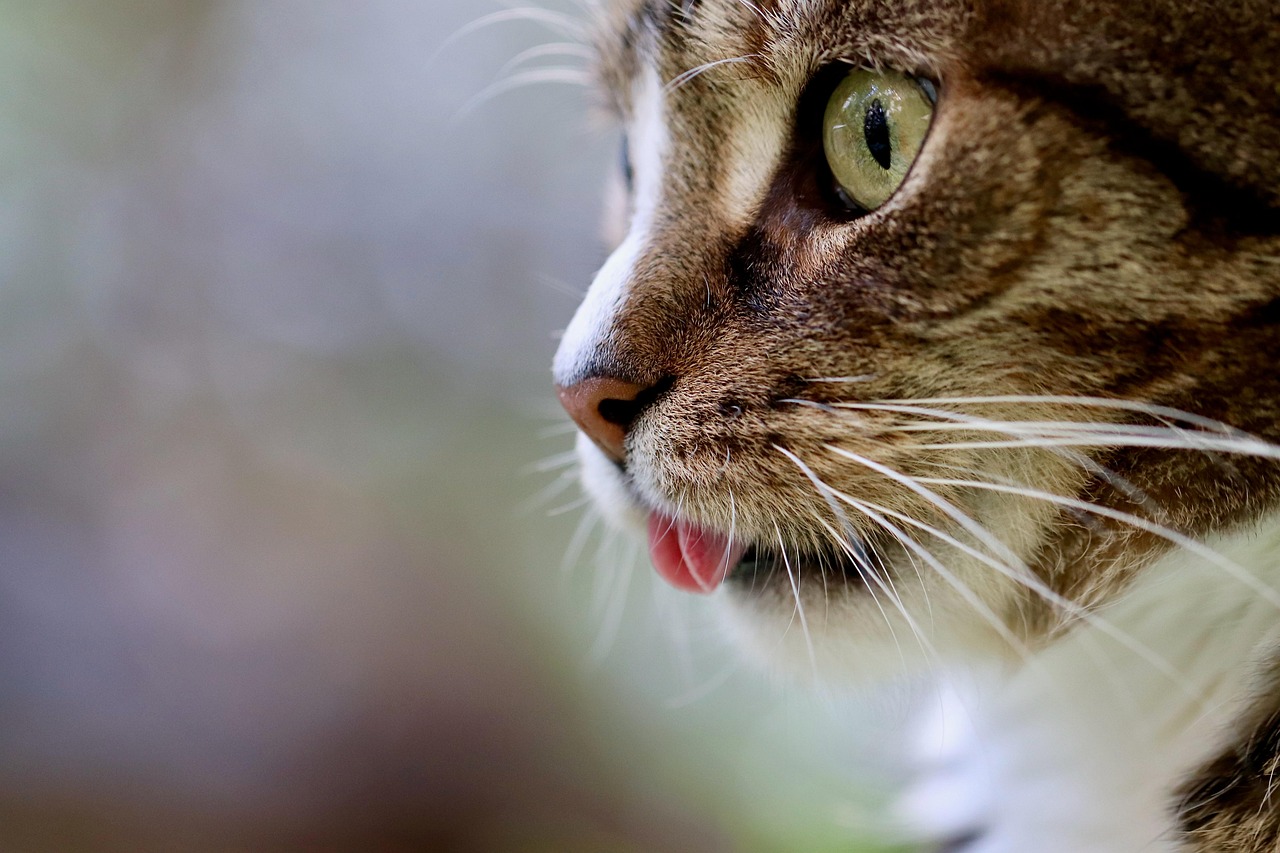

Balancing Play and Training: A Cat’s Daily Schedule
Creating a training schedule for your cat is essential to ensure a well-behaved and happy pet. Many cat owners underestimate the importance of structuring a day that balances both play and training. Start by designating specific training times throughout the day, ideally when your cat is most alert. It is beneficial to integrate shorter training sessions, lasting between 5 to 10 minutes. This helps maintain their focus and engagement. Be aware that cats often thrive on routine; a consistent schedule can help them feel secure. Incorporating playtime into the schedule is just as important as training. Cats are naturally playful, and allowing them time to expend energy through play can enhance their overall mood. Choose interactive toys that stimulate their hunting instincts, such as feather wands or laser pointers. Consider rotating the toys periodically to maintain interest. Finalize the daily routine by observing your cat’s response to training and play sessions. Adjust timings based on their reactions to ensure they remain enthusiastic and willing to participate. A well-structured schedule fosters a positive environment for learning and bonding.
Now that we have established the basics of a training schedule, it’s crucial to incorporate rewards effectively. Using treats as positive reinforcement can accelerate the learning process. Ensure that you choose healthy, small, and irresistible cat treats; this will keep your cat motivated. Whenever your cat successfully follows a command, be quick to reward them. This immediate reinforcement helps them associate good behavior with the treat. Besides treats, consider verbal praises or petting as forms of reward. Always maintain a cheerful demeanor during training to create a fun atmosphere. It is also important to track your cat’s progress and adjust the schedule accordingly. If they master a particular command or trick, move on to a more challenging task. However, be mindful of not overwhelming your cat with too many commands at once. This may cause frustration and reduce their desire to engage with training. Incorporate a balance of fun and seriousness in each session. Furthermore, ensure that you remain patient; every cat learns at their own pace, and fostering a supportive environment is key to a successful training journey.
Another vital aspect of creating a training schedule involves recognizing your cat’s energy levels throughout the day. Cats are crepuscular, meaning they are most active during twilight hours—dawn and dusk. Design your training sessions to coincide with these periods of heightened activity for best results. Observe your cat to determine their unique patterns and create a routine that caters to their natural instincts. For instance, if your cat tends to nap during the day, avoid scheduling training sessions during these times. Instead, plan sessions after their nap, as they will likely be more receptive and eager to learn. Additionally, flexibility is key; sometimes circumstances arise that require adjusting your training schedule. Don’t hesitate to adapt your routine according to what works best for you and your cat. Moreover, it’s essential to combine physical exercises with mental stimulation. Interactive play sessions can serve dual purposes: allowing your cat to burn off energy while reinforcing training concepts through play. This integrated approach not only enhances your cat’s learning but fosters a deeper bond between you both. Always prioritize balance to achieve a successful daily schedule.
Maintaining Consistency in Training
Consistency in your training approach is crucial to a cat’s learning success. Use the same verbal commands and gestures each time you teach a new skill. This clarity ensures that your cat understands what is expected, leading to quicker responses. Additionally, consistency should apply to training goals. Focus on one trick or command at a time, allowing your cat to master it before introducing new ones. Repetition is a key element in learning; practice makes perfect! Integrate short training sessions throughout the day rather than extending one long session. This method prevents information overload and keeps the experience enjoyable. Furthermore, timing is essential when delivering rewards. Ensure you give treats or praise immediately after your cat obeys a command. This practice reinforces the positive connection between the behavior and the reward, solidifying the lesson. Do not shy away from celebrating small milestones; every accomplishment deserves recognition. As your cat progresses, gradually increase the difficulty of tasks to challenge their abilities without frustrating them. This gradual approach ensures sustained interest and enthusiasm during training sessions; it automatically maintains engagement while learning new tasks.
Incorporating socialization within your cat’s daily schedule is another critical factor for balanced development. Exposure to various environments, sounds, and people can help them adapt and become more confident in different situations. Begin socialization at a young age, but even adult cats can benefit from new experiences. Arrange playdates with other friendly cats or visit places where your cat can safely interact with others. When introducing new experiences, do it gradually to avoid overwhelming your cat. Observing how they react helps guide future socialization efforts. Additionally, consider exposing your cat to multiple environments within your house—taking them to different rooms, letting them explore, and providing enriching activities can enhance their stimulation. Ensure the interactions are positive, safe, and supervised, signaling to your cat that the experience is enjoyable. Moreover, remember the importance of decompression time; after socializing or engaging in training, allow your cat some alone time to recharge. Every cat is unique; while some may thrive on social interaction, others may prefer solitude. Tailor your daily program to fit your cat’s personality and preferences, ensuring a well-rounded lifestyle.
Maintaining a balanced schedule also means being attentive to your cat’s overall health and well-being. Regular vet check-ups, proper nutrition, and hydration are fundamental to a thriving lifestyle. Ensure that your cat receives a balanced diet, appropriate for their age and activity level. Keep in mind the caloric intake, especially when offering treats during training sessions. Encourage hydration by providing fresh water daily and consider wet food to increase their fluid intake. Monitor your cat’s weight closely; a healthy weight contributes to better mobility and overall happiness. Additionally, exercise is pivotal in maintaining your cat’s physical health. Combine structured playtimes with their natural instincts, such as climbing or chasing. Scratching posts and cat trees can serve dual purposes, allowing fun while promoting exercise. Furthermore, be vigilant for signs of stress or anxiety in your cat, as it can affect their engagement in training activities. Notice behaviors like hiding or disrupted eating patterns, which may signal discomfort. Create a calm home environment, enriching it with cozy spots for relaxation. Always prioritize your cat’s mental and physical health to ensure a fulfilling life full of joy and exploration.
Conclusion: Achieving Harmony
A well-planned daily schedule incorporating play and training can significantly enhance your cat’s quality of life. From establishing consistent routines to being flexible with adjustments, every aspect contributes to success. Remember that patience and understanding are key when guiding your cat through their training journey. Always observe their reactions and adjust accordingly, ensuring they remain engaged and happy. By incorporating rewarding methods, socialization, and health considerations, you create a rounded experience for both of you. Celebrate every achievement, no matter how small, and build upon them in future sessions. Through a harmonious balance of play, training, and love, your cat will flourish both mentally and physically. This approach not only strengthens your bond but ensures a happy, well-adjusted feline companion. Embrace the journey of training and play as shared experiences that enrich your lives. Investing time in these moments fosters connection and trust. In essence, you will create a joyful environment where your cat thrives. A structured yet flexible schedule empowers your feline friend to learn, explore, and enjoy quality time daily. Enjoy every second, and both of you will reap the rewards of this joyful partnership!
Your cat deserves a well-balanced daily routine filled with training, play, and joy. Start configuring a schedule today that aligns with your cat’s energy levels and needs to see remarkable transformations.