
How to Introduce Your Socialized Dog to New Dogs While Traveling
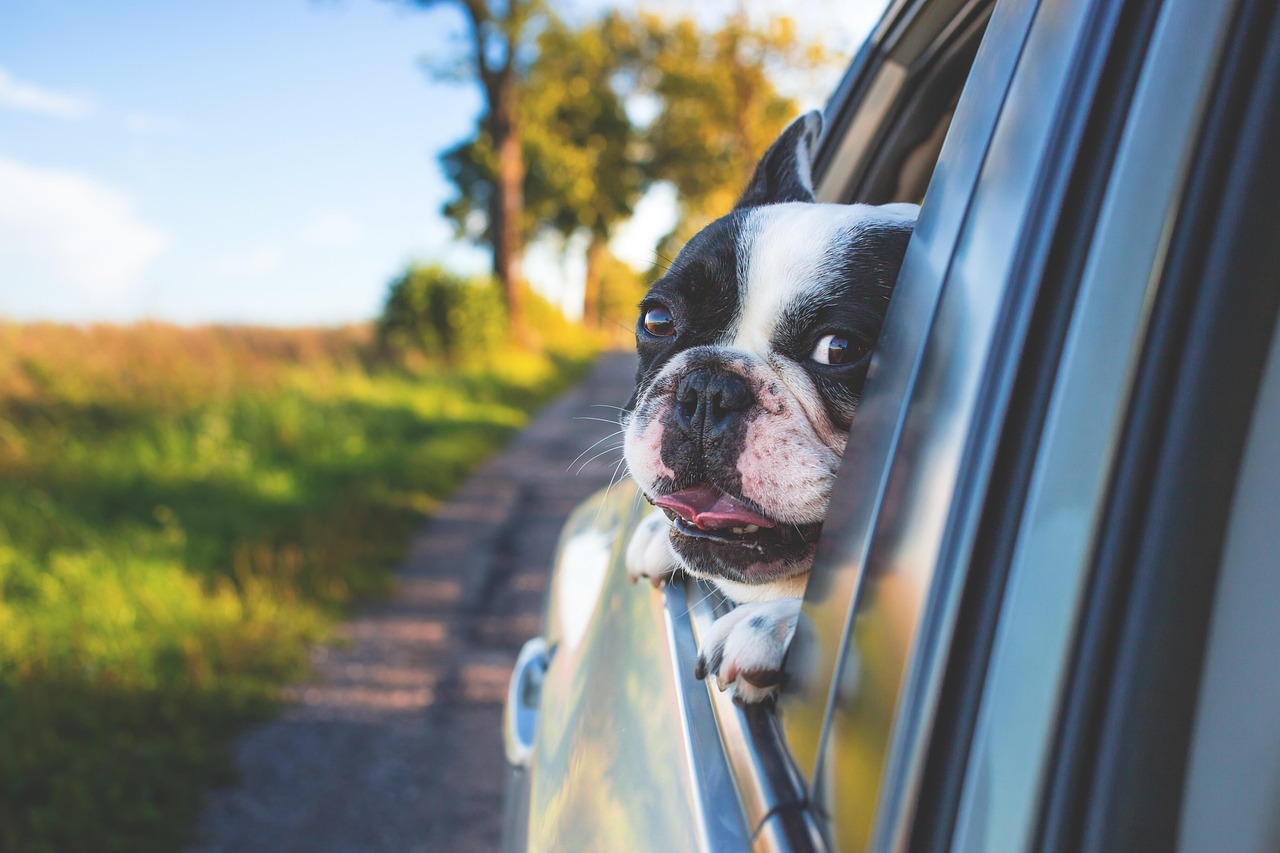
Traveling with your socialized dog can be a rewarding experience that both you and your furry companion will cherish. When you arrive in a new area, the sights and sounds might initially overwhelm your dog. Therefore, it’s crucial to create a comfortable environment. Begin by maintaining a calm demeanor as anxiety can transfer from you to your pet. Understanding your dog’s body language can significantly enhance the process. Signs of stress or discomfort should immediately be addressed. As you proceed, look out for opportunities to introduce your dog to other friendly dogs. Such interactions can enrich your dog’s travels and create lasting friendships. Ensure that both dogs are on leashes, which can help in controlling the encounter. Use high-value treats and praises to positively reinforce your dog’s good behavior. Take it slow. Allowing time to sniff each other can establish comfort. Finally, be prepared to cut the interaction short if it doesn’t go well. Setting your dog up for success ensures future socialization goes smoothly, making traveling more enjoyable for both of you.
Before you travel, it’s essential to plan your journey and consider dog-friendly locations. Research parks, beaches, or trails in your destination that welcome dogs. Ensuring these areas have other socialized dogs can foster positive interactions and experiences. Always carry essential travel gear for your dog, including water bowls, leashes, and waste disposal bags. This preparation not only helps you maintain your dog’s hygiene but also enhances your pet’s overall comfort during the trip. Be mindful of the weather conditions at your destination. Hot, humid, or very cold temperatures can affect a dog’s physical well-being. On hot days, consider scheduling walks for early morning or late evening when temperatures are cooler. Bringing along your dog’s favorite toys can provide comfort and maintain a sense of familiarity. Also, inform local dog parks’ regulations, as many require vaccinations and licenses. While traveling, ensure your dog is sociable with other dogs—disruptions can lead to anxiety for all parties involved. A relaxed and confident dog is more likely to enjoy and thrive in these social situations, ultimately making your trip more pleasurable.
Encouraging Positive Interactions
When you meet new dogs during your travels, take a few steps to encourage healthy and positive interactions. Begin by observing the first encounters before introducing your dog to others. Assess how new dogs are interacting with their owners and their general temperament. Every dog has its unique personality, and it’s important to recognize any signs of aggression or fear from the other dog. If possible, approach calmly and allow your dog to explore the new surroundings. You might try this approach in a neutral area rather than an enclosed space where territorial behavior might arise. Use friendly tones and gestures to create a positive atmosphere, as this can help ease any tension. Keep the leashes short but relaxed, allowing the dogs to approach slowly. Look for tail wagging, relaxed postures, and sniffing to indicate that both dogs are comfortable. Play is a good way to break the ice, but it’s vital that all dogs involved are healthy, well-socialized, and certified. Always watch how they react—some might prefer to observe rather than engage actively.
In scenarios where an encounter becomes stressful, it’s essential to have a plan in place. Calmly redirect your dog to another activity if they exhibit signs of unease. Whether it’s a game of fetch or simple commands, staying engaged can alleviate stress. It’s important to teach your dog commands like “leave it” or “come” which can be extremely useful in social settings. Sometimes, just moving away for a minute can allow both dogs to de-escalate their emotions. After the encounter, reward your dog with high-value treats or affection to solidify good behavior. This positive reinforcement can encourage them to be more open to future introductions. Additionally, keep an eye out for other dogs that may be overly excited, as they can sometimes be overwhelming. Use body language to gauge their comfort level, ensuring safety first. Most importantly, trust your instincts as a pet owner. If a situation feels wrong or alarming, prioritize your dog’s well-being and disengage. Traveling with your pet can be a joyful adventure when handled with care and foresight.
Visit Dog-Friendly Establishments
Another great way to ensure positive socialization experiences during your travels is to visit dog-friendly establishments. More restaurants, cafes, and hotels are opening their doors to dogs, creating a welcoming environment for your furry friend. As you look for dog-friendly spots, check online reviews or resources like BringFido to find the best options. Be sure to call ahead to verify their specific policies. These establishments often provide spaces for dogs to meet each other, which can be incredibly beneficial for socialization. Make sure you have some treats on hand so your dog can enjoy a reward while interacting with others. Sit in a patio or outdoor area where they can observe and connect with other patrons while still feeling secure beside you. Remember to keep your dog leashed and under control at all times. This not only keeps them safe but also offers peace of mind to other guests who may not be comfortable around dogs. Each positive experience can help build your dog’s confidence for future adventures.
When embarking on your travel adventures, consider looking for community events that allow dogs. Dog fairs, meet-ups, or even local parks often have designated playdates where owners can bring their socialized dogs. Participating in such gatherings facilitates your dog’s interaction with a variety of other dogs. This can help them acclimate to different breeds and personalities, further enriching their social skills. Check Facebook groups, Meetup pages, or local community boards for opportunities that align with your travel schedule. These events can also introduce you to fellow dog owners, giving you a chance to share stories and tips. Before deciding to attend, ensure the location is appropriate; wandering off-leash dogs may not always behave as expected. That said, attending community dog events can be a fun, engaging experience for you and your dog alike. You will discover new breeds, learn tips about training, and contribute to a sense of community. Staying proactive during these events often leads to more memorable travels for both you and your canine companions.
After the Trip – Reflect and Train
After returning home from your travels, reflect on the experiences both you and your dog encountered. Take the time to analyze which interactions were successful and which ones were not as positive. This evaluation allows for improvement in future travels. Additionally, investing time in training sessions after your adventure can help reinforce the lessons learned on the road. Use training sessions to practice introductions through controlled environments, enhancing behavioral responses. Consistency is key. Revisit any commands or skills your dog learned during the trip, as practice helps to reinforce behaviors. If your dog struggled with socializing during the trip, consider signing them up for obedience classes or socialization workshops. These structured settings can be excellent for building confidence and refining skills. Positive reinforcement remains crucial to ensure your dog feels safe and motivated to engage with new friends in the future. With every adventure, plan better, reflect more, and keep your dog’s socialization at the forefront. This approach can transform how you both enjoy traveling together.
In conclusion, traveling with socialized dogs can be an amazing journey full of new experiences. The way you introduce and interact with new dogs significantly affects your dog’s comfort and social skills. By understanding their body language, preparation, and setting up positive experiences, you can enhance your travels. Seek dog-friendly places and community events, and always opt for safety first. Remember, it’s all about creating a harmonious environment for your dog to thrive. With the right mindset and tools, you can navigate these encounters smoothly. Ensure that both you and your dog are prepared for every interaction with proper training. Reflect post-trip to identify growth opportunities for your dog’s future. Engaging in social situations confidently establishes a strong bond between you and your pet. Finally, enjoy every moment on your journey, as these adventures together create lifelong memories.