
Comparing Rubber vs. Tennis Balls: What’s Best for Your Dog?
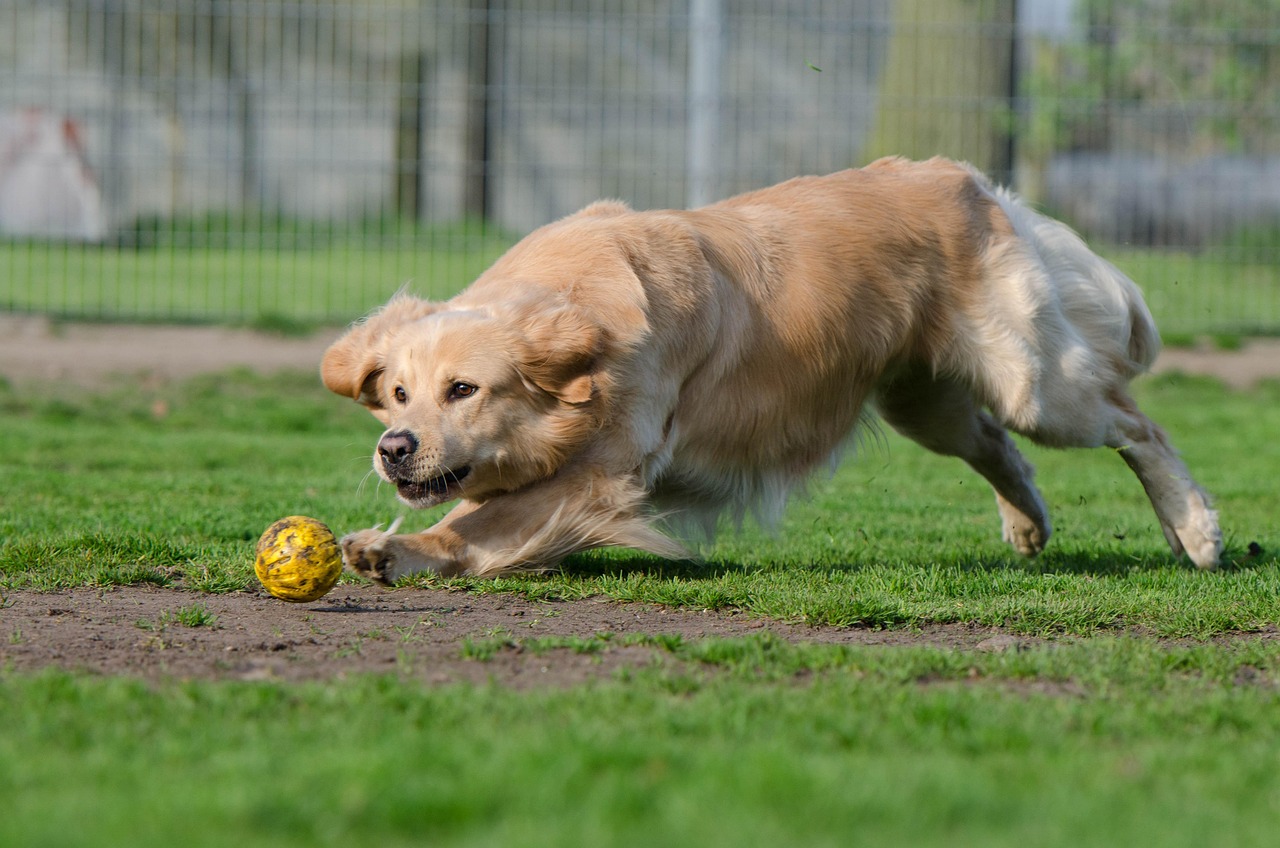
When it comes to choosing the right ball for your dog, two popular options often stand out: rubber balls and tennis balls. Rubber balls are known for their durability, making them ideal for aggressive chewers. They are less likely to break apart, providing a longer-lasting solution for interactive play. Additionally, rubber balls have a bounce that keeps dogs engaged during fetch sessions, stimulating their natural instincts. On the other hand, tennis balls are favored for their lightweight and soft texture, which is gentle on your dog’s teeth and gums. They also have a bright color that makes them easy to spot in the grass. However, tennis balls can wear down quickly, posing a choking hazard if pieces are swallowed. When evaluating options, consider your dog’s chewing habits, activity level, and size. Always supervise playtime to ensure safety and check for wear. Many pet owners prefer rubber for outdoor play, whereas tennis balls might be more suited for indoor fetch sessions. Ultimately, understanding your dog’s preferences will guide you in determining the most suitable choice.
Rubber balls typically come in a variety of sizes and shapes, catering to different breeds and playing styles. Depending on your dog’s size, you may opt for smaller balls for toy breeds or larger ones for big dogs. The textured surface of rubber balls often helps to clean your dog’s teeth while they chew, reducing plaque buildup and promoting dental health. Moreover, some rubber balls are designed with squeakers, adding an extra element of excitement during playtime. On the flip side, tennis balls are not designed for heavy chewing and may lose their shape quickly when used excessively. As a result, they’re best for dogs that prefer softer toys but may not stand up to powerful chewers. A common choice among pet owners is the combination of both types, using rubber balls for tough play and switching to tennis balls for gentle sessions. The variability in their properties makes them complementary tools for keeping your dog active. When it comes to safety, always choose high-quality options to reduce the risk of ingestion. Regularly inspect toys for damage and replace them as needed.
Durability and Safety in Dog Toys
Durability and safety are paramount when selecting toys for your furry friends. Rubber balls are generally more robust than tennis balls due to their construction. They are made from durable materials that can withstand heavy chewing, reducing the risk of the toy breaking apart during play. This durability is particularly important for dogs that tend to destroy their toys. Furthermore, many manufacturers create rubber balls that are designed to be non-toxic and safe for pets. They are less likely to cause injuries, and their robust nature means they can endure extensive use. In contrast, while tennis balls may be softer and easier for your dog to handle, their construction makes them less durable. The fuzz on a tennis ball can wear off over time, potentially causing your dog to ingest pieces during play. Additionally, the materials used in tennis balls may not always be pet-safe. To ensure your dog’s well-being, always check labels and opt for toys from reputable brands known for their quality. By prioritizing safety, you create a more enjoyable experience for your dog.
While considering the best option for your dog, it’s important to analyze your pet’s specific needs and preferences. Dogs have varying play styles; some may enjoy ongoing, intense fetch sessions, while others prefer more gentle play. For instance, a dog that loves to chew intensely may benefit more from rubber balls for their durability. Conversely, a less aggressive chewer may find just as much joy in a tennis ball. It’s also essential to recognize any health concerns or dietary restrictions your dog might have as certain materials can affect sensitive pets negatively. Monitoring your dog’s play behavior can provide insights into which type of ball is more preferred. You might find that your dog favors a specific ball over the other by observing their interactions. Additionally, creating a balance between different types of toys can keep your dog engaged and entertained. Consider alternating between rubber and tennis balls to maintain variety, so your dog doesn’t become bored. Each dog is unique, and discovering the right toy could enhance your bonding time significantly.
Environmental Considerations
Environmental impact is another significant aspect to consider when selecting dog toys. Rubber balls, though durable, can pose environmental concerns if not disposed of properly. However, many manufacturers are now creating recyclable or biodegradable options to address ecological issues. These advancements in production methods can help reduce waste and promote sustainability. Tennis balls, on the other hand, are often made of synthetic materials that are not as eco-friendly. As a result, when they wear down, they can contribute to landfill waste. Buying sustainably sourced toys aids in minimizing your overall carbon footprint. Moreover, consider the company’s practices regarding manufacturing materials, packaging, and distribution. Choosing brands that engage in environmentally responsible practices supports a healthier planet. Some companies offer exchange programs where you can return used balls for recycling or repurposing. By being mindful of your choices, you can contribute positively to the environment while ensuring your dog enjoys high-quality toys. Researching brands and their sustainability initiatives will allow you to make an informed decision that aligns with your values.
Budget is another crucial factor when choosing between rubber and tennis balls for your dog. While both types offer unique advantages, prices can vary significantly depending on quality and brand. Generally, rubber balls tend to be more expensive due to their durability and fabrication process. However, investing in a high-quality rubber ball can save you money in the long run, as it may not need replacing as often as cheaper options. Tennis balls are typically cheaper per unit, but as they cannot withstand heavy chewing, you might need to buy them more frequently than rubber ones. Additionally, exploring multi-pack options can often provide better value in the long run for tennis balls. Ultimately, consider the longevity of the toy alongside your budget when making selections. Balancing quality, safety, and cost presents an informed compromise. By understanding your dog’s needs and behavior, you can choose a toy that fits not only your budget but also your pet’s preferences. Making the right choice enhances your dog’s playtime experiences and contributes to their overall happiness.
Interactive Play and Engagement
Engaging your dog through playtime is essential for their physical and mental well-being. The type of ball you choose can significantly influence how interactive and stimulating these sessions become. Rubber balls often provide more versatility in play, as they can bounce higher and be thrown farther, invoking your dog’s instinctual chase. This increased activity strengthens the bond between pet and owner. Tennis balls, while traditionally used for fetch, might not hold the same excitement for dogs who require more vigorous interactive play. However, combining different toys can create a dynamic play environment. Incorporating puzzle games, where dogs come up with strategies to retrieve balls, can contribute positively to their cognitive development. Switching between rubber and tennis balls allows their experience to remain fresh and exciting. Additionally, involving other pets in playtime can enhance social skills and reduce anxiety. Utilizing both types teases out versatility in how dogs engage with their surroundings. Always motivate playtime with positive reinforcement to encourage joyous responses. In assessing which ball is best, keep interaction levels as a core consideration for your dog’s happiness.
In conclusion, choosing between rubber and tennis balls for your dog is a multifaceted decision that encompasses durability, safety, play style, and personal preference. Both options offer unique benefits suited to different characteristics of dogs, making it necessary to identify what resonates best with your pet. Rubber balls provide robust construction, ensuring longevity while catering to aggressive chewers. Meanwhile, tennis balls are favored for their lightweight and soft nature, ideal for gentle play. Additionally, considering factors such as environmental impact and budget can further foster an informed choice, ultimately leading to a happier dog. Engaging your dog in interactive play is key to maintaining their overall health and happiness, no matter which ball you choose. To find the perfect fit, it’s advisable to observe your dog’s behavior during playtime, adjusting your choices based on their needs. By cultivating awareness of both rubber and tennis ball advantages, you foster a rewarding experience for you and your dog. Thus, whether you lean towards rubber or tennis, the aim remains the same: a well-played, healthy, and fulfilled dog at home.