
Best Practices for Treating Flea Infestations in Dogs and Home
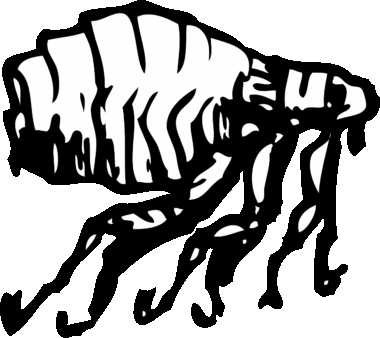
Flea infestations can be troublesome for both dogs and their owners. The first step in managing fleas is to understand the life cycle of these pests. Fleas thrive in warm, humid environments, making homes with pets particularly prone to infestations. Adult fleas lay eggs in your dog’s fur, which fall into bedding and carpets, facilitating rapid growth. To combat this, regular grooming is essential. Use a fine-toothed flea comb, focusing on areas like the neck and base of the tail. It’s also advisable to include a flea preventive treatment, which works systemically to eliminate existing fleas while preventing new ones from taking hold. This could be in the form of topical treatments or oral medications prescribed by your veterinarian. Keep a clean environment by frequently vacuuming rugs, carpets, and furniture, plus washing your dog’s bedding to remove any stray fleas and eggs. If fleas persist, consider consulting pest control professionals for additional solutions. Using the right approach can help keep your dog and home flea-free, improving everyone’s quality of life.
In addition to grooming and topical treatments, it’s crucial to treat your home to eliminate fleas effectively. Start by removing clutter, as it provides hiding spots for fleas throughout your space. Vacuuming carpets and floors should be done regularly, ensuring you dispose of the vacuum bag immediately afterward to prevent re-infestation. When vacuuming, pay extra attention to corners, under furniture, and any other areas where your dog typically rests. Consider using a steam cleaner on carpets and upholstery, as the heat can kill fleas in all life stages, including eggs and larvae. In addition to vacuuming, an effective supplement to keep fleas at bay is to use insect growth regulators (IGR). These products target the flea’s ability to reproduce, preventing future infestations. Implementing flea traps around your home can also provide a supplement to the established regimen, effectively catching adult fleas. Monitor your dog’s behavior for signs of fleas, such as excessive scratching or biting, and adjust your flea control methods as necessary. Preventive measures and prompt treatment are vital in maintaining a flea-free environment.
Understanding Flea Treatments
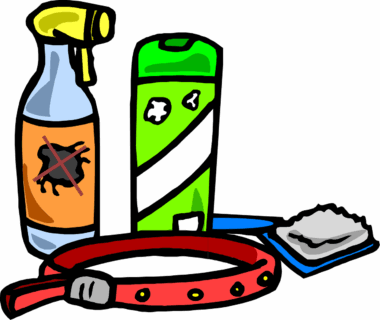
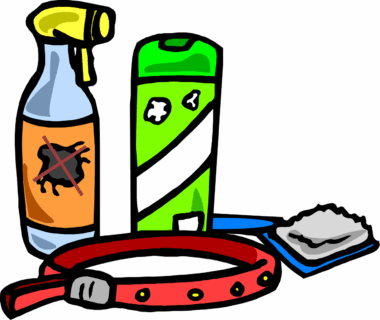
Selecting the right flea treatment is critical for your dog’s health. There are numerous options available on the market, including topical treatments, oral medications, and even collars. Topical treatments typically contain potent insecticides that kill fleas on contact and often have residual effects. Oral medications generally work to provide systemic protection, meaning they enter your dog’s bloodstream and target fleas when they bite. Flea collars offer a convenient long-term solution but may vary in effectiveness. When choosing products, consulting your veterinarian can help in finding what is best for your dog’s age, weight, and health condition. It’s essential to read labels carefully, as some products are not safe for puppies, while others may not be compatible with specific health issues. Always follow the recommended dosages and instructions to avoid harmful side effects. Regular monitoring of your pet after administering treatment will help you track its effectiveness and identify any reactions. Remember to discuss any concerns with your vet to ensure optimal choices for your dog’s flea control.
Using natural remedies can also be an attractive alternative for flea control. Many dog owners prefer organic or natural products due to concerns over chemicals. Essential oils such as peppermint, lavender, and cedar have been known to repel fleas without the harsh effects of traditional treatments. You can create a homemade spray using these oils diluted with water to treat your dog’s skin and bedding. However, it’s important to avoid certain oils that are toxic to dogs, so always research beforehand. Another effective natural preventive measure involves the use of diatomaceous earth. This fine powder safely dries out fleas by damaging their exoskeletons without harming your pet. Sprinkle diatomaceous earth in areas where fleas are likely to thrive, such as carpets and bedding, and leave it for a few hours before vacuuming. Keep in mind that effectiveness might vary, and combining natural methods with conventional treatments often yields the best results. Ensure you monitor your dog for any allergic reactions and consult with your vet whenever embarking on a new treatment regime.
Maintaining a Flea-Free Environment
Creating a flea-free environment requires consistent efforts from all dog owners. Start by establishing a regular cleaning routine, which includes vacuuming floors, rugs, and furniture multiple times a week. Pay attention to areas your dog frequents, as these are the prime targets for flea infestations. Wash your pet’s bedding weekly in hot water, using a suitable detergent to eliminate any remaining flea eggs or larvae. In addition to routine cleaning, ensuring your yard is well-maintained can significantly reduce flea habitats. Trim bushes and grass, as tall vegetation can attract wildlife that carry fleas. A dry yard also deters fleas, so controlling moisture levels can substantially contribute to pest prevention. Use natural barriers, such as planting marigolds, which may repel fleas and other pests. Consult with local pest control regarding outdoor treatments if infestations persist in your yard. Remember that seasonal changes can affect flea populations, so be proactive in your treatment strategy, especially during warmer months. By staying vigilant and proactive, you can create a safe space for your dog.
Advanced treatments may be necessary if flea problems continue to recur. Many products are now available that target flea eggs and larvae in addition to adult fleas, providing comprehensive solutions. Products containing Methoprene or Pyriproxyfen are often effective, as they inhibit growth and prevent fleas from progressing into adulthood. Additionally, integrating flea control into your dog’s regular wellness routine can be beneficial. Regular check-ups with the vet help monitor external parasites and adjust treatment plans accordingly. Some dog owners find it useful to consult pet groomers who offer specialized flea treatments during baths or grooming sessions. Scheduled appointments ensure that preventative measures remain consistent. Seek out flea control solutions tailored to the specific needs of your dog. Understanding and adapting to your pet’s unique challenges is important for success. Keep a close eye on your dog after treatments, documenting their reactions and any changes observed. Establishing a dialogue with your vet can optimize your strategy, combining effective treatments with a comfortable routine for your furry friend.
In Conclusion
Ultimately, managing flea infestations in dogs and at home is a collective effort. Understanding the behaviors and life cycle of fleas plays a crucial role in determining successful treatments. Regular grooming, effective home maintenance, and diligent evidence of flea activity will contribute to overall flea control success. By selecting appropriate treatments catered to both your dog and your living environment, further complications can be avoided. Engage with your veterinarian to ensure you remain updated about new flea control methods or products on the market. Combining traditional treatments with natural remedies may offer the best overall approach while considering your pet’s comfort. Always maintain open communication with your dog, as signs of irritation or discomfort may signify underlying flea issues. Also, educating other household members about flea prevention will ensure a unified effort. Consistency is vital, and setting up a regular cleaning and treatment schedule will yield the best results. Adopting these best practices will contribute to a happier, healthier life for both you and your dog, fostering a positive dog-parent relationship.
Your commitment to flea control will reflect positively in your dog’s well-being. Stay proactive, and consider all aspects of controlling these pests. By working diligently with the guidance of your vet, you can create an environment free from fleas, allowing for a more enjoyable companionship with your beloved pet.