
Designing Rescue Cat Rooms: Space and Security
Creating a safe and comfortable environment for rescued cats is essential for their well-being. This involves designing specialized rooms equipped with safety features, spacious layouts, and enriching elements. Prioritize safety by selecting non-toxic materials and feline-friendly furniture. It’s crucial to eliminate any sharp objects or toxic substances that could pose a risk. Your design should allow for easy cleaning and maintenance while providing adequate privacy for each cat. Consider incorporating hideaways like cubed cat beds or shelves that cats can retreat to for solitude, reducing stress and improving security. Keep litter boxes grouped away from eating and drinking stations to encourage hygiene. The use of vertical space is vital in a rescue cat room. Cat trees, shelves, and tunnels can stimulate natural climbing instincts and encourage exercise. Secure heavy furniture to the wall to prevent tipping. Safety also extends to proper ventilation, lighting, and temperature control to keep cats comfortable. Before finalizing your design, test the layout with different furnishings to see how your feline friends interact. This collaborative approach ensures a happy and safe living space for all rescued cats.
Essentials for Cat Safety
Designing a safe room for rescued cats necessitates a thorough understanding of their needs. Begin by examining the flooring options available; opt for durable, slip-resistant materials rather than slippery surfaces. Ideally, the room should have absorbent floors that are easy to clean, like sealed wood or tile. Incorporate multiple escape routes through cat doors or escape ramps that enable each cat to feel safe and secure. Ensure that any windows are adequately secured with screens to prevent accidents. Employing barriers, such as gates or cat-proofing kits, can also help contain areas for cats that require extra supervision. Including scratching posts, tunnels, and perches not only entertains but also channels their natural behaviors. Moreover, inadequate hiding spots can lead to stress. Thus, include plenty of boxes and beds throughout the room where cats can escape and feel hidden when needed. Lights should softly illuminate the rooms at all times, offering a cozy environment while avoiding any harsh glare that could frighten the cats. Finally, regularly assess these safety features as they grow and change in personality to adapt to their evolving needs.
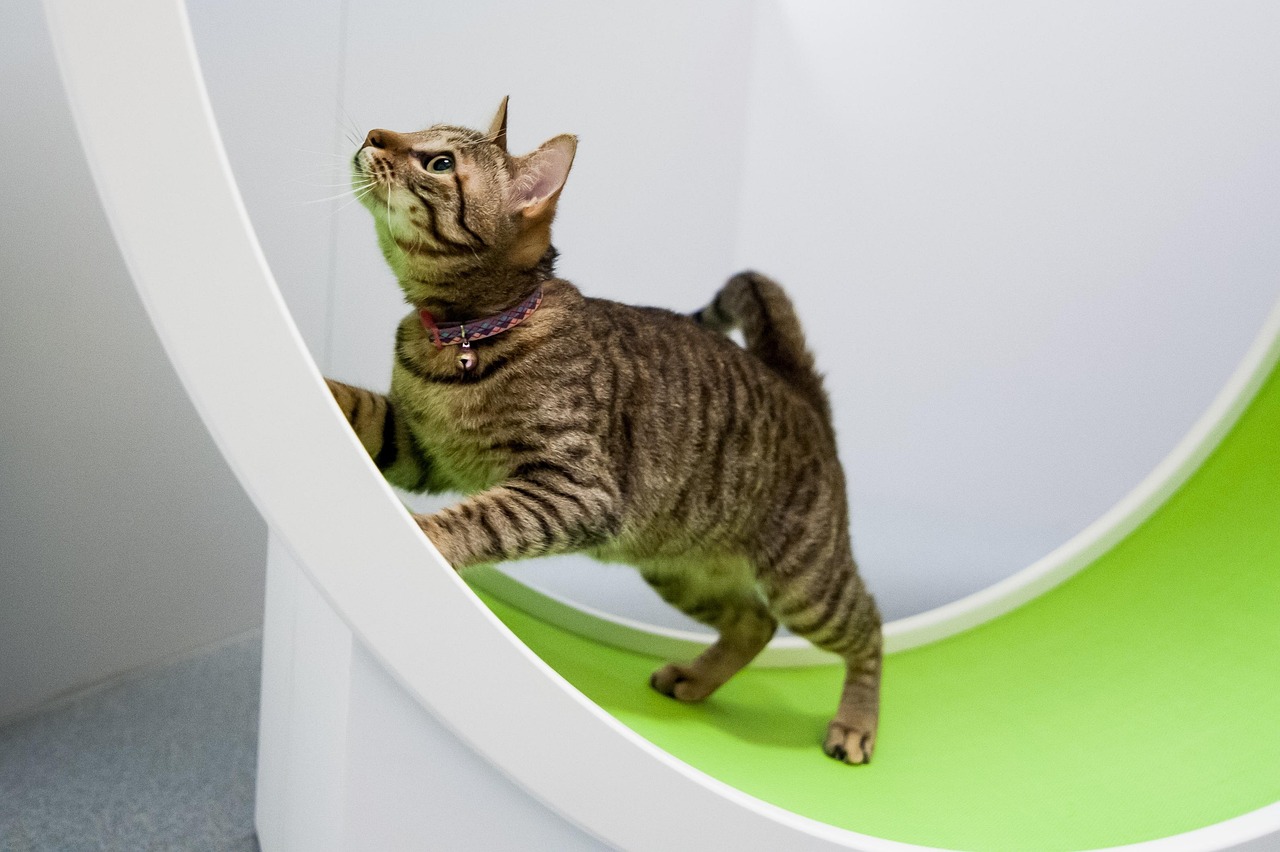
The layout of your rescue cat room holds great importance in facilitating play and exploration. A well-planned room will facilitate natural behavior, vital for mental health and physical fitness. Zoning can help delineate resting areas, play zones, eating areas, and litter box regions. Select open layouts that encourage movement and activity, promoting social interaction among cats. Furnish the room with engaging toys and scratching materials to stimulate their curiosity. Use interactive devices that can help cats exercise and maintain their health over time. Consider installing window perches to provide entertainment as cats observe the outside world. This allows cats to experience some variation in their environment while remaining safe indoors. The inclusion of climbing structures is essential, as cats naturally love to climb. Placing shelves varying in height will engage different levels of activity. Utilize space wisely by incorporating multi-functional furniture that serves as both a resting space and play area. Finally, regularly change the room layout to provide novelty. Cats thrive on variety, so shake things up to keep them interested and encourage more active lifestyles.
Creating Comfort Zones
Creating specific comfort zones in the rescue cat room is crucial for reducing stress and promoting well-being. Each cat differs in temperament and preferences, meaning some will thrive in group settings, while others need solitude. Divide the room into areas that cater to various feline personalities by utilizing furniture and walls as separators. As a rule, provide hidden spaces using cat trees and soft beds for those cats that seek privacy. In contrast, offer open spaces with ample enrichment options like toys and climbing structures for the more social cats. Ensure that food and water stations are accessible yet distinct from litter boxes. This helps maintain cleanliness, creating an inviting environment for all. The right ambient temperature is critical as well; a comfortable range helps prevent stress. Consider including heating pads or cooling mats to enhance comfort in extreme temperatures. Regularly assess environmental factors like humidity and air quality. Artificial lighting should replicate natural daylight cycles to create a healthy indoor environment. Introducing soft, calming music can create an atmosphere of tranquility and support a relaxed ambiance for the cats.
Socialization plays an instrumental role in the successful transition of rescued cats to their new environments. Providing multiple safe spaces allows cats to interact on their terms, promoting the development of their social skills over time. Remote monitor systems can help you supervise interactions closely, ensuring that cats are given the space they need without fear of being cornered. Regularly rotating group-fostered animals within this space can aid their acclimatization to other felines. Creating an area where humans can engage with them — through slow, gentle interactions — builds their trust. Introduce calming pheromones or utilize interactive toys to encourage playtime and bonding experiences. Keep track of each cat’s unique personality and preferences during these interactions, making adjustments as needed to foster comfort. Utilize treats and toys as positive reinforcement during visits, inviting them to seek companionship and comfort from both humans and fellow cats. Additionally, ensure that every socialization session is short and engaging, gradually increasing time as cats become more at ease with their new environments. Empowering the cats with choices in their interactions can significantly enhance their experience and help reduce stress levels.
Maintenance of Cat Rooms
Maintaining the cleanliness and hygiene of rescue cat rooms is critical for their health and well-being. Regular cleaning routines must be adhered to ensure that every corner of the room remains spotless, helping prevent the spread of diseases. Assign specific days for cleaning litter boxes and changing out the bedding. Daily inspections will catch any buildup before it becomes problematic, ensuring a fresh environment every day. Set aside time weekly to deep clean surfaces, using pet-safe cleaners that do not contain harmful chemicals. Rotating the toys and scratching post materials also contributes to interest and reduces wear over time. Provide designated areas for food, water, and litter to streamline the cleaning process. Avoid clutter as this can harbor germs and impact movement and safety within the space. Invest in proper ventilation to ensure good air circulation and eliminate any unpleasant odors. Regular veterinary check-ups are equally essential; vaccinations help maintain a healthy environment. Creating systems for monitoring behavior and health metrics ensures early detection of issues before they escalate. Foster an ongoing cycle of cleanliness, investigation, and care to ensure that these encapsulated spaces remain haven-like for the rescued cats.
In conclusion, designing rescue cat rooms requires thoughtful consideration of space, safety, and comfort. The layout and furnishings chosen must prioritize the physical and emotional needs of cats. Flexibility in design is key, allowing changes as individual cat personalities present themselves. Both vertical and horizontal spaces should be utilized, encouraging exploration and play. Ensure that hygiene practices are implemented alongside design for a truly effective rescue environment. To aid in socialization, engage with the cats through various recommended methods while also providing them with areas that are distinctly separate from one another. This allows stressed or shy cats to seek isolation and not feel pressured. Accommodating their instincts, such as hiding and climbing, is equally vital for restoration and rehabilitation. One must also remain vigilant in assessing their changing needs over time. Consistently adapting the space as needed will encourage a thriving environment. Take into account their need for security, access to natural light, and interaction opportunities. By emphasizing love and care in the design process, we create foster environments that promote healing and happiness in these rescued cats.