
Senior Cat Grooming: Tips for Maintaining a Healthy Coat
Caring for a senior cat’s coat is essential for their overall health and well-being. As cats age, grooming becomes even more important due to potential mobility issues and declining health. Regular grooming helps to prevent matting, which can be painful and uncomfortable for senior cats. It also allows for early detection of any skin problems, lumps, or parasites that might not be immediately visible. Additionally, the act of grooming can boost your cat’s circulation and promote a comfortable bonding experience between you and your furry friend. Ensure you have the right tools tailored for your cat’s coat type. Options such as slicker brushes, combs, and deshedding tools will be beneficial. Avoid using human grooming tools, as they can be too harsh for feline skin. With patience and a gentle touch, you can make grooming a relaxing routine that your senior cat enjoys. Create a comfortable grooming area where your cat feels safe and secure. Set aside a specific time each week for grooming to establish consistency in their routine. This preparation encourages cooperation during grooming sessions, ultimately supporting your cat’s happiness.
Understanding Coat Changes in Senior Cats
As cats enter their senior years, significant changes in their coats are often observed. These changes may include thinning fur, increased dander, and alterations in color or texture. Older cats may develop a dull appearance due to decreased oil production in their skin. Lack of grooming from the cat can exacerbate this, leading to matting and discomfort. Therefore, regular grooming is necessary to maintain the coat’s health and luster. Also, consider their diet, as malnutrition can affect the quality of the coat. Ensuring that your senior cat receives a balanced diet rich in essential fatty acids can enhance the appearance of their fur. Additionally, hydration plays an important role. Older cats are often less inclined to drink water, leading to dry skin and fur. Providing fresh water daily and incorporating wet food can help combat this issue. Moreover, environmental factors, such as dry air in the home, can affect their coat. Maintaining a comfortable humidity level aids in keeping senior cats’ coats healthy. Visiting your veterinarian for annual check-ups will help track any significant changes in your cat’s overall health and grooming needs.
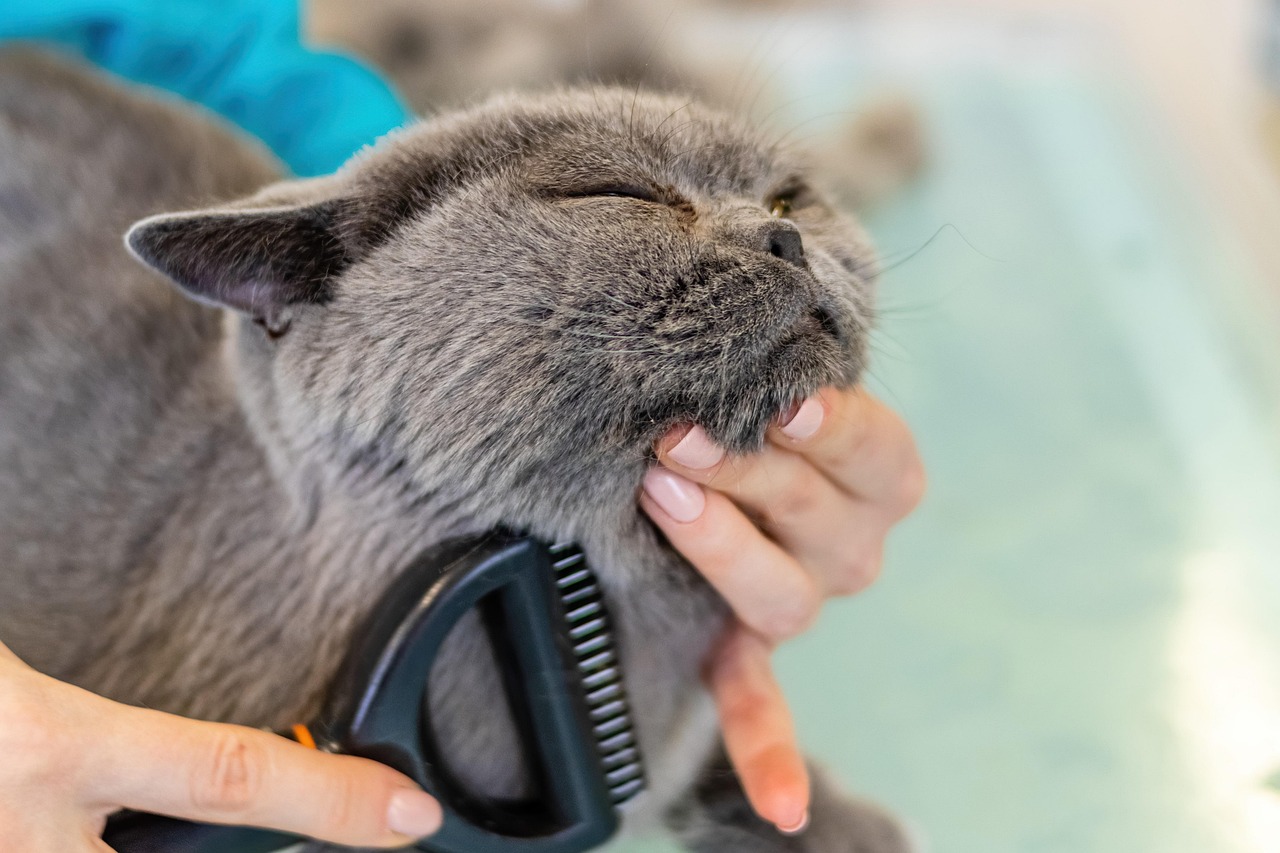
When grooming your senior cat, it is critical to approach it with gentleness and patience, especially if they become anxious or uncomfortable. Senior cats may resist grooming due to their age-related sensitivities or joint pain. Take time to assess your cat’s comfort level, providing encouragement and positive reinforcement. Treats and calming words can help build trust and ease anxiety. Start with short grooming sessions and gradually increase the length over time. Focus on sensitive areas like the belly or paws first, using light strokes and observing your cat’s reactions. Longhaired cats may require more frequent grooming, as tangled fur becomes more common if neglected. Aim for a suitable schedule, typically every couple of days, to keep their coat in check. Utilize techniques like parting the fur and brushing in the direction of hair growth to avoid pulling. For shorthaired cats, weekly grooming should suffice to remove loose hairs and dirt. Always end sessions on a positive note, perhaps with extra petting or a treat, reinforcing the idea that grooming is a pleasurable experience for your senior cat.
Dealing with Matting and Fur Loss
Matting is a common issue for senior cats and can lead to skin problems if not taken care of promptly. As cats age, their mobility may decrease, making it difficult for them to groom themselves effectively. Regular brushing can help prevent mats from forming, but if mats do occur, they should be addressed quickly. Never attempt to force a mat out; instead, use the correct grooming tool to gently work through it. A mat splitter or comb specifically designed for cats can help in these situations. If the mat is too severe, consider consulting a professional groomer or your veterinarian for assistance. Maintaining a cat’s coat also involves being aware of any excessive fur loss, which can indicate underlying health conditions such as thyroid issues or allergies. If you notice unusual shedding, take a moment to inspect your cat’s skin for irritation or bald spots. Additionally, a veterinarian visit may be warranted to explore potential health concerns. Regular checks, combined with proactive grooming, can contribute to a healthier coat and happier cat as they age.
Bathing should generally be avoided for senior cats unless absolutely necessary. Cats are known for their self-grooming skills, and too much bathing can strip the coat of essential oils. However, if your cat has gotten into something sticky or has developed skin conditions that require medicated baths, it may be necessary to bathe them. Always use a shampoo specifically formulated for cats, as human products can be harmful. When bathing a senior cat, take extreme care to ensure their safety. Use warm water, and avoid getting water in their ears and eyes. Have everything you need within reach to keep the bathing session quick and stress-free. After bathing, thoroughly dry your cat with a soft towel and consider using a pet-safe dryer on a low setting if they tolerate it. Following a bath, it’s vital to monitor your cat for any signs of stress or discomfort. Watching for anything unusual post-bathing is essential. If they seem unwell or hesitant to groom themselves, there could be an issue that needs a veterinarian’s attention, particularly for seniors who may struggle more with adjusting than younger cats.
Regular Veterinary Visits and Grooming Awareness
Your senior cat’s grooming routine should include regular veterinary visits to ensure they remain healthy and comfortable. Veterinary check-ups are essential in monitoring changes in coat condition that could indicate underlying health issues. These visits can provide insights into weight, skin health, and other vital areas of concern that evolve with age. Additionally, consult your veterinarian about the appropriate grooming frequency and techniques for your senior cat. They can make personalized recommendations based on the cat’s health and coat condition. Being proactive with your cat’s grooming and health check-ups leads to a happier and more comfortable pet. Also, educate yourself on your specific cat breed’s grooming needs, as some breeds have unique characteristics requiring specific attention. Understanding these nuances can aid you in caring for your senior cat better. Online resources, books, and reputable pet care websites can be excellent tools for learning effective grooming practices. Through a combination of veterinary advice and consistent grooming, you can not only maintain your senior cat’s coat but also contribute to their overall well-being and quality of life as they age.
Ultimately, grooming your senior cat is not just about maintaining their coat; it’s composed of a comprehensive approach to overall health and happiness. Create a nurturing grooming environment, offering comfort and safety while grooming. Use it as an opportunity to bond with your cat, slowly building their trust and keeping them relaxed throughout the process. Pay attention to any signs that indicate discomfort, and modify your techniques to suit their needs better. Aim to incorporate grooming into playtime if your cat enjoys interactive activities. This will enhance the experience, ensuring that your senior cat associates grooming with enjoyable moments rather than stress. A calm environment, filled with positive affirmations, will contribute significantly to their cooperation. Additionally, recognize that every senior cat is unique; what works for one might not suit another. So stay flexible, open to trying different grooming strategies until you find the best fit. Over time, this routine can foster a positive connection, ultimately enriching the life of your beloved senior cat and ensuring they shine with health as they age.
Furthermore, consider the impact of seasonal changes on your cat’s grooming routine. During shedding seasons, such as spring and fall, you may notice a dramatic increase in loose fur that needs to be dealt with more actively. It’s during these times that regular grooming becomes even more crucial, preventing excessive fur from cluttering your home and keeping your senior cat comfortable. Increased brushing can help minimize shedding and reduce hairballs, which can be particularly troublesome for older cats. If your cat shows signs of stress or discomfort during shedding seasons, consider using calming products or pheromones to ease anxiety. Always ensure to monitor their skin for any adverse reactions during seasonal changes. In preparing for transitions between hot and cold weather, also evaluate your senior cat’s living conditions to guarantee comfort. Providing cozy spots for warmth in winter and cooler areas during the heat of summer can prevent unnecessary discomfort and promote well-being. Whether through regular grooming or providing suitable environments, keeping your senior cat healthy and happy should always be the primary focus.