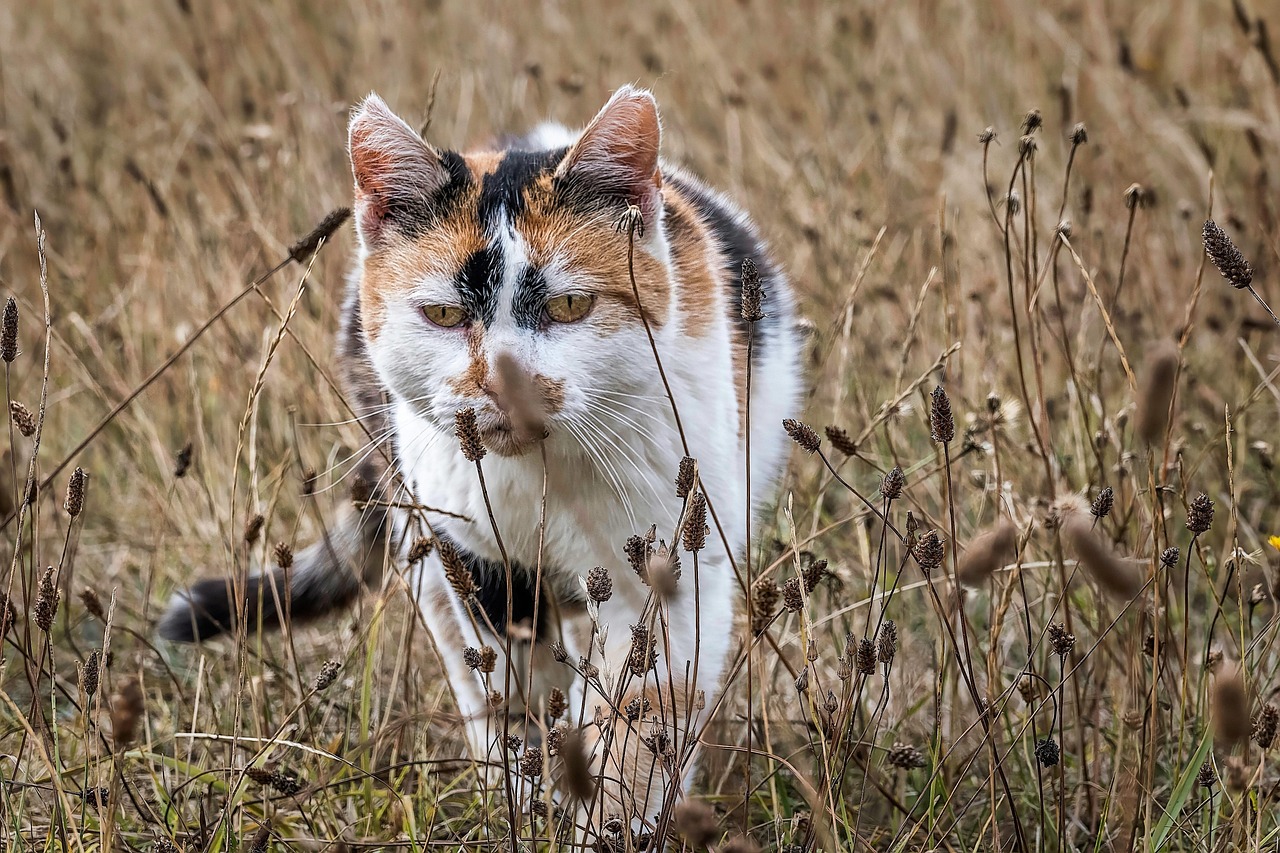

Feeding Behavior and Food Preferences in Cats
Understanding the feeding behavior of domestic cats is essential for ensuring their health and well-being. Cats are obligate carnivores, which means they require a diet high in animal protein to thrive. This preference is not merely due to taste but is deeply rooted in their evolutionary adaptations. Cats typically exhibit different feeding habits based on their environment. Indoor cats may develop unique preferences influenced by their owners and available commercial diets. Outdoor cats, on the other hand, are more likely to hunt and consume prey, which influences their nutritional needs. Additionally, factors such as age, breed, and health status can impact a cat’s food preferences. Younger cats might prefer softer textures and more palatable flavors while older cats may require specific nutrients for aging. Their instinctual behavior often leads them to consume small, frequent meals throughout the day. To cater to these needs, providing a variety of protein sources and textures in their diet can help satisfy their natural instincts. Understanding these dynamics can aid cat owners in making informed dietary choices for their feline companions.
Cats exhibit a range of preferences for different food types, which can influence their overall health. When analyzing their dietary choices, it is important to note the difference between wet and dry food. Many cats prefer wet food due to its aroma, moisture content, and palatability. In contrast, some cats may favor dry food for convenience and texture. The choice between these types can also depend on several considerations, including dental health. Dry food can help promote better oral hygiene by reducing plaque accumulation. However, wet food helps ensure adequate hydration, essential for preventing urinary issues, common in cat health. Additionally, owners should consider including a mix of both types to create a balanced diet. The addition of treats is another area worth exploring since cats often enjoy occasional snacks. Treats should be healthy and nutritious while being used sparingly, approximately 10% of their daily calorie intake. By understanding these preferences, owners can develop a tailored feeding strategy that aligns with their cat’s unique needs and habits, ensuring a happy and healthy feline companion.
Influence of Environment on Feeding Behaviors
The environment in which a cat lives plays a significant role in shaping its feeding behaviors. Cats are sensitive creatures that respond to both physical and psychological factors surrounding them. For example, various environmental stimuli, including the presence of other pets or loud noises, can impact their appetite. In busy households, a cat may hesitate to eat if it feels anxious or threatened. Cats are naturally solitary hunters, and providing a calm, quiet space during meal times can encourage relaxed eating behavior. Additionally, the feeding schedule established by their owners can further influence their food preferences. Cats suffering from food insecurity may develop aggressive behaviors during feeding times. To mitigate this, some owners might choose to implement free feeding, providing food throughout the day. However, many experts suggest scheduled feedings to help regulate portions and prevent overeating. It’s also worth noting that environmental changes like relocation or the introduction of new family members can affect their willingness to eat. By remaining aware and adapting to these environmental factors, cat owners can cultivate a more positive feeding experience for their pets.
Another aspect to consider is how the type of food offered can reflect a cat’s natural hunting instincts. Cats have a highly developed sense of smell and taste, allowing them to detect and prefer certain food aromas and flavors. The presence of meat-based ingredients tends to stimulate their appetite, making them more likely to enjoy their meals. Ingredients that mimic their natural prey, such as fish, chicken, or beef, often entice them further. Even the presentation of food can significantly impact their food preferences and willingness to eat. Some cats prefer their food served in shallow dishes over deep ones, while others might enjoy elevated feeding stations. Customized feeding solutions that cater to these preferences can make mealtime more enjoyable and fulfilling for cats. Additionally, offering varied flavors and textures can keep meals exciting and appealing. Cats may lose interest in a single type of food over time; providing frequent changes or enticing additions can prevent this. By offering diverse meal options that stimulate their senses, owners can enhance their cat’s overall feeding experience.
Health Considerations in Feeding
Health considerations are paramount when devising a feeding plan for cats. Special dietary needs may arise due to age, breed, or specific health concerns, such as obesity, diabetes, or allergies. For instance, senior cats may require diets fortified with joint-supporting ingredients or lower-calorie options to maintain an ideal weight. Additionally, cats diagnosed with food allergies may need to avoid particular ingredients, necessitating the selection of specially formulated hypoallergenic cat foods. In contrast, cats with dental or kidney issues may benefit from moist food that is easier to chew and digest. Regular consultations with a veterinarian can help guide potential dietary changes based on an analysis of their health. Owners should remain vigilant about weight management since obesity in cats can lead to severe health complications. Monitoring their food intake and ensuring a balanced diet tailored to their needs can significantly improve a cat’s quality of life. Furthermore, regular check-ups can facilitate timely detection of health issues related to nutrition. Ultimately, prioritizing health considerations will lead to better outcomes and happier, healthier cats.
The importance of fresh water cannot be overlooked in the feeding behavior of cats. Adequate hydration is crucial as cats naturally have low thirst drives. Many cats do not drink enough water, especially when consuming dry food, which can lead to kidney issues or urinary tract problems. Thus, providing a constant supply of fresh, clean water is essential for their overall health. Some cats may be more inclined to drink from a flowing water source, such as a cat water fountain, compared to a stationary bowl. The movement of water can intrigue them and encourage increased consumption. Additionally, incorporating wet food into their diet is an effective strategy to enhance fluid intake. While cats generally need about 60-70 milliliters of water per kilogram of body weight daily, it’s vital to consider their individual preferences when ensuring hydration. Regular monitoring of a cat’s water intake can provide insights into their health status. Insufficient hydration can lead to a variety of issues, emphasizing the need for proactive measures to maintain adequate water availability, helping to keep cats happy and healthy.
Feeding Techniques and Tools
Utilizing specific feeding techniques and tools can significantly enhance a cat’s overall eating experience. For instance, interactive feeding toys can stimulate their natural hunting instincts by making meals more engaging. These toys encourage cats to work for their food and can help prevent boredom and obesity. Puzzle feeders can also challenge cats mentally and physically as they enjoy obtaining their food through play. Owners may also consider using slow-feeding bowls, which can help manage portion control and prevent rapid eating, reducing the risk of gastrointestinal upset. Such tools not only facilitate their natural feeding patterns but also promote healthier eating. Additionally, the dish material matters; ceramic or stainless-steel dishes are preferred as they are easier to clean and less likely to harbor harmful bacteria. Regularly cleaning their feeding tools can prevent contamination and keep meals safe and healthy. Establishing a routine and positive associations with mealtime can create an enjoyable environment for cats, improving their overall relationship with food. When implemented effectively, thoughtful feeding techniques can lead to lasting behavioral improvements and increased satisfaction during mealtime.
In summary, understanding the feeding behavior and food preferences of domestic cats encompasses various complex factors, including environmental influences and health considerations. Adapting their diet to meet their preferences, health needs, and instincts is crucial for their well-being. Offering a variety of food types, ensuring fresh water availability, and utilizing beneficial feeding tools are essential components of a cat’s dietary management. Moreover, accommodating individual preferences leads to a healthier and more satisfying feeding experience. Observing their eating habits and being receptive to their needs can help owners foster a harmonious relationship with their pets. Ongoing consultation with veterinarians will further guide cat owners in maintaining optimal nutrition tailored to each cat’s needs. Ultimately, a thoughtful approach to feeding aligns with creating a nurturing environment where cats can thrive. By enriching their feeding experience, cat owners can enhance their companion’s life quality, ensuring they enjoy not only a nutritious diet but also psychological and emotional satisfaction. Recognizing that each cat is unique allows for tailored solutions, leading to a happier, healthier feline friend.