
Nutrition and Health Tips for Obedience Trial Dogs
Providing a balanced diet is crucial for dogs participating in obedience trials. Nutrition plays a significant role in a dog’s performance, as it affects energy levels, stamina, and overall health. Opt for high-quality dog food that meets the specific nutritional needs based on the dog’s age, size, and activity level. Look for options rich in protein, healthy fats, vitamins, and minerals. Incorporating fresh fruits and vegetables can also enhance a dog’s diet and provide essential nutrients. Ensure the food contains necessary supplements for joint health and digestion. It’s important to consult your veterinarian about the best nutritional plan tailored for your dog. Keep track of their weight to prevent obesity, which can hinder performance and health. Hydration is equally essential; always provide fresh water to keep your dog hydrated during training and trials. Additionally, consider providing meal portions that align with your dog’s exercise routine. Adjust food intake based on training days versus rest days to maintain optimal energy levels without overfeeding. A careful approach towards nutrition will help support health and maximize performance during obedience trials.
Regular exercise is an integral part of preparing for obedience trials. It helps maintain a dog’s physical fitness and mental alertness, both crucial for peak performance. Engage your dog in various activities, such as walking, running, or playing fetch, to improve their agility and responsiveness. Incorporating training sessions into these activities will also reinforce obedience skills. Ensure that the exercises are enjoyable to keep your dog motivated. Consider varying the training environment to expose them to different distractions, which is essential for trial success. Practicing in different locations can also help your dog become acclimatized to various surroundings. Additionally, gradual increases in exercise frequency and intensity will prepare them adequately for competition days. Monitor your dog’s signs and adjust workout routines to avoid over-exertion or fatigue. Rest days are equally important for recovery, allowing muscles to repair and ensuring a relaxed state of mind. Always be observant of your dog’s behavior; if they seem tired or disinterested, it may be time to scale back. Maintaining a balanced and structured exercise regimen contributes significantly towards a dog’s readiness for obedience trials.
Health Monitoring and Veterinary Visits
Routine health check-ups and vaccinations are essential to keep your obedience trial dog in peak condition. Regular veterinary visits can help prevent and manage any potential health issues that could affect performance. Ensure vaccinations are up-to-date, especially for diseases that can hinder training or competition participation. Discuss any concerns regarding your dog’s health, behavior, or nutrition with your veterinarian to receive tailored advice. Monitoring vital signs such as weight, temperature, and coat condition can also indicate underlying health problems. Conduct regular checks for signs of allergies or skin irritations, which can harm their focus and comfort during trials. Dental health is equally important; poor oral hygiene can lead to severe health complications. Make a habit of brushing your dog’s teeth, and provide dental chews to promote oral health. Flea and tick prevention is necessary to avoid infestations that can distract and distress your dog, hindering training sessions. Being vigilant about your dog’s health will ensure they remain fit and focused for obedience trials, therefore enhancing their overall performance and enjoyment.
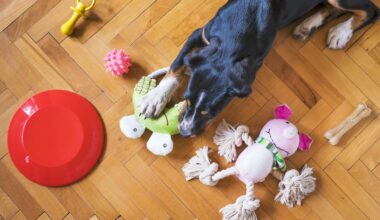
Providing mental stimulation and enrichment activities is paramount for obedience trial dogs. Engaging their minds helps them stay focused and prevents boredom, which can lead to behavioral issues. Incorporate puzzle toys, scent games, and obedience exercises in fun, rewarding ways. Training should feel like a game rather than a chore; this keeps your dog motivated and eager to learn. Vary training methods to introduce new challenges and maintain interest. Interactive games that involve teamwork encourage bonding between you and your dog, leading to better communication during trials. Gradually introducing distractions during training sessions can also prepare them for real-world scenarios they may encounter in trials. Socialization with other dogs and people is equally essential; exposing your dog to different stimuli improves their adaptability and confidence. Joining training groups or classes can provide additional social interaction while working on obedience skills. Remember that mental fatigue can be just as exhausting as physical exertion, so incorporate fun breaks to maintain enthusiasm. A well-rounded approach that balances physical and mental stimulation ensures your dog is well-prepared for obedience trials while fostering a strong bond between you both.
Grooming for Performance
Grooming plays a vital role in the health and presentation of dogs competing in obedience trials. Keeping your dog clean and well-groomed enhances their appearance and also promotes overall health. Regular brushing removes dirt, debris, and loose fur, reducing the risk of skin issues. Bathing should be done as necessary, depending on your dog’s coat type and the amount of outdoor activity they engage in. Pay attention to areas that may require special grooming, such as ears, paws, and tails. Regularly check and clean ears to prevent infections common in floppy-eared breeds. Nail trimming is also critical; overgrown nails can cause discomfort and affect a dog’s posture and movement during trials. Proper grooming not only enhances your dog’s appearance but also strengthens your relationship as they associate grooming with attention and care. Introduce grooming routines early on to prevent anxiety during competitions. Lastly, consider professional grooming services for specific styles or requirements, particularly for breeds with high grooming needs. Overall, a tidy and healthy appearance contributes positively to a dog’s performance and confidence in obedience trials.
Dietary supplements can benefit obedience trial dogs, particularly in supporting their joints and overall health. As dogs age or engage in high activity, their bodies may require additional nutrients to maintain optimal function. Explore options such as glucosamine for joint support, omega fatty acids for improved skin and coat health, and probiotics for digestive health. Consult your veterinarian before introducing any supplements to ensure they’re suitable for your dog. Track your dog’s response to any new supplements for any signs of improvement or adverse reactions. It’s crucial to remember that supplements should complement a balanced diet, not replace it. Use high-quality products from reputable brands to guarantee safety and effectiveness. Additionally, consider the lifestyle and dietary preferences of your dog when selecting appropriate supplements. Some dogs may thrive on specific dietary adjustments despite being on regular dog food. Monitoring your dog’s health and energy levels will help determine the effectiveness of any new regimen. By providing tailored nutritional support, you can enhance your dog’s performance during obedience trials and maintain their long-term health.
Building a Strong Bond
The bond between you and your obedience trial dog is a foundational aspect of training and performance. Developing a strong relationship encourages trust and enhances communication, vital for success in trials. Participate in interactive sessions that involve play, training, and socialization. This time invested in relationship-building translates into improved focus and responsiveness during trials. Training should be a collaborative process where both you and your dog feel engaged and motivated. Use positive reinforcement techniques that reward desired behaviors, such as treats, praise, or play. Avoid negative reinforcement methods that could harm the bond or create anxiety. The more positive experiences your dog has with you, the more reliable their performance will be in high-pressure trial situations. Regularly engaging in activities that your dog enjoys fosters enthusiasm for training while allowing for skill development. Furthermore, ensure you regularly listen to your dog’s needs and adjust training schedules according to their comfort levels. A well-balanced relationship built on trust, understanding, and open communication ultimately leads to better results and a fulfilling experience for both of you in obedience trials.