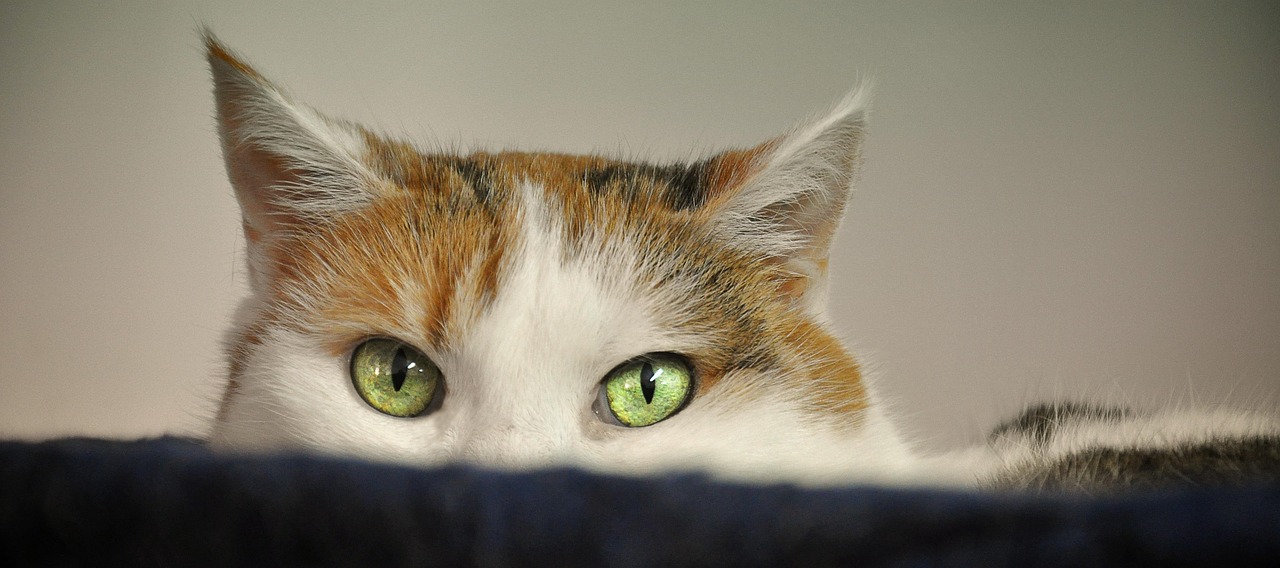

How to Approach a Fearful Cat Safely
Understanding the signs of fear in cats is crucial for a calm approach. A fearful cat may exhibit behaviors such as hiding, excessive grooming, hissing, or a turned tail. These signs indicate a cat that is under stress and requires gentle handling. To begin, observe the cat’s behavior from a distance, allowing it to become comfortable with your presence. Gradually reduce distance without moving closer too quickly. Speak softly to provide reassurance and let your feline friend know you mean no harm. Cat commands can help throughout this process, especially if your cat has previously learned specific keywords. You can utilize these verbal cues, such as “easy” or “gentle,” to help set a comforting tone. Building a safe and secure environment is key, including leaving hiding places available. Employing treats may encourage the desired behavior. Such appreciation may foster trust and reduce anxiety. Overall, patience is essential. Cats may require time to adjust, so don’t rush the process. Your careful observations and gentle command will go a long way in reducing fearfulness, creating a balanced and harmonious relationship between you and your scared feline companion.
Your body language plays a key role in communicating with a fearful cat. It’s important to maintain a non-threatening posture. Crouching down can help, as it signals to your cat that you are not a threat. Approach slowly and avoid direct eye contact, which can be perceived as aggressive. Use slow, deliberate movements to keep the atmosphere calm. When reaching for your pet, always extend your hand with the back facing the cat to avoid scaring it with sudden motions. Offering your hand for a sniff is an effective way to build trust. Once you’ve established trust, allow your furry friend to approach you on its own terms rather than forced interaction. In addition, be aware of any environmental factors that may be influencing your cat’s fear. Loud noises, unfamiliar visitors, or new smells can contribute to anxiety. If possible, provide a quiet sanctuary where your cat feels safe. It may benefit from having a small, quiet space equipped with familiar items such as its blanket, toys, and food. Allow the cat to seek you out when it feels ready. Encourage gradual exploration around the home to boost their confidence progressively.
Utilizing Treats for Encouragement
Using treats can significantly assist in desensitizing a fearful cat. Begin by selecting your cat’s favorite treats to create positive associations with your presence. Whenever you are near the cat, tossing treats into its space can encourage exploration. This simple act helps reinforce positive interactions, associating you with rewarding experiences. Gradually decrease the distance when offering treats, so the cat learns to approach you for rewards. While feeding treats, speak in a soft, soothing voice to create a calm environment, fostering trust. Be mindful not to rush this process; allow the cat to adjust at its own pace. If you observe your cat responding positively, you can gradually use commands that are soothing, such as
easy
or “come here.
The Power of Patience
Every cat is unique, so patience is vital when building trust. It might take several sessions of mingling with treats before you notice significant changes. Let your cat take the lead in the interaction process. Patience allows your cat to feel more confident in approaching you. Pay attention to small progressions and respond positively to them. For example, even slight movements towards you or extended paw may be signs of increased comfort. Celebrating these steps with gentle praise or additional treats reinforces their bravery and encourages further exploration. Consistency plays a crucial role as well. The more consistently you provide a safe space or treats during interactions, the better your cat will learn to trust you. Avoid scolding or reacting negatively, as this could increase their fear and anxiety. Instead, focus on maintaining a routine that encourages your cat’s confidence to grow, which can significantly lessen its fearfulness. Always remember that building rapport with your furry friend is a journey that entails several tries, requiring both understanding and love.
Providing engaging toys can also help manage and reduce fearfulness in cats. Interactive toys encourage play, helping to build your pet’s confidence in its environment. Choose toys that promote self-play, allowing the cat to engage at its own comfort level. Items that mimic prey, such as feather wands or laser pointers, can stimulate curiosity without overwhelming your cat. As your cat starts playing with these toys, you may witness a shift in its behavior and increased self-assurance. Create a dedicated playtime, ideally at regular intervals, to help your feline friend benefit from physical activity and mental stimulation. This can improve emotional wellbeing while reducing anxiety. Be observant: adjust play sessions according to your cat’s reactions. If it seems agitated, take a break and allow your pet to return to a secure place. Gentle encouragement is key; do not force interaction. Over time, you will likely see your cater become more relaxed and playful. As they build confidence through interaction and play, their fearfulness will gradually diminish, helping to foster a positive environment that benefits both the cat and owner.
Conclusion
In conclusion, establishing a safe atmosphere is essential when approaching a fearful cat. The first steps involve understanding their body language and behaviors that indicate anxiety, followed by a gradual approach using positive reinforcement. Providing treats and toys may be effective in building confidence while integrating calming commands can enhance the cat’s comfort. Above all, patience is crucial as each cat learns and adapts at its own pace. Enabling a safe and nurturing environment involves both time and trust building. Regular engagements while remaining aware of their comfort zones will lead to more profound trust. Avoid rushing or forcing interaction, providing a secure space that empowers your cat to approach you voluntarily. Through careful observation of their body language and gradual desensitization strategies, owners can ensure their kitty feels safe. Building a healthy, trusting relationship enables both you and your feline friend to connect positively. Always remember, a calm and gradually trusting atmosphere is what we strive towards for the happiness of that fearful cat.