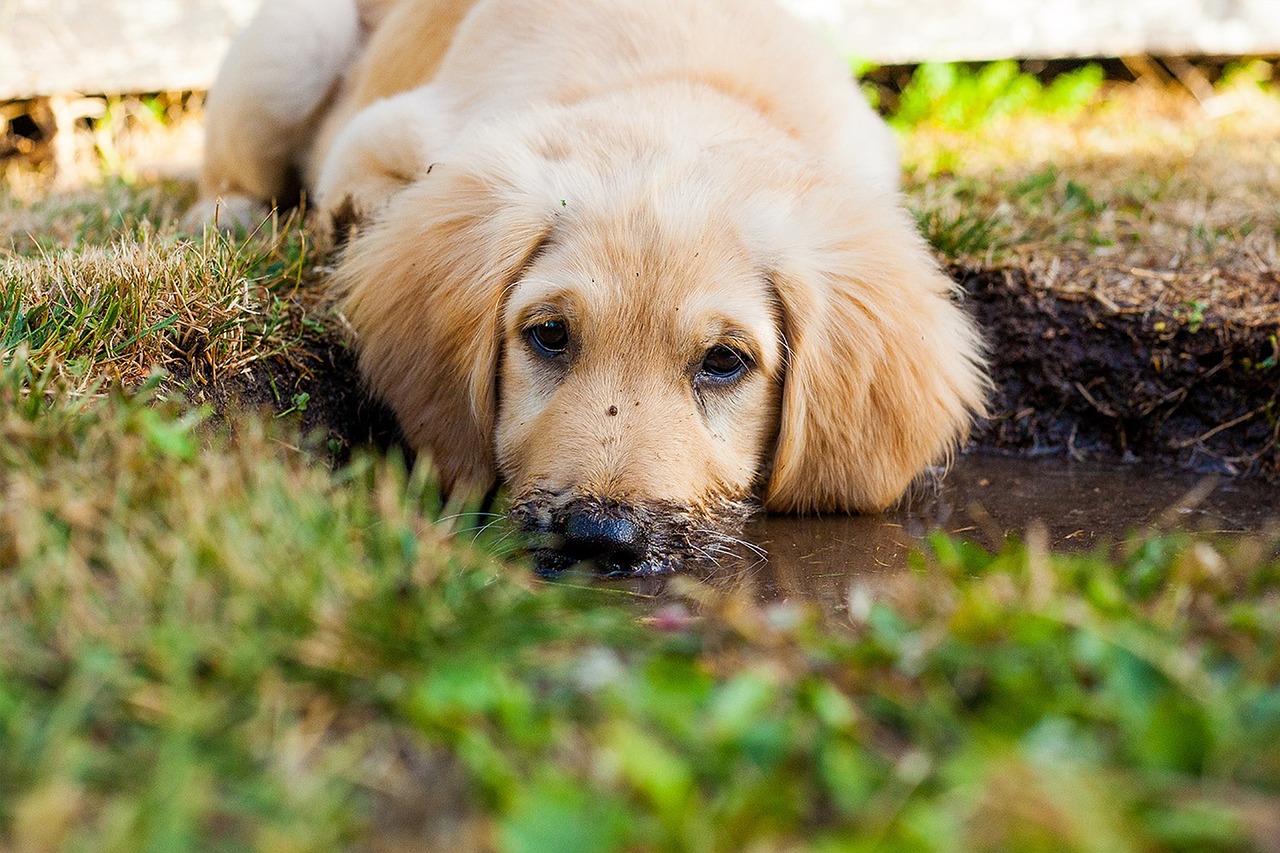

How to Prevent Your Puppy from Digging in the Yard
Preventing your puppy from digging in the yard is essential for a harmonious home and garden. Puppies are curious creatures, and digging may stem from boredom, lack of exercise, or seeking attention. To tackle this behavior, it is crucial to provide them with adequate physical and mental stimulation. Engage your puppy in daily walks, play sessions with toys, and obedience training. Gradually increase the duration and intensity of the activities to keep them challenged. Additionally, creating a designated digging area can refocus their energy, allowing them to dig without ruining your garden. Encourage your puppy to use this space rather than your yard, rewarding them for choosing it. If your puppy continues digging, assess the environment for any potential causes like squirrels or plants that attract them. Ensuring they feel secure in their surroundings minimizes anxiety-driven digging. Socialization also plays a vital role. Support your puppy in interacting with other dogs and people, which can ease their stress and distract them from digging. Provide stability and set guidelines while being patient, as consistency is key to managing their behavior effectively.
One major reason puppies dig is boredom. A vibrant routine filled with activities will keep their minds engaged. Owners must schedule various activities to prevent dogs from using digging as a diversion. Take them to dog parks or participate in dog training classes. Not only is this an excellent way for your puppy to learn, but it will help strengthen your bond. When they return home, they’re less likely to feel the urge to dig. Additionally, interactive toys can provide mental stimulation. Fill puzzle toys with treats to give them something to focus on while you’re busy. Incorporating games into the daily routine is beneficial. Hide and seek or fetch can offer entertaining breaks. Establishing regular playdates with other friendly dogs allows them to socialize while being active. This interaction reduces their need for mischief in the yard. Remember, the more fulfilled your puppy feels, the less likely they’ll resort to unwanted behaviors like digging. Monitor how much mental stimulation your puppy receives to maintain a well-behaved companion who won’t dig through your plants in a quest for something to investigate.
If your puppy steadfastly digs despite efforts to prevent it, consider addressing anxiety. Some puppies dig when they feel insecure or frightened. Identifying any specific triggers can help you manage this. For example, loud noises, fireworks, or separation anxiety may lead to digging as a coping mechanism. Gradually desensitize your puppy to any anxiety-causing situations through positive reinforcement. Create a haven in your home by providing a cozy space where they can retreat when feeling anxious. Use calming pheromone diffusers or calming music specifically designed for pets to help settle them. Consulting a veterinarian or a professional dog trainer can also be beneficial in such cases. They may recommend behavioral training techniques suited to your puppy’s individual needs. Gradual exposure and a reliance on positive reinforcement will build your puppy’s confidence, decreasing the urge to dig. Remain consistent in your approach to help your puppy learn to manage anxiety effectively. With dedication and patience, you can guide your puppy towards better behavior, ensuring digging won’t be an issue for your yard.
Creating a Digging Zone
To prevent unwanted digging in your yard, consider creating a specific digging zone. This designated area provides a place where your puppy can dig without damaging your prized plants and flowers. Choose a location that is relatively secluded to minimize distractions. To make the area more appealing, consider burying some toys or treats beneath the surface. This way, your puppy will associate digging in this allocated space with rewards. When they instinctively dig in the yard, gently redirect them to the digging zone using commands they’ve learned during training. When they comply, reinforce that behavior with praise or a small treat. Make sure to regularly check and maintain this designated spot. Add fresh soil or materials that encourage digging, like sand, for continuous interest. If you notice your puppy is favoring this space, it’s critical to reward them consistently. Positive reinforcement signals that digging in the designated zone is acceptable. This strategy not only protects your garden but also helps manage your puppy’s behavior. Over time, they will learn that the digging zone is the only area where they can dig freely without restrictions or reprimands.
Another effective strategy is to utilize physical barriers to keep your puppy from accessing certain areas of the yard. Fencing can be an efficient way to contain their digging. Consider using chicken wire or landscape fabric to prevent access beneath fences. Installing barriers like low fences or hedges around flower beds is also a straightforward solution. If your yard has particular spots your puppy frequently targets, adding landscape material like decorative gravel or rocks can deter them. Training your puppy on boundaries with consistent commands like “leave it” plays a critical role. Every time your puppy approaches restricted areas, using these commands informs them of what is acceptable behavior. Practicing regularly will reinforce their understanding of these limitations. Also, provide ample distractions outside of digging, such as chew toys or chew bones. It is vital to keep them entertained while outside and ensure they don’t find themselves bored. These strategies collectively contribute to an overall behavioral shift in digging habits. With time and effort, your puppy can learn to respect specific areas of your yard, leading to better companionship and a healthy garden.
The Role of Exercise in Reducing Digging
Regular exercise plays a major role in curbing unwanted digging behavior. Puppies have vast energy reserves, and without sufficient physical activity, they often resort to digging as an outlet. Ensure that your puppy gets enough exercise each day according to their breed size and energy level. Schedule daily walks of at least 30 minutes to an hour. Incorporate exciting activities like playing fetch or participating in agility courses to keep things engaging. This does not just help alleviate their energy but fosters a strong bond between pet and owner. Keeping a consistent routine is crucial; dogs thrive on predictability. Set aside specific times daily for walks and playtime, ensuring that your puppy’s needs are consistently met. During the exercise, encourage exploratory behavior and positive distractions to keep them engaged. This way, they learn to find alternatives to digging in the yard. Monitor your puppy’s progress and adapt the routine as necessary. With sufficient exercise, your puppy will experience a more content state of mind and a reduced desire to dig, making them a happier and better-adjusted companion.
Training plays a significant part in overcoming a puppy’s digging tendencies. Actively teaching your puppy basic commands enhances overall obedience. Use commands like “sit,” “stay,” and “leave it” to promote better behavior consistently. When catching them digging, intervene immediately using a firm, yet calm, voice to redirect them. Say something like, “no dig,” followed by a gentle pull to guide them away. Implement a reward system, offering treats or praise whenever they obey your commands. Encourage alternatives, such as fetching or playing. It is integral not to use negative reinforcement, as this can create anxiety or fear. Instead, focus on maintaining a positive atmosphere during training sessions. Short, frequent training sessions work better; attention spans can vary. Building a routine that integrates training with play creates a cohesive learning experience. Positive behavior should always be recognized and rewarded. Your puppy will appreciate the guidance, and over time, they will significantly reduce their digging tendencies. A trained puppy is a happy puppy, and investing in their learning processes strengthens your bond while reducing destructive behaviors.
Conclusion
In summary, preventing your puppy from digging in the yard requires a multifaceted approach. Understanding the reasons behind this behavior is key to solving it. From boredom to anxiety, addressing their needs is crucial. Ensure your puppy receives ample exercise and mental stimulation daily, which can greatly reduce their urge to dig. Creating designated digging areas and employing physical barriers further supports your efforts. Training your puppy with commands can facilitate better behavior while encouraging positive actions and discouraging unwanted ones. Be patient, as behavior modification is a gradual process, and remain consistent with your approach. With the adequate methods and response implemented, in no time, you’ll notice a significant improvement in your puppy’s digging habits. The ultimate goal is to achieve harmony between your puppy’s instincts and your garden’s integrity. Create an environment where both can exist mutually. Remember, happy and engaged puppies are noticeably less inclined to dig, making both your garden and your pet more enjoyable. Ultimately, apply your individual understanding of your puppy’s needs while being proactive in finding lasting solutions to maintain a well-kept yard.