
How to Handle Puppy Play Biting Gently
Every puppy goes through a stage where they explore their environment and objects through their mouth. This behavior can be particularly troublesome when it manifests as play biting. Understanding why puppies bite during play is crucial. Play biting is a natural part of a puppy’s development. They use their mouths to engage with their siblings, and this behavior often continues into their interactions with humans. Teaching your puppy appropriate play behavior is essential to ensure that they learn how to interact positively with others. If you do not address these behaviors early, they can become more problematic as your dog matures.
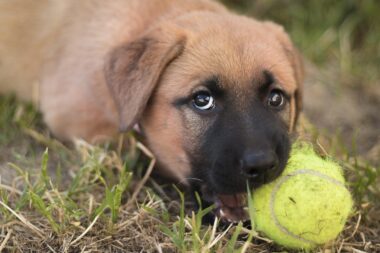
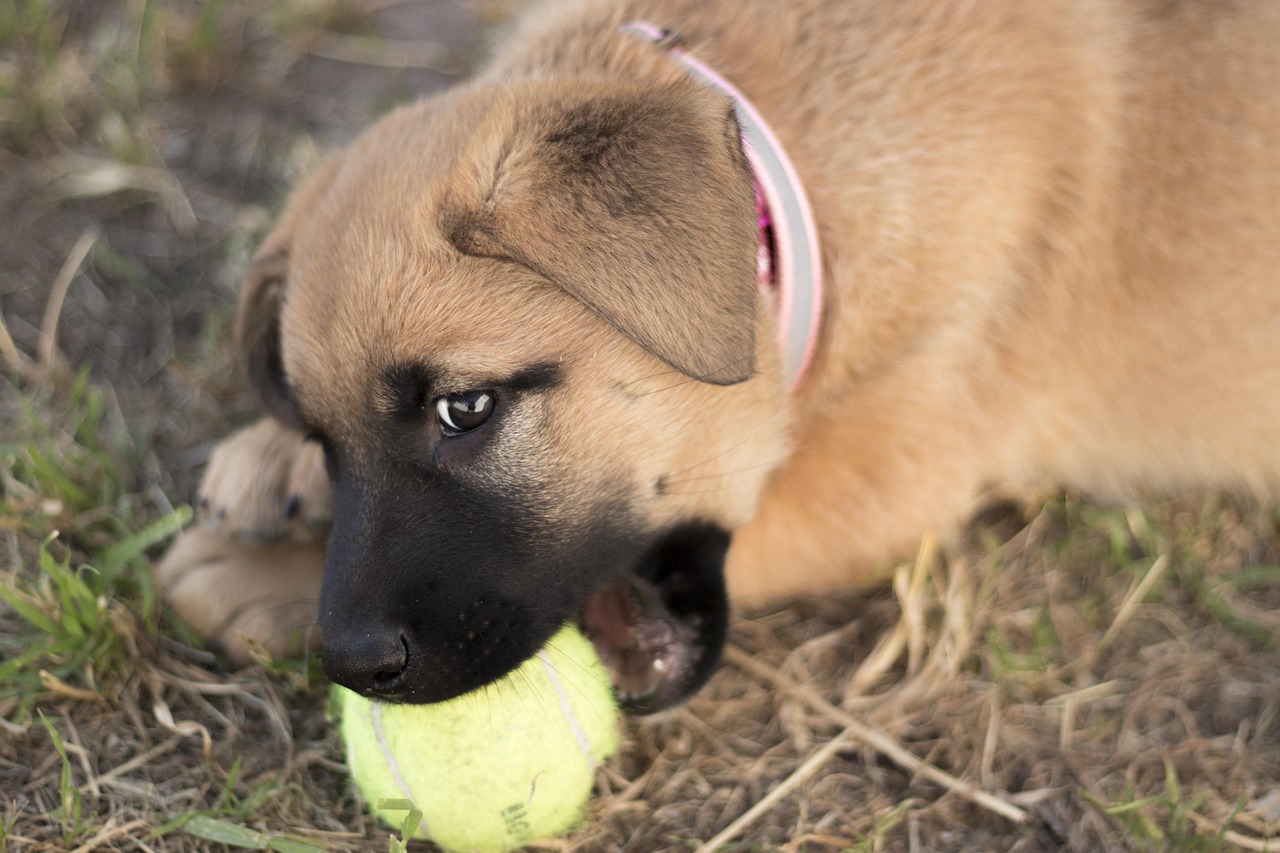
To begin addressing play biting, ensure that your puppy has plenty of acceptable chew toys. Offering a variety of toys will satisfy their urge to chew and provide them with an outlet for their energy. It’s beneficial to choose toys that are durable and appropriate for your puppy’s size. When your puppy begins to bite during play, redirect their attention to a toy instead. This teaches them that biting human hands is unacceptable, while chewing on toys is permitted. Consistency is key in this process; always redirect them to appropriate outlets.
Another effective strategy to handle play biting is to practice bite inhibition. When your puppy bites too hard during play, you should respond firmly but calmly. Let out a loud “ouch!” to startle them and indicate that they’ve bitten too hard. This replicates what their littermates would do and can teach your puppy to be gentle. After the initial reaction, withdraw your attention for a moment, which signals to your puppy that biting leads to loss of playtime or interaction. This method encourages them to be gentler in their future interactions.
Positive reinforcement is another essential aspect of training your puppy to mitigate biting. When your puppy plays gently, reward them with treats or affection to reinforce the desired behavior. This method encourages your puppy to associate gentle play with positive outcomes. Make sure to keep these sessions brief and engaging, as puppies have shorter attention spans. Repetitive practice will lead to better understanding. Over time, your puppy will recognize that soft mouthing during play is rewarded, while hard biting leads to a lack of interaction.
If you find that your puppy’s biting is excessive, consider enrolling them in a puppy training class. These classes provide excellent socialization opportunities, helping puppies learn appropriate behavior with other dogs and people. Experienced trainers can also offer personalized advice for specific issues, including play biting. During these classes, your puppy will have the chance to engage in supervised play, allowing you to teach them valuable skills. This social exposure is essential for their emotional development and helps curb negative behaviors.
Additionally, provide sufficient mental and physical stimulation to prevent boredom-related biting. Puppies often resort to biting as a means of entertainment when they’re not adequately exercised. Incorporate playtime, training sessions, and puzzle toys into your daily routine. A well-exercised puppy is generally calmer and less likely to engage in undesirable behaviors, such as play biting. Aim for at least 30 minutes of active play each day, tailored to your puppy’s energy levels and preferences. This engagement significantly influences their overall behavior.
Lastly, it’s crucial to maintain a calm and patient demeanor when dealing with puppy biting issues. Frustration can lead to negative training outcomes and potentially harm your bond with your puppy. Remember that every puppy learns at their own pace. Celebrate small victories along the way and remain committed to encouraging positive behavior in your furry friend. If needed, consult a veterinarian or professional trainer for additional guidance tailored to your specific situation. Your puppy’s well-being and proper training will ultimately ensure a happy home.
In summary, handling play biting in puppies requires consistent training, positive reinforcement, and ample socialization opportunities. By applying these strategies, you can guide your puppy toward appropriate behavior, leading to enjoyable play experiences. Expect some setbacks as part of the normal training process. The key is to remain committed to teaching gentle interactions while recognizing the puppy’s need to express themselves. By following these methods, you will pave the way for a well-adjusted, loving companion ready to engage positively in your home.