
Traveling in Snow with Dogs: Safety Precautions and Tips
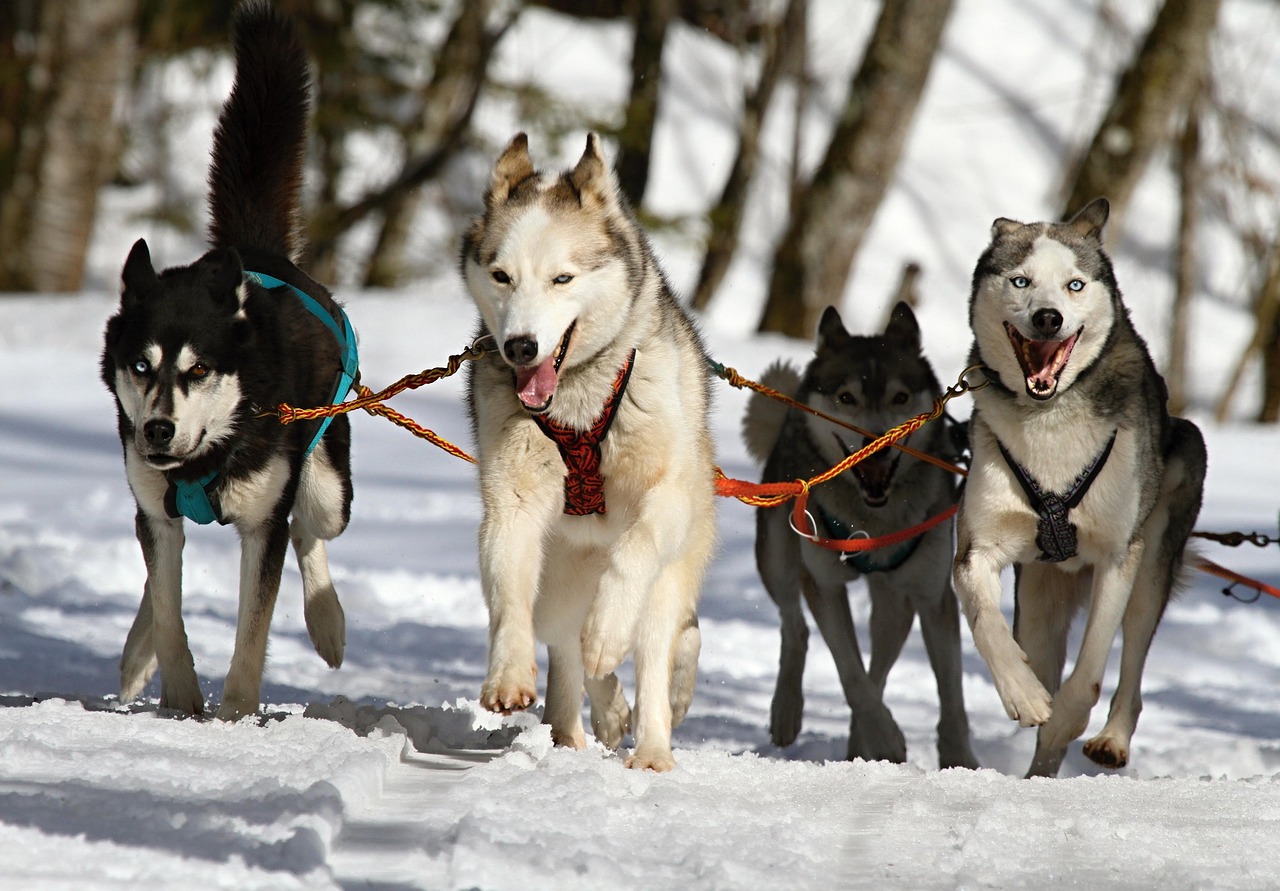
Traveling in snow with your dog can be an enjoyable and memorable experience, but it also presents unique challenges. First and foremost, be aware that snow and cold weather can affect your dog’s health and comfort significantly. Before embarking on a journey, ensure your dog is properly acclimatized to colder temperatures. Breeds with thick fur are generally better suited for snowy conditions than short-haired breeds, which might need extra protection. Always consider bringing along a dog sweater or coat to keep them warm. Additionally, paw protection is essential since ice and snow can be harsh on your dog’s paws. Booties designed for dogs can help prevent injuries caused by sharp ice and snow. When traveling, keep your dog’s hydration needs in mind, as they can become dehydrated without realizing it, especially in cold weather. Lastly, ensure you have identification on your canine companion. Snowy conditions can create hazards that may cause confusion or fear. A microchip or a collar with tags can aid in their safe return if they become separated from you during your winter adventures.
Planning Your Trip
Before setting out, proper planning will help ensure a safe trip for you and your dog. Research pet-friendly accommodations and check if they have specific requirements when it comes to your pet during winter months. Always confirm that your destination has amenities for dogs, such as trails suitable for exploring, as not all are maintained in snowy conditions. Carrying a first aid kit designed for pets is an absolute must. This kit should include all necessary supplies, including any medications your dog might require and items for treating snow-related injuries. Furthermore, consider the duration of your travel. Long trips may require more frequent breaks to allow your dog to relieve themselves and stretch their legs. Always pre-check the route to avoid heavily trafficked roads that may pose additional hazards during winter. Keep in mind that weather conditions can change rapidly, and it’s best to have a flexible travel schedule. Be patient and attentive to your dog’s needs throughout the journey to ensure that they remain calm and comfortable as you explore the snowy landscape together.
While traveling in snowy conditions, it is important to make frequent stops to assess your dog’s condition. Check their paws regularly for ice buildup between their toes and any signs of discomfort. If your dog seems cold or is shivering, it’s crucial to take a break indoors to warm them up. Keeping a watchful eye on your dog’s behavior will help you ensure they are not suffering from hypothermia or frostbite. Avoid long exposure to cold weather, as this can lead to serious health issues. After each stop, ensure you wipe off any snow or ice that may have accumulated on your dog’s fur. This can help prevent chills and keep your dog warm as you continue your adventure. Always choose walking paths that are safe and manageable, and avoid steep or treacherous areas that could cause slips and falls for both you and your dog. Carrying a leash is also vital, as a familiar tool for keeping your dog close to you will help avoid any accidents or encounters with wildlife, which can be unpredictable in snowy regions. Always prioritize safety above all to enjoy a pleasant trip.
Feeding Your Dog on the Go
Maintaining your dog’s diet during travel is vital to their health, especially in colder weather. Carry sufficient food supplies that are suited to your dog’s daily requirements. Be mindful of their feeding schedule to prevent any gastrointestinal distress. In colder temperatures, dogs may need extra calories to help keep their energy levels up. Consider incorporating higher-calorie treats or a special diet during the winter months. Hydration is equally important, even in the cold. Always carry a portable water bowl to keep your dog well-hydrated, as they might not drink as much water when it’s cold. Witness changes in appetite or drinking habits and adjust servings accordingly. It’s advisable to stick with familiar foods during your trip, as sudden changes can lead to digestive issues. If you plan on hiking or engaging in other strenuous activities, consider packing snacks that are high in protein and easy for dogs to digest. Freeze-dried or dehydrated foods can be great options. By maintaining a careful feeding schedule and providing plenty of hydration, you will ensure your dog remains happy and healthy, ready for every snowy adventure.
As you travel in snowy conditions, it’s crucial to stay aware of common hazards that can affect your dog’s safety. Snow can hide obstacles like rocks, ditches, or open water that could pose a danger to your furry friend. Additionally, be mindful of the cold weather’s potential impact on your dog’s joints. Cold temperatures can exacerbate previous injuries or cause stiffness, particularly in older dogs. Time spent outside should be balanced with adequate warm periods indoors. This also allows your dog to rest and recover, especially after engaging in active play in the snow. Ensure to familiarize yourself with dog-friendly trails that are maintained for winter travel. Avoid areas where the snow is deep or heavy, as these can tire your dog quickly. Plan walking routes with considerations for safe distance and difficulty levels. Speak to local parks or authorities for recommendations on dog-friendly paths and areas. Monitor your dog closely for any signs of fatigue and adjust your activity level to accommodate their comfort and safety. Returning home safe and healthy should always be your main objective.
Emergency Preparedness
In the event of an emergency while traveling in snow, having a plan can make all the difference. Keep a detailed checklist of necessary supplies for both yourself and your dog. Include items like a first aid kit, extra food, water, and blankets in your vehicle. Regularly check the weather conditions during your travels, especially when heading into remote snowy areas. Load GPS apps or maps onto your devices to locate pet-friendly emergency services nearby. Having a reliable means of communication will ensure help is always reachable if needed. Learn basic first aid for dogs, as this knowledge can be life-saving in urgent situations. It’s essential to keep your dog’s microchip information updated, including their health records or dietary needs, to share with emergency vet services. Keeping your dog leashed prevents them from wandering away if an emergency occurs, particularly if you are away from your vehicle. Instill a sense of comfort in your dog with familiar items like toys or blankets. Finally, take frequent breaks to assess both your situation and your dog’s well-being to foster a stress-free journey equipped for any unexpected situation.
As you wrap up your snowy adventure, it’s equally important to prioritize post-trip care for your dog. After returning home, inspect your dog thoroughly for any signs of frostbite or injury. Pay special attention to their paws and ear tips, as these areas are more susceptible to cold damage. Bathing your dog can help remove any salt or chemicals that may have accumulated during your travels. It is also an excellent opportunity to check their coat for any mats or tangles, which may have formed. Additionally, after a day of play, your dog might need extra rest and recovery. Provide a warm space for your dog to relax, thereby promoting comfort and healing. Once they are settled, gradually re-establish their feeding routine as you allow them to recuperate. Encourage gentle play rather than vigorous exercise for a few days following your trip. Monitor your dog for any changes in behavior or habits. By ensuring that your dog receives post-trip care, you will promote their health and happiness and foster an excellent relationship. Prepare your next snowy adventure with new experiences and beloved memories.