
Vehicle Preparation for Weather Extremes When Traveling with Dogs
Traveling with dogs during extreme weather conditions requires thorough vehicle preparation. First, ensure your vehicle is well-maintained to handle harsh temperatures. For summer trips, use sunshades to keep your car’s interior cool. Consider getting reflective window covers to minimize heat retention and keep dogs comfortable. For winter travels, ensure the vehicle is equipped with antifreeze and a good heating system to maintain warmth. Before journeys, check the tire pressure, ensuring they’re adequately inflated. Cold weather can lead to reduced tire pressure, affecting driving safety. Always carry extra blankets or dog coats for warmth during stops. It’s essential to have a first aid kit specifically for pets. Cold and hot weather can cause unique health issues like frostbite or heatstroke, which you would want to address immediately. Keeping your dog hydrated while on the road is crucial. During breaks, provide fresh water to keep your pet’s energy levels up. Also, scout pet-friendly areas for restroom breaks, ensuring your dog has ample opportunities to stretch. Your dog’s safety and comfort should always take precedence during any travel experience, regardless of weather conditions.
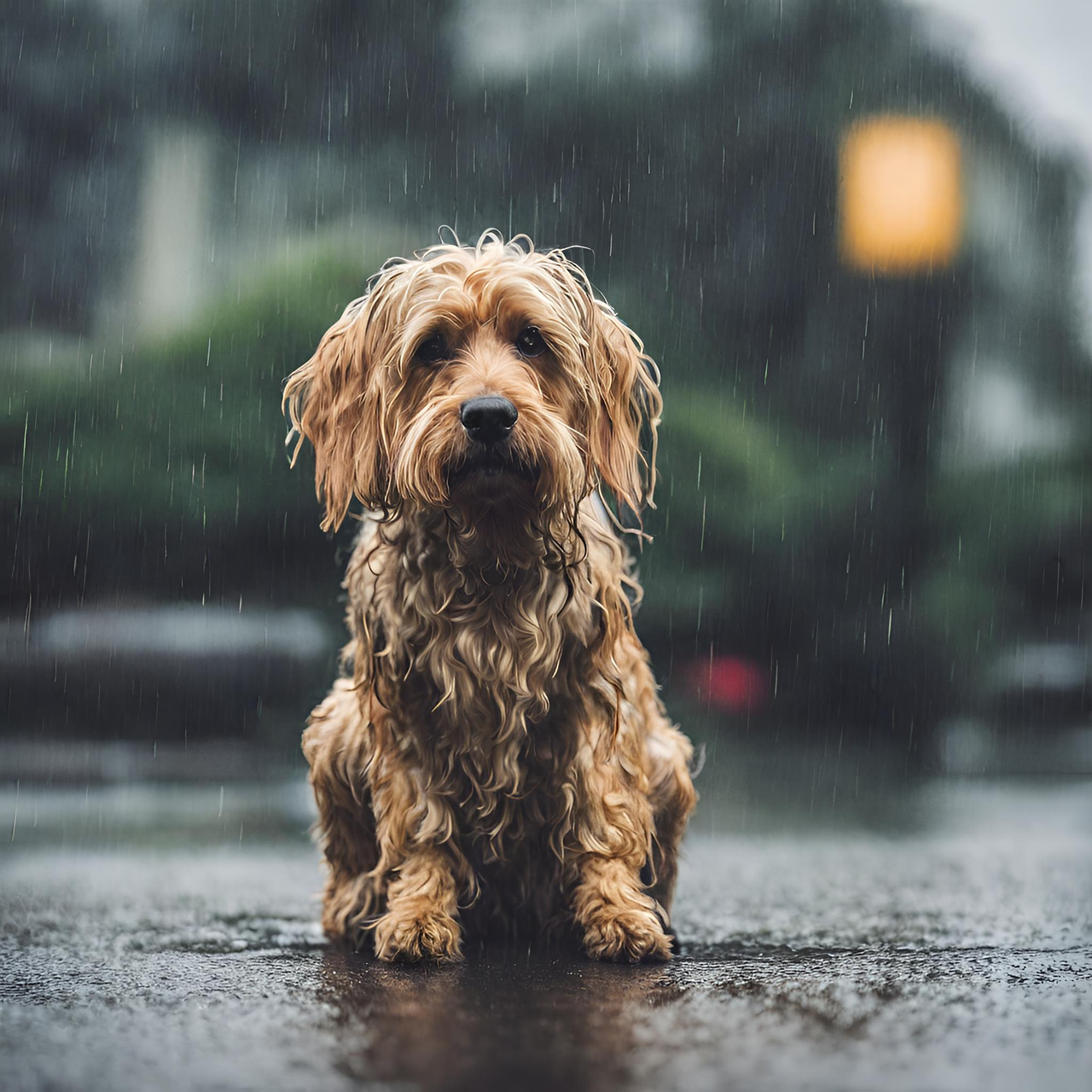
Weather considerations are vital when preparing for long road trips with dogs. Rain can create slippery conditions, so ensuring your vehicle’s tires are suited for wet surfaces is essential. Prior to departure, check your windshield wipers. Replace them if they show signs of wear, ensuring visibility during unexpected showers. Keeping a towel in the vehicle is practical; it allows you to dry off your dog after bathroom breaks in the rain. Wet dogs can easily catch a chill, so a dog sweater is handy to keep them warm. Furthermore, always prepare for sudden weather changes. It’s beneficial to pack additional supplies like a pet umbrella for walks and waterproof carriers. These carriers can protect your car from any soaking wet dogs. For longer trips, consistency is key. Regular bathroom breaks will lessen anxiety for both you and your dog. Observe your dog’s behavior and comfort levels throughout the journey, keeping an eye out for any signs of distress. Consider gadgets that provide real-time weather updates on the route. This way, you’re always in the know, which will help mitigate unexpected weather challenges while on the road.
Another vital aspect of vehicle preparation involves thinking about ventilation. Proper airflow in your vehicle can significantly reduce the occurrence of overheating, one of the most dangerous risks in extreme heat. Use air conditioning to maintain a comfortable temperature, but make sure that your dog is not directly exposed to cold drafts. Dogs should be able to lie down comfortably without being blasted by cold air. If you are traveling in a location where temperatures are expected to fluctuate drastically, consider investing in a temperature-regulating pet crate. These crates can help maintain an acceptable temperature range even when the outside one changes rapidly. For cold-weather travels, ensure that your dog stays safely nestled in a warm blanket or sleeping bag within the vehicle. Avoid leaving your dog alone in the car, especially during extreme weather, as it can be harmful or even fatal. Whenever possible, have a travel buddy who can stay with your pet while you run errands. Lastly, don’t forget to plan your route around areas where it’s safe to pull over. Adequate preparation can prevent discomfort and ensure a pleasant journey.
Emergency Preparedness
Planning for emergency preparedness is crucial when traveling with your furry friend. Gather an emergency kit tailored for your dog, including essential supplies like medications, first aid items, and contact information for nearby veterinary clinics. Always carry a detailed health record for your dog, especially when traveling from one state to another, since different areas may have unique vaccination requirements. If you’re unsure about local pet regulations, conduct thorough research before your trip. Many regions have specific leash laws and outdoor access policies during certain seasons, especially with wildlife and seasonal factors. Having extra food supplies is a simple yet profound way to enact foresight into your preparations. Take a portable food container to maintain your pet’s regular diet. On very long travels, plan your route to include pet-friendly accommodations. Restaurants with outdoor seating that permit dogs will be helpful during meal breakdowns. An extra collar with identification tags can also be beneficial in case of a sudden separation. Remaining calm during such situations is crucial, as dogs can absorb your stress. Keep them entertained with toys or treats to distract them during challenging moments throughout the journey.
Maintaining a proper feeding schedule is essential when you’re on the road with your dog. The abrupt change in environment and routine can cause digestive issues. To prevent disruptions, feed your dog smaller portions more frequently rather than a single large meal. Always have enough of their usual food on hand, as sudden dietary changes can lead to unnecessary discomfort. Don’t forget to pack a collapsible bowl for easy feeding during stops; they are lightweight and portable. For traveling in hot conditions, lightly freezing a portion of your dog’s food can provide them with a refreshing treat along the way when needed. This strategy hydrates while ensuring their nutrition is met. Alongside food, maintaining proper hydration levels is vital, especially during long trips. Periodically stop to offer fresh water, as dogs can easily become dehydrated in the heat. This also gives them the chance to stretch their legs. Always observe your dog’s behavior; if they display any signs of anxiety or distress, try to calm them and reassure them that they’re safe. Creating a comfortable space in the vehicle will help alleviate any travel-related anxiety and promote a relaxed environment.
Consider Laws and Regulations
Every state’s laws contribute crucial elements that are important when planning travels with pets. Various regions have regulations regarding pet travel, especially concerning restraints. Some states require dogs to be securely fastened in crates or with seat belts while driving. It’s advisable to familiarize yourself with these laws to avoid unwanted citations or consequences. Additionally, some areas may have leash laws in public spaces; understanding them ensures you’re prepared wherever you travel. Knowing pet-friendly areas or establishments along your route can make trips smoother and more pleasant for both you and your dog. Researching state regulations about pet vaccinations or health certificates before embarking can save you from potential hassles. Should your pet need emergency care, locate health facilities or emergency services ahead of time. Being prepared for unexpected veterinary needs keeps everyone more at ease. Also, consider the seasonal regulations regarding dogs in national parks or local attractions. Many public spaces have restrictions during certain times to protect wildlife and habitats. Planning strategies around these laws and health measures ensures not just your dog’s safety but enhances the quality of your travel experience.
Finally, consistently animal-proof your vehicle to ensure safety while traveling. Remove any sharp objects or items that may be dangerous if your dog moves around during transit. Always Secure food and personal belongings in a manner that keeps them all securely packed away. A clean vehicle minimizes potential distractions and keeps the environment safe for you and your pet. Additionally, invest in cargo barriers if applicable; these can prevent your dog from reaching the driver’s seat, improving safety. Periodically check your pet’s comfort level throughout the journey; if they appear stressed, pull over safely. Traveling should remain a fun and adventurous experience for your dog and you alike. Ensure that their favorite toys are easily accessible. Familiar things can bring comfort during transitions. Possessing knowledge about the route will help you better understand where to stop and what to expect. Websites with features highlighting local pet services can be invaluable as you prepare to travel. Remember that with every journey, the ultimate goal is to bond and create positive experiences together, despite the weather challenges faced along the way. Happy travels!
Enjoy your travels, keeping every consideration for your furry friend in mind!