
Vaccination Protocols for Dogs with Allergies
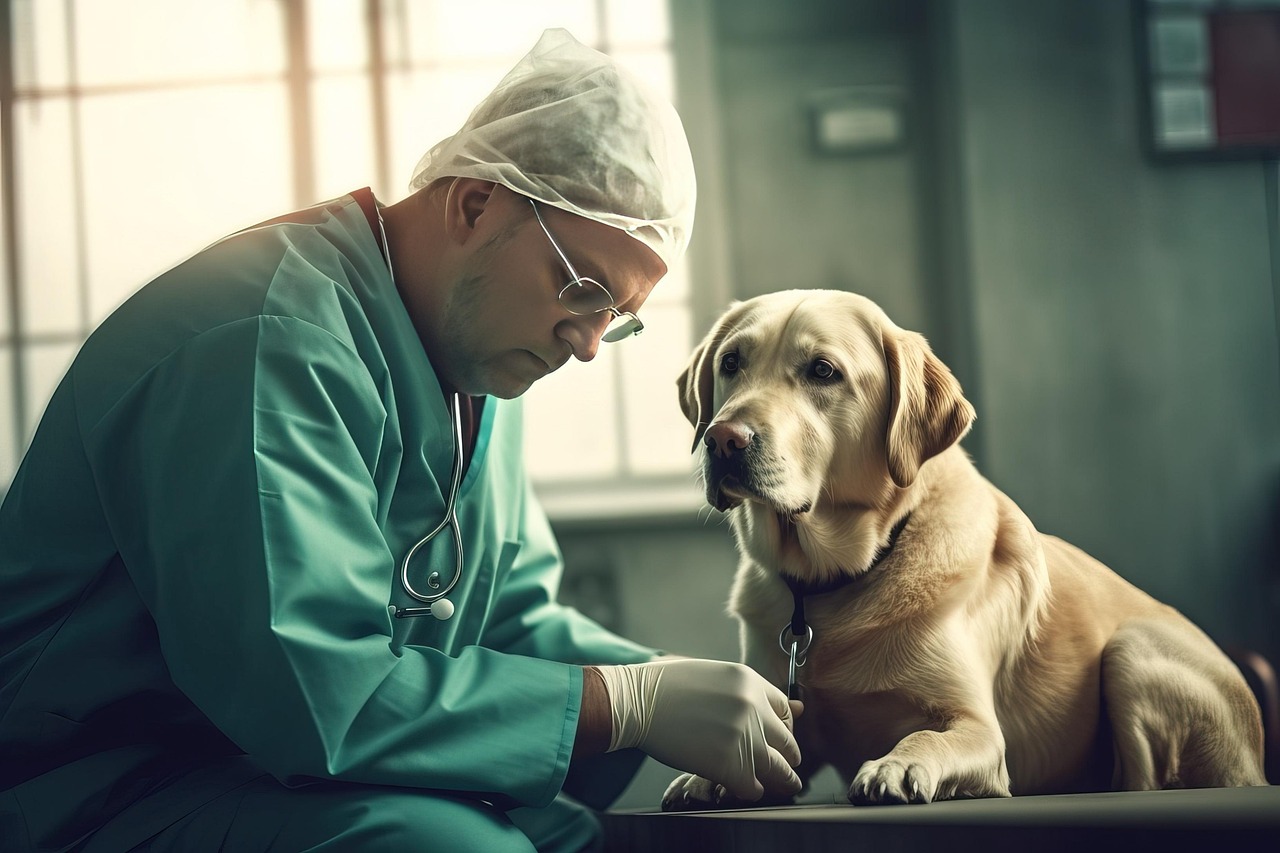
When it comes to ensuring the health of dogs with allergies, understanding vaccination protocols is crucial. These dogs may react differently to certain vaccines, necessitating careful consideration. First, it’s essential to consult with a veterinarian experienced in handling allergic dogs. They will provide personalized advice tailored to the specific needs of your pet. This may involve adjusting the vaccination schedule or choosing alternative vaccines that minimize allergic reactions. Documenting any previous reactions to vaccines is vital. Keep track of your dog’s health history, including any allergies or sensitivities. Monitoring your pet’s reaction during and after vaccination is also important. If possible, stay at the clinic for a while post-vaccination to observe for any negative responses. Your veterinarian may suggest a pre-medication plan to reduce potential reactions. It is crucial to maintain updated vaccination records for your dog, including any modifications made due to allergies. This information is invaluable during emergencies or if you need to board your pet. Ultimately, each dog’s needs are unique, and a proactive approach can help ensure their safety and well-being.
In preparing for vaccinations, understanding the components of various vaccines is essential. Vaccines typically contain weakened or inactivated pathogens, which train the immune system. However, certain additives or preservatives can provoke allergic reactions in sensitive dogs. Therefore, discussing these components with your veterinarian is recommended. For example, some dogs may have reactions to substances like egg protein or gelatin present in the vaccines. In addition to core vaccines, you should also inquire about non-core vaccines tailored for specific risks based on your dog’s lifestyle, environment, and health status. It’s also vital to discuss the timing of vaccinations. Some allergic dogs may benefit from spreading out their vaccinations over time rather than receiving multiple shots at once. This approach can reduce the risk of overwhelming their immune systems and triggering allergic responses. Regular health check-ups can also help identify any emerging allergies or sensitivities. As you prepare for vaccinations, remaining informed about the latest vaccine guidelines is beneficial. Research reputable sources, and consult with your veterinarian to stay updated on new discoveries in canine vaccination protocols.
Another critical aspect to consider is the dog’s overall health status prior to vaccination. Pets already experiencing health issues, such as skin irritations or gastrointestinal problems, may be at higher risk for adverse reactions post-vaccination. Before administering any vaccines, a thorough health evaluation is necessary. This could involve blood tests or skin biopsies to identify underlying concerns contributing to allergic reactions. Maintaining a comprehensive health history will assist your veterinarian in making informed recommendations regarding vaccinations. Moreover, regular monitoring of your dog’s health can reveal patterns, such as recurring reactions that could influence future vaccination strategies. During the vaccination visit, ask about options for administering vaccines in a less stressful manner. Some veterinarians offer lower-stress techniques, such as pheromones or calming music, to create a more pleasant environment, especially for anxious dogs. After vaccination, observe your dog for any signs of distress or allergic reactions like swelling, vomiting, or lethargy. If any concerning symptoms arise, contact your veterinarian immediately. Prevention and early intervention are key to ensuring the health of allergic dogs post-vaccination.
Vaccinating Senior Dogs with Allergies
Senior dogs often require special consideration regarding vaccinations. With age, a dog’s immune response may weaken, making them more susceptible to infections. However, senior dogs with allergies present additional challenges because they may have compounded sensitivities. Consequently, it’s crucial to evaluate their health status before proceeding with vaccinations. Your veterinarian will assess existing health conditions and allergies, potentially requiring tailored vaccination schedules. Older dogs benefit significantly from core vaccines, but you should re-evaluate any non-core vaccinations based on specific risks and the dog’s lifestyle. Some senior dogs may not need certain vaccines annually, so opting for three-year vaccines may be more suitable. Besides allergies, it’s also essential to monitor for common senior health issues like kidney disease, which can interact negatively with some vaccines. Discussing a comprehensive approach to senior dog health that includes dietary changes, regular exercise, and appropriate vaccinations will help in maintaining your pet’s quality of life. It’s also vital to ensure that your senior dog remains comfortable during veterinary visits, reducing anxiety and stress linked to vaccinations.
Understanding the role of veterinary guidance in the vaccination process for allergic dogs is essential. Your veterinarian should be your primary resource, ensuring that all vaccination protocols align with your dog’s specific needs and health status. Open communication will help convey your dog’s medical history and any reactions to past vaccines. Your veterinarian can recommend allergy testing to better understand triggers or recommend a tailored vaccination schedule that meets your dog’s requirements. Staying informed about potential vaccine reactions is invaluable. Some common adverse reactions may include fever, swelling, and even severe allergic responses like anaphylaxis. Being aware of these allows for prompt action if they occur. It’s important to maintain a close relationship with your veterinary clinic, as they are crucial allies in managing your dog’s overall health, particularly in vaccination decisions. Education on vaccination safety and protocols is an ongoing process, enabling you as a pet parent to make informed choices. If necessary, consider joining support groups for other pet parents of dogs with allergies to exchange experiences and receive additional insights into effective vaccination strategies.
While vaccinations are crucial for maintaining health, they can also impact dogs with allergies in terms of lifestyle choices. After vaccination, some dogs may display temporary behavior changes due to discomfort or side effects. It’s essential to provide a calm and safe environment during recovery. Adequate rest and hydration will aid in your dog’s recovery. Gradually reintroduce playtime and outdoor activities to avoid overstimulation after vaccination. Adjusting your dog’s diet around vaccination time can also support their immune response. Ensuring a balanced, allergen-free diet will help strengthen the immune system, preparing it for any vaccine-related challenges. You can consider investing in supplements that boost immune function, but always consult your vet before implementation. Observing your dog’s reactions during this recovery period is vital to ensure they are not developing adverse reactions. If any unusual symptoms appear, such as excessive whining or lethargy beyond the expected timeframe, contacting your veterinarian is advisable. Balancing vaccination needs with a dog’s allergy considerations is vital to ensuring their long-term health and happiness.
Conclusion on Vaccination Protocols
In conclusion, navigating vaccination protocols for dogs with allergies is a multifaceted process that requires careful attention and planning. Start by consulting with a knowledgeable veterinarian to establish an effective vaccination strategy that considers your dog’s specific allergies and health status. Inform your vet of past reactions and maintain accurate vaccination records to facilitate better decision-making. Depending on the dog’s particular circumstances, it’s advisable to stagger vaccines and opt for alternatives when necessary. Always stay observant of your dog during the vaccination process and the following days, remaining alert for any adverse reactions. A proactive approach will significantly enhance your dog’s health and wellness. As a dedicated pet parent, your role in this process is crucial, emphasizing communication, education, and vigilance. Utilizing available resources such as support groups can also help foster a more comprehensive understanding of pet health and vaccination protocols. Ultimately, your efforts in safeguarding your dog’s health and comfort will lead to a happier, healthier life together.
Additionally, it’s worth considering vaccination exemptions for dogs with severe allergies or previous negative reactions. In such cases, speak with your veterinarian about alternative methods for protecting your dog against infectious diseases, such as antibody testing or other preventative measures. All vaccine protocols should collectively aim to ensure your dog remains healthy and free from preventable diseases. Adapting your approach based on individual needs will also enhance the quality of life for allergic dogs, proving to be beneficial in the long run. As science continues to evolve, staying educated and informed on vaccination practices is critical. By maintaining a close relationship with your veterinary service, regularly reviewing your dog’s health progress, and actively researching emerging findings, you will be well-equipped to make informed choices. Your proactive approach will undoubtedly lead to positive outcomes, ensuring that the unique needs of your allergic dog are always met. Remember, the ultimate goal is to protect your beloved pet while balancing their specific health challenges and ensuring they lead a fulfilling life.