
Veterinarians’ Advice on Recognizing Unsafe Dog Toys
Dog toys are an essential part of your pet’s playtime and overall happiness, but they can pose serious safety risks if not selected carefully. Recognizing unsafe dog toys is crucial for keeping your furry friend safe from harm. To guide you through this process, veterinarians recommend paying attention to several key factors. First and foremost, inspect the material from which the toy is made. Look for non-toxic, durable materials that can withstand your dog’s chewing habits. Avoid toys with small parts that can be easily swallowed, leading to choking or intestinal blockages. Additionally, ensure the toy does not contain any toxic substances, such as lead or phthalates, which can be harmful to dogs. Whole toys are generally preferred; broken toys with sharp edges are major hazards. Remember to regularly check the condition of your dog’s toys at least once a week. Toss any toy showing signs of wear and tear. A proactive approach not only keeps playtime safe but also encourages better toy choices that keep your dog happy and entertained.
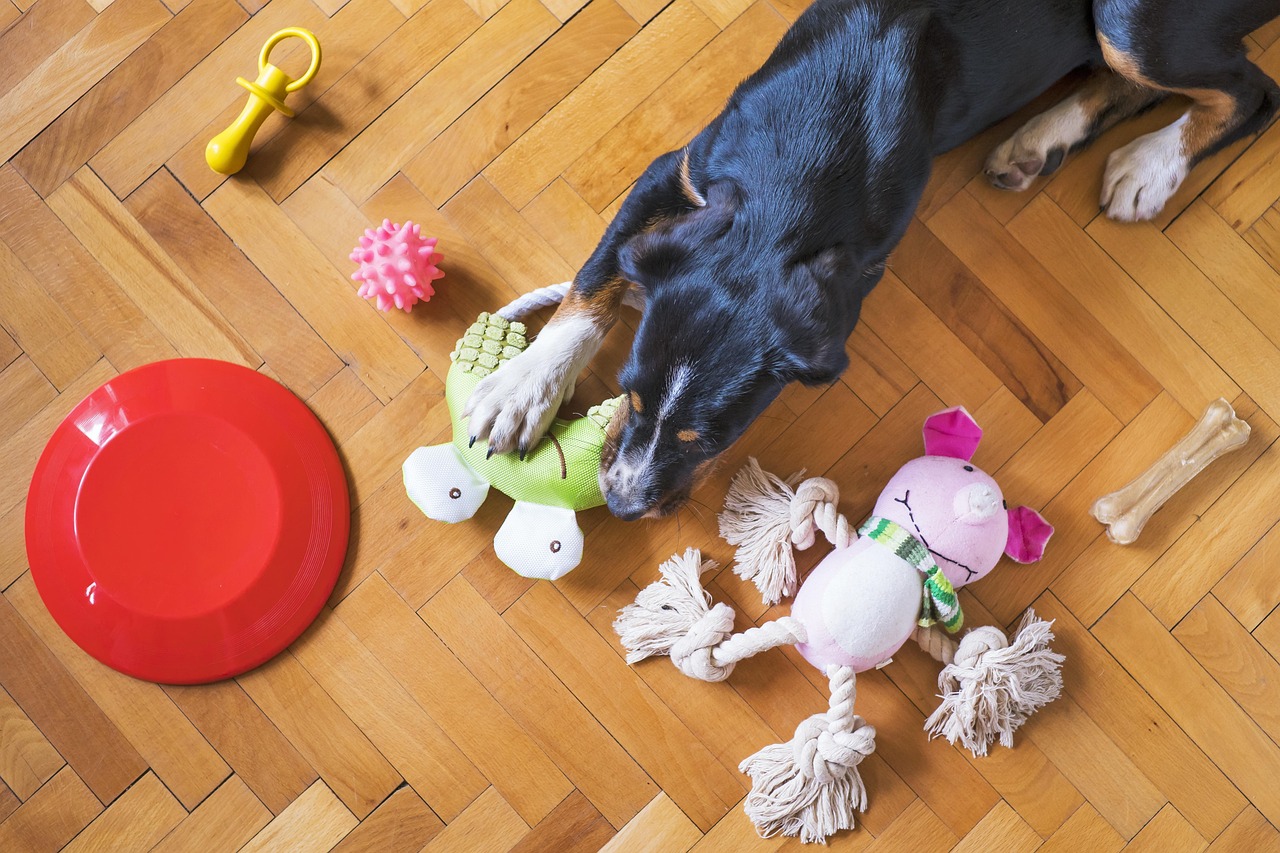
The size of the dog toy is another significant factor to consider for safety. Veterinarians advise choosing toys that are appropriate for your dog’s breed and size. A toy too small can pose choking risks, while larger toys may not be enjoyable for smaller dogs. Always choose toys that promote interaction and are suitable for your dog’s play style. For example, if your dog loves to chew, select robust chew toys designed for heavy chewers. If your dog prefers fetch, consider durable balls or flying discs. Moreover, look for toys with texture or squeakers for added stimulation, but check for safety reviews and product recalls. Your vet can recommend specific brands known for compliance with safety regulations, helping ensure safe play. Never overlook the need for supervision, especially when introducing a new toy. By knowing the right size and monitoring your dog’s interactions with their toys, you can significantly reduce risks of accidents and injuries. Consult your veterinarian for personalized recommendations based on your dog’s specific needs and habits.
Recognize Signs of Wear and Tear
One of the best ways to maintain your dog’s safety is to recognize the signs of wear and tear on toys. Frequent usage may lead to rips, tears, or fraying, which can create hazards. Dispose of any toys that begin to show these signs immediately. Additionally, watch for any chunks of toy that may break off; these bits can become choking hazards. Dogs have a tendency to chew or shred toys that are not suitable, leading to minor injuries or gastrointestinal issues if swallowed. Keep an eye on your dog’s behavior too; if they suddenly lose interest in a toy that was previously favored, it may be time to check for hidden damage or to replace the toy altogether. Always ensure the toys are cleaned regularly to prevent the buildup of bacteria. Consider establishing a routine to regularly inspect toys alongside your dog’s scheduled checkups, ensuring that playtime remains entertaining and free from potential threats. Safe toy practices not only ensure your dog’s health but also enrich their physical and mental stimulation.
Another aspect of safety that veterinarians emphasize is selecting age-appropriate toys. Puppies, adult dogs, and seniors all have different chewing strengths and play styles. For instance, a young puppy may need softer toys while they are teething. In contrast, an adult dog may prefer tougher materials. Always look for toys specifically labeled as suitable for your dog’s age group. Many reputable manufacturers state clearly on the packaging the toy’s intended age range. This can help prevent purchasing items that might not hold up under your dog’s enthusiasm or that could injure them. Additionally, consider interactive toys that can adjust to pique your dog’s curiosity as they grow. Ensuring that your dog has suitable toys tailored for their developmental stage promotes longer-lasting engagement and reduces the likelihood of accidents. Remember, it’s not only about keeping your dog busy but protecting them from unsafe toys that could lead to painful experiences. Engaging toys are essential for mental stimulation and even behavioral issues; take your time to choose wisely.
Know About Safety Recalls
Stay informed about recalls for dog toys and their materials online or through reliable apps. Recalls can occur due to safety violations. Manufacturers may fail to follow federal regulations regarding pet products, which makes it essential for dog owners to stay up-to-date on recalled items. You can visit the Consumer Product Safety Commission website regularly, where you can find accurate information regarding the latest recalls for dog toys and other pet products. Keeping track of toy recalls forms a fundamental aspect of ensuring your dog’s safety. If a beloved toy is recalled, promptly discard it. Educating yourself on which products are considered unsafe can help prevent accidents and health issues for your furry friend. Additionally, communicate with other dog owners about their experiences with specific toys and brands, as personal reviews can often provide insights beyond official guidelines. Knowledge about safety recalls arms pet parents against possible threats, empowering them to take charge of their dog’s health and well-being effectively.
Lastly, never hesitate to consult your veterinarian if you have any concerns regarding the safety of your dog’s toys. Your vet can assess your dog’s toy preferences and offer tailored advice for choosing safe options. Regular check-ins help establish open communication, enabling you to stay informed on the best practices for dog toy safety. Dr. John, a prominent veterinarian, advises pet owners to remember that toys are not one-size-fits-all. Each dog’s preferences and habits can vastly differ, making it essential to find what suits them best. This ensures they remain happy and healthy while enjoying their playtime. Along with traditional toys, consider incorporating homemade options as well, which can often be safer when crafted thoughtfully. Just like commercial toys, ensure that homemade toys are safe and appropriate for your pet’s enjoyment. Overall, a wellness-focused approach to selecting and monitoring dog toys can dramatically reduce safety risks. Armed with knowledge and vigilance, you can create a safe play environment for your pet to thrive.
Conclusion
In conclusion, maintaining dog toy safety involves a combination of knowledge, vigilance, and proper selection. By understanding which materials and sizes work best for your dog, you can ensure they are engaged while minimizing risks. Regularly inspecting toys for wear and tear and staying aware of safety recalls empowers you to protect your furry friend effectively. Consulting your veterinarian for personalized guidance further enhances safety measures. Providing appropriate, safe toys not only keeps your dog entertained but also reduces the chances of health complications. Always prioritize toy quality over price, investing in safer options that promote better behavior and joy. Furthermore, taking the time to educate yourself about safe practices can lead to a more enriching environment for your dog. Establish a toy safety routine that fits well within your lifestyle. Frequent checkups and discussions with your vet on the best practices will foster a stronger bond between you and your pet. Ultimately, when well-informed, you can create a fulfilling and secure playtime atmosphere, ensuring your dog remains joyful and healthy for years to come.