
How to Keep Your Dog Safe During High-Intensity Agility Drills
Engaging in high-intensity agility drills can provide dogs with essential physical and mental stimulation. However, it’s imperative to remember that safety must always come first. It is crucial to assess your dog’s physical fitness and experience level before commencing any rigorous training sessions. Ensure that your dog is healthy and cleared for such activities by your veterinarian. Warming up your dog before starting the drills helps prevent injury. Gradually increase the intensity of the exercises to familiarize your dog with the challenges ahead. Always observe your dog for any signs of fatigue or distress during training. Higher temperatures can exacerbate fatigue, so monitoring the weather conditions is vital. Another way to ensure safety is by providing appropriate equipment, including harnesses and agility gear designed specifically for safe performance. The surface on which drills are performed should be deemed safe and suited for agility activities. Avoid slick or uneven surfaces that could result in slips and falls. Finally, always have fresh water available for your dog, as hydration is crucial for keeping them healthy throughout the training session.
Involving your dog in agility training necessitates the right balance of energy and discipline. It’s important to incorporate an effective warm-up routine that suits your dog’s needs. Start with light jogging to get their muscles activated. Following this, include some dynamic stretches aimed at hind limbs and forelimbs to prepare them for the tasks ahead. Engaging in strengthening exercises, like sit-ups or core stability routines, can help promote agility while building muscle. Equally essential is creating a focused environment, minimizing distractions that may cause your dog to lose concentration. Choosing an appropriate location away from disruptive noises will help your dog to remain engaged with you during the drills. Utilize positive reinforcement to encourage good behavior and enhance learning. Use treats or praise whenever your dog successfully completes a part of the agility course. Structured training sessions that promote repetition will enable your dog to master various agility exercises. As they progress, gradually introduce new obstacles to help maintain their interest and stimulate growth. Remember, agility training should be a fun experience for your dog, enhancing their skill set as they stay active and engaged.
Maintaining Focus and Engagement
Keeping your dog’s focus during agility drills is crucial for their safety and performance. Begin by using commands that your dog already understands, as this establishes a foundation for effective communication. Consistency in your voice and hand signals will also reinforce these commands, aiding clear understanding. It’s beneficial to incorporate various activities that allow your dog’s natural instincts to come into play. For example, weaving through poles can simulate their instinct to navigate through narrow spaces. Make use of interactive toys or treats to help guide their attention. This not only makes the training more exciting but also reinforces positive behavior. Maintaining a steady pace in the drills can prevent excessive frenzy that may lead to accidents. Plan transitions between obstacles in a way that ensures your dog doesn’t feel rushed or overly pressured. Allow them brief breaks to re-energize and refocus. An engaged dog is a safe dog, so remember to maintain a clear line of sight while training. Always ensure that you can see your dog as they perform the drills, as this will help you swiftly address any issues that may arise during training.
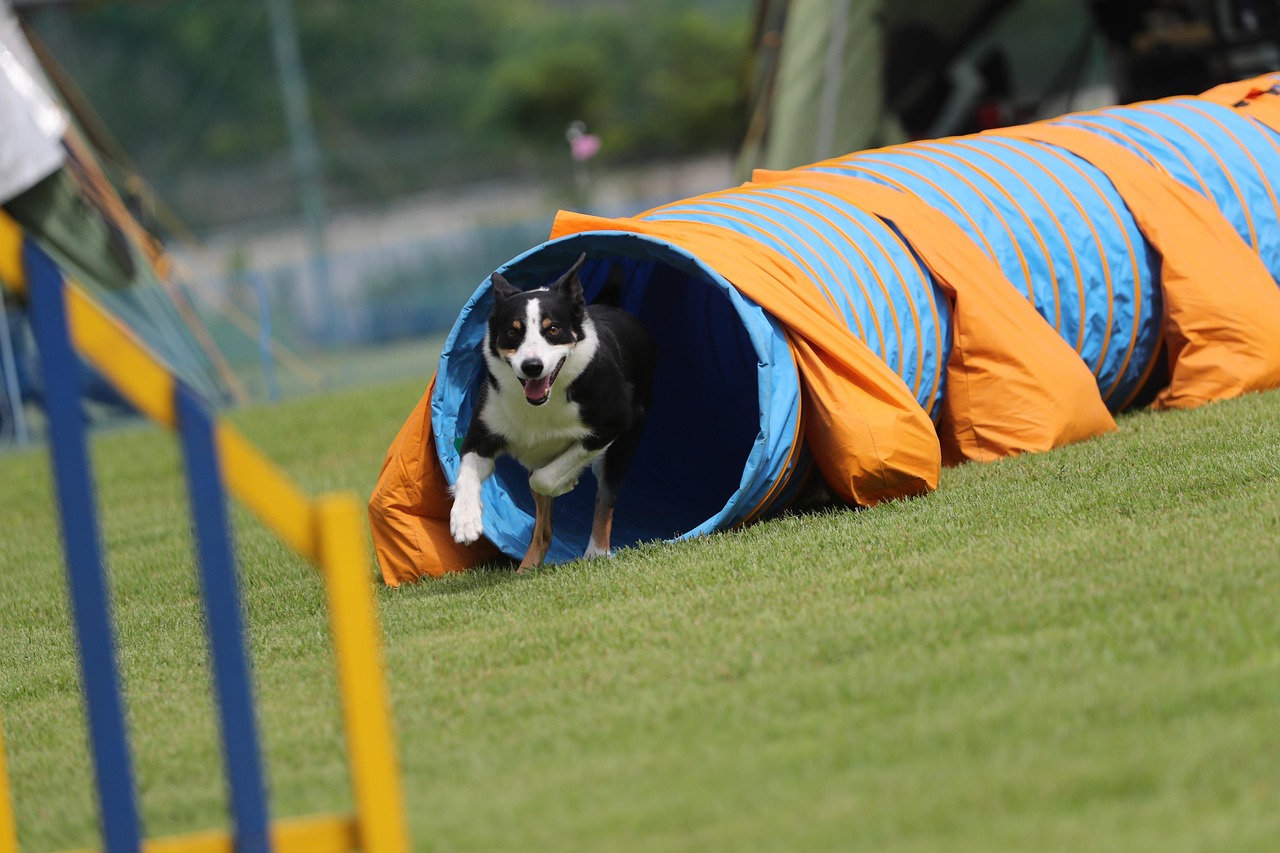
One of the significant aspects of agility training is ensuring your dog has access to proper equipment designed for safety and functionality. Agility obstacles like tunnels, jumps, and weave poles should be checked regularly for wear and tear, as compromised equipment can pose risks. Ensure that the jumps can be adjusted to cater to different sizes and skill levels. Using non-slip surfaces or mats under agility equipment can prevent your dog from slipping, thereby reducing the risk of injuries. Assess the construction materials of the equipment to make sure they are suitable for outdoor use, especially if drills are planned in varying weather conditions. Regularly inspect equipment for sharp edges or protruding elements that can be harmful. If you use tunnels, ensure they are sturdy and easily visible to your dog. This visibility can help eliminate confusion during training. Additionally, when assembling your agility setup, create ample space between obstacles to avoid collisions. A well-organized environment contributes significantly to a safe training experience. Moreover, always have your dog wear a properly fitted collar and leash during practice to maintain control and facilitate swift responses.
Recognizing Signs of Distress
Being attentive to your dog’s behavior during training sessions is vital for spotting signs of distress or overexertion. Common indicators such as heavy panting, reluctance to follow commands, or disinterest in activities could signal fatigue. If these signs are present, it’s essential to allow your dog to take a break and recover. Altering the training session’s intensity or duration may be necessary to ensure your dog’s safety. Keep in mind that dogs express their discomfort differently; some may become more vocal while others may appear withdrawn. Always have a plan in place to address such changes in demeanor. It’s beneficial to schedule regular assessments to gauge your dog’s fitness levels and adjust training plans accordingly. Providing adequate rest periods during intense sessions avoids fatigue and maximizes performance. Stay flexible in your training approach, understanding that modifications may be needed as your dog’s skill and energy levels evolve. By fostering a supportive environment, you ensure that your dog feels safe and happy, which ultimately leads to more effective training sessions.
Hydration is another critical element in keeping your dog safe during high-intensity agility drills. Always have fresh water available before, during, and after your training sessions to ensure your dog remains hydrated. Water is vital in assisting your dog’s physical capabilities, particularly when undertaking strenuous activities. Dehydration can significantly affect a dog’s performance and lead to exhaustion, heatstroke, or even serious health issues. To cultivate a habit of drinking during breaks, encourage your dog to sip at intervals. Experiment with hydration options such as dog-friendly electrolyte solutions if your workouts last longer. Frequently assess whether your dog is drinking enough water, especially on warm days. Watch out for signs of dehydration, such as dry gums, decreased energy, or excessive panting. After sessions, consider providing a small, nutritious snack to replenish their energy levels. Ideally, these snacks should be high in protein and healthy fats to aid muscle recovery. Incorporating these hydration techniques can have a substantial effect on your dog’s overall well-being and performance during training, enhancing safety while keeping their energy levels stable.
Conclusion and Best Practices
In conclusion, maintaining safety during high-intensity agility drills involves a multi-faceted approach focusing on physical fitness, proper equipment, hydration, and keen observation. Engaging a professional trainer can provide additional expertise in setting up a safe training environment. Following the best practices outlined will not only safeguard your dog’s well-being but also improve their performance and enjoyment of agility training. Foster a culture of safety by constantly evaluating the training process and ensuring your dog adapts well to each phase. Consistently review the equipment, monitor your dog’s behavior, and maintain good communication throughout training sessions. These steps create a routine that emphasizes both fun and safety. Ultimately, the goal of agility training is to strengthen the bond between you and your dog. Mutual trust can transform training sessions into safe and enjoyable experiences for both parties. Thus, by prioritizing your dog’s safety, you pave the way for a rewarding agility training journey filled with growth and achievement as you navigate the challenge together.
Lastly, remember that agility training is a dynamic and adaptive process. What may work today might need adjustment as your dog grows older or their skills develop. Open communication with your trainer and veterinarian can help create a customized training plan that continues to emphasize both safety and skill enhancement. Regular feedback can identify when your dog may need more assistance, a change in exercise, or even a longer rest period. Such attentiveness will not only enhance their performance but ensure a long and fulfilling career in agility sports. Always keep your training sessions short and engaging, allowing your dog to work hard while still enjoying the exercises. This joyful atmosphere cultivates both success and the deepening of your relationship. By establishing a solid foundation of trust and understanding between you and your dog, you foster an environment where learning can flourish. The journey of agility training is about pushing limits while ensuring safety remains paramount. Celebrate your achievements together, no matter how small, and let these moments strengthen your bond as you share in the excitement of reaching new milestones together. Happy training!