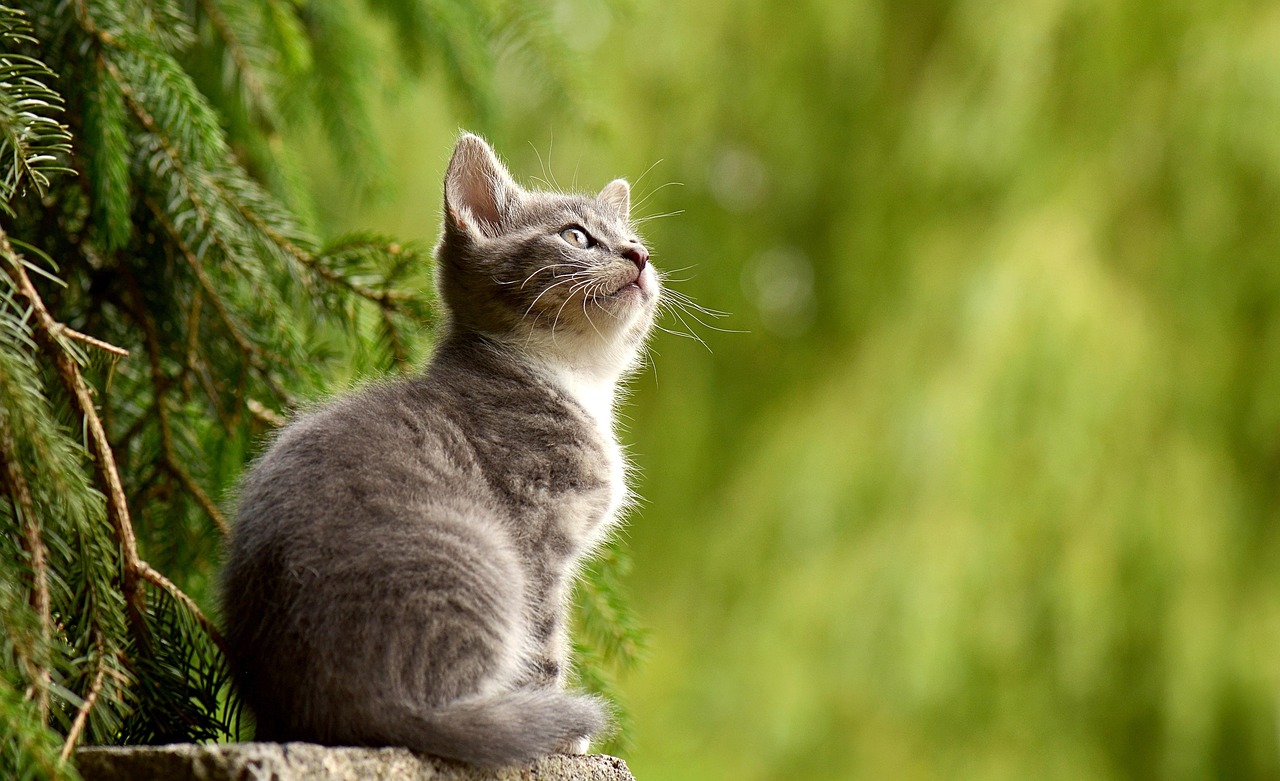

Signs of Digestive Problems in Kittens That Require a Vet’s Evaluation
As a caring kitten owner, understanding when to seek veterinary attention is crucial for your pet’s health. Digestive problems are common in kittens, and early recognition is essential. Kittens may exhibit a variety of symptoms that could indicate digestive issues, ranging from vomiting to changes in appetite. If your kitten has persistent vomiting, it’s important to consider that this may signal a serious underlying problem, such as an intestinal blockage or infection. Similarly, diarrhea can lead to dehydration, which is extremely dangerous for young animals. Look for the presence of blood in feces, which is a strong indicator to call your veterinarian immediately. Changes in behavior, such as lethargy or loss of interest in play, can also point to digestive distress. Keeping an eye on your kitten’s litter box habits will help you identify any issues quickly. Consult your vet promptly whenever you notice unusual signs so that timely interventions can be administered. The quicker you act, the better the chances of a successful outcome. Always remember to prioritize your kitten’s wellbeing by ensuring routine check-ups and vaccinations. Your kitten relies on you to keep them healthy.
It’s important to be aware of the overall health of your kitten by monitoring their eating patterns closely. A significant change in appetite can indicate underlying digestive issues that may not be immediately apparent. If your kitten suddenly stops eating or shows reluctance to consume their usual diet, it is wise to contact your veterinarian. Additionally, if your kitten is over-consuming food and seems to be gaining weight rapidly, this can also lead to digestive upsets. Be mindful of any signs of bloating or abdominal discomfort, which may present as a reluctance to be touched or excessive grooming. Allergies to certain foods can also trigger digestive problems, leading to adverse effects like vomiting or diarrhea shortly after eating. Keeping a food diary can assist in pinpointing any problematic ingredients. In the case of sudden weight loss, take this very seriously. Combine nutritional information with observed behaviors to provide your vet a clear picture. Some kittens can be picky or suspicious of new foods, which may complicate their nutrition. Observing their habits will provide useful insight when seeking veterinary advice. Consistency is key to a healthy feline diet.
Increased Thirst and Urination
Another vital sign of potential digestive problems in your kitten is an increase in thirst and urination. Kittens experiencing gastrointestinal issues may often develop secondary complications such as dehydration and an inability to maintain normal hydration levels. If you notice that your kitten is drinking significantly more water than usual or urinating more frequently, it may be time to seek veterinary advice promptly. Excessive thirst can indicate kidney-related problems or diabetes, both severe conditions requiring immediate evaluation and treatment. Furthermore, kittens suffering from diarrhea often lose substantial fluids, contributing to weakness and lethargy. Monitoring your kitten’s litter box habits is key to identifying these changes early on. It is not uncommon for kittens to also exhibit behavioral changes linked to their discomfort, such as isolating themselves or displaying aggression. Keep note of any sudden behavior shifts; these can be a reflection of their physical condition. The best course of action is to act quickly and consult your veterinarian about these signs, who can guide you through effective solutions tailored to your kitten’s unique needs. Early intervention can be critical in handling potentially severe issues.
If your kitten begins to exhibit signs of discomfort or pain in their abdomen, this should raise immediate concern. Being attentive to your kitten’s body language can reveal significant insights into their health. For instance, if your kitten whines, meows excessively, or avoids being touched, these can be clues that they’re in pain. Abdominal distension can sometimes result from severe digestive problems or even parasites. In severe cases, a swollen abdomen may indicate something as serious as internal bleeding. Perform a gentle examination of your kitten’s belly; if you note any hardness or unusual tenderness, this warrants an immediate visit to the vet. Be vigilant of signs such as straining to defecate or if the kitten isn’t producing stool at all. A case of constipation or gastrointestinal blockage can occur, demanding professional care. When dealing with kittens, it’s critical to foster a responsive approach towards their private signals of discomfort. A kitten in distress may not present overt symptoms, thus it is best to follow your instinct if you suspect something is amiss. Your willingness to seek immediate help can lead to timely interventions, which can save your kitten from more profound health issues.
Unusual Fecal Consistency or Color
The condition of your kitten’s stool can provide valuable insight into their digestive health. Observing changes in fecal consistency and color can help identify underlying problems early. If you notice that your kitten’s feces have suddenly become very soft or diarrhea-like, this is a signal that warrants concern. Diarrhea can often lead to malabsorption of nutrients and dehydration, and prolonged diarrhea can become life-threatening. Also, monitor for abnormal colors like red or black. Black stools can indicate potential internal bleeding, while bright red could be a sign of gastrointestinal bleeding. Both cases require immediate veterinary evaluation. Encourage better litter box habits to facilitate monitoring by providing a clean and quiet space. When assessing your kitten’s stool, take a moment to consider any new foods that may have contributed to this change. If dietary indiscretion or a sudden switch in food brands is suspect, you might discuss with your vet about transitioning back to their original diet or finding suitable alternatives. Keeping detailed notes on litter habits will enable your vet to diagnose issues faster during consultation. Early awareness could save your kitten a great deal of future distress.
Behavioral changes are a critical aspect to consider when monitoring your kitten’s health and can often accompany digestive difficulties. If your previously playful kitten suddenly becomes more withdrawn or lethargic, this can be an indicator of underlying issues. Kittens are naturally energetic, and such changes could signify they’re not feeling well. Additionally, if your kitten is hiding away more than usual or showing signs of distress, contact your veterinarian. Changes in energy levels might reflect how well they’re able to digest and absorb nutrients and can point to problematic health aspects that need evaluation. Having an engaged playtime routine can assist in monitoring behavioral norms and identifying deviations. On the contrary, increased aggression or irritability can also arise from physical discomfort stemming from stomach issues. To gauge your kitten’s overall mood, creating a calm and safe environment can help alleviate anxiety or fear. By closely observing behavior patterns and maintaining an open line of communication with your vet, you can work to establish a treatment plan if issues are detected swiftly. Healthy social interactions often point to an effectively functioning digestive system, so take every change seriously.
Conclusion and Next Steps
In conclusion, understanding the signs of digestive problems in kittens is crucial for any responsible pet owner. The various indicators discussed, such as changes in appetite, unusual stool consistency, increased thirst, and behavioral changes, should prompt an immediate call to your veterinarian. Early intervention can significantly improve the outlook for any underlying issues and lead to a healthier, happier kitten. Consistently monitoring their habits will empower you to recognize potential problems quickly. Additionally, keeping a diary of their eating and litter habits can provide essential information to your vet during consultations. This proactive approach is particularly critical for kittens, as they are more susceptible to health complications due to their smaller size and developing systems. Ensure your kitten receives regular veterinary check-ups to prevent many digestive issues before they arise. With adequate care, consistent monitoring, and timely veterinary consultations, you can ensure that your feline friend leads a healthy life. Regular vaccinations and maintaining a balanced, nutritious diet also play roles in overall wellness. Always advocate for your pet’s needs and ensure they receive the attention they deserve at the first sign of trouble.
Your kitten relies on you for their well-being, so don’t hesitate to reach out to your vet whenever you sense something may be off. Building a healthy relationship with a veterinarian will also benefit your kitten significantly. Keeping these signs in mind is crucial in ensuring that your furry companion remains in the best of health.