
Best Fitness Routines for Senior Dogs
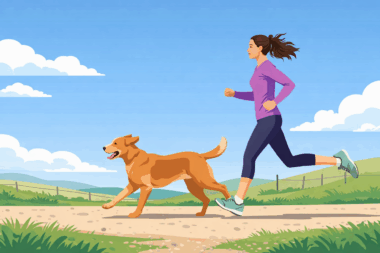
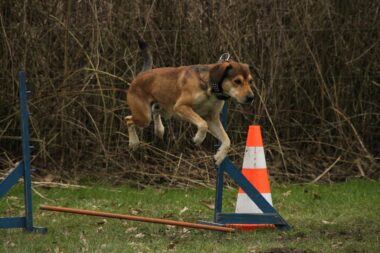
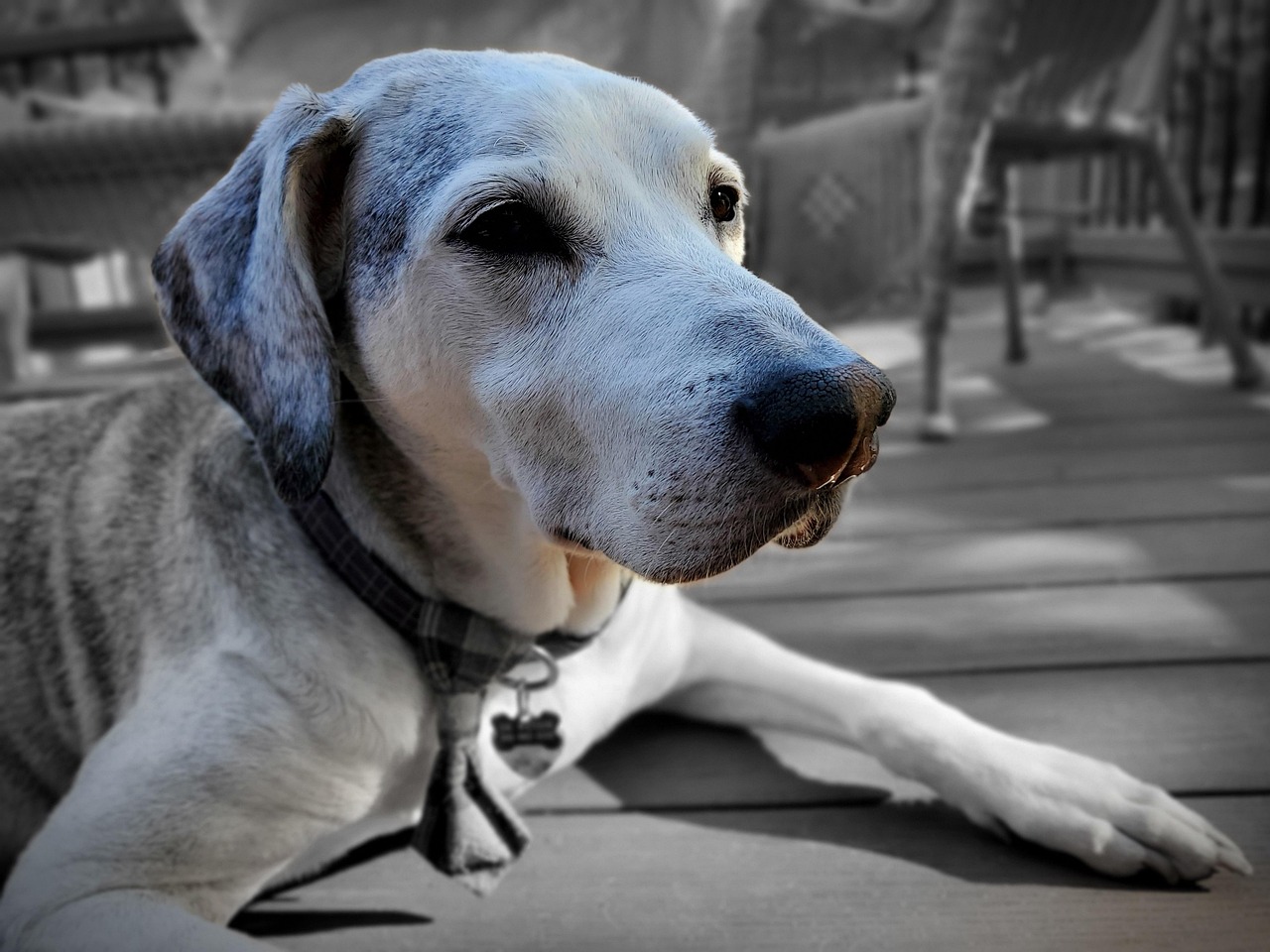
As dogs age, their fitness needs change significantly. Ensuring that your senior dog remains active is crucial for maintaining their health and mobility. Regular exercise helps maintain muscle mass, supports healthy joints, and aids in weight management, reducing the risk of obesity-related conditions. Senior dogs may not have the same energy levels as younger dogs, so adapting fitness routines to their needs is essential. Gentle activities are often more suitable for older dogs to avoid injuries and stress on their bodies. Consider incorporating short walks, which can be ramped up gradually as your dog’s stamina improves. It’s important to pay attention to your dog’s behavior and energy levels during exercise. They may require more rest breaks than before, and it’s wise to limit exercise during hotter weather. Regular fitness routines can also enhance mental stimulation, which is just as vital for senior dogs. Exploring different environments during walks can help keep them mentally engaged. Overall, the primary goal should be to promote a balanced lifestyle through a series of tailored exercises that cater to their aging bodies.
Understanding Their Limitations
Understanding your senior dog’s limitations is crucial in creating a fitness plan. Senior dogs may face various health issues, including arthritis or reduced mobility, that can affect their ability to exercise. Recognizing these factors is essential to prevent injuries and ensure enjoyable activity sessions. Start by assessing your dog’s general health through regular veterinary check-ups. These check-ups can help detect any underlying conditions early on and allow for adjustments in their exercise regimens. Tailoring exercise routines to fit your dog’s individual needs is vital; this includes being mindful of their joint health. For dogs with arthritis, low-impact exercises like walking or swimming are often recommended. Swimming, especially, can be a fantastic way for your dog to stay active without putting undue pressure on their joints. Always observe for any signs of discomfort during activity and adjust accordingly. A gradual introduction to exercise can be beneficial, helping your dog to build strength over time. Remember to keep sessions short and upbeat, using positive reinforcement to enhance their engagement and motivation during these routines.
Incorporating playtime into your dog’s routine is another excellent way to keep them fit and stimulated. Light fetch games or interactive toys can be beneficial and help your senior dog enjoy exercise without strain. It’s vital to ensure that the toys are easy to handle, considering your dog’s potential reduced mobility. Additionally, mental stimulation through puzzles or scent games enhances their overall well-being. Whether hiding treats around the house or using dedicated puzzle toys, activities that engage their minds can help combat boredom and keep them active. You can also incorporate these activities into your dog’s daily routine alongside physical exercise. Always remember to modify play intensity based on your dog’s comfort levels and preferences. Socialization with other dogs can also be a crucial aspect of fitness, providing mental and physical benefits. Arrange playdates with dogs of similar energy levels to create a relaxed and enjoyable environment. This interaction helps your dog maintain social ties, which is essential for their emotional well-being. Ultimately, creating a well-rounded routine that balances physical and mental aspects can enhance your senior dog’s quality of life significantly.
Home Workouts for Senior Dogs
Home workouts can greatly benefit senior dogs, particularly when outdoor conditions are less than ideal. There are various physical activities that can be performed in a safe and comfortable home setting. Engage your dog by inviting them to follow you during simple exercises, like stretches or gentle yoga poses designed for pets. These activities can improve flexibility and strengthen their muscles. Integrating basic commands like sit, stay, and roll over during these home exercises not only keeps them active but also reinforces their training. This can create a fun environment where learning and physical activity go hand in hand. For motivation, consider incorporating some of their favorite toys into the workout sessions, encouraging them to reach for and fetch items. Cleaning the house together with your dog can also be fun — they can help you pick up their toys or encourage them to follow you around while vacuuming. Always ensure the area is free from obstacles that could lead to injuries, keeping your senior dog as safe as possible while being active at home. Regular home workouts can thus become an enjoyable, bonding experience for you and your beloved pet.
Diet also plays a crucial role in your senior dog’s fitness and overall health. Maintaining a balanced diet tailored to their needs can provide them with the energy they require to keep up with their fitness activities. Consult your veterinarian for recommendations on appropriate foods, as some senior dogs may need specific diets that are lower in calories yet high in essential nutrients. Incorporating fiber-rich foods can also help maintain a healthy digestive system, which is vital as dogs age. Fresh fruits and vegetables can serve as effective low-calorie treats, providing additional nutrition without excess weight. Ensuring proper hydration is also necessary; always provide access to fresh water, especially after any exercise sessions. Monitor their weight closely to ensure they remain at a healthy level, making adjustments to their food intake as needed. Feeding smaller, more frequent meals throughout the day can help maintain energy levels while preventing overeating. Overall, a well-thought-out diet plan complements exercise routines and helps keep your senior dog happy and healthy, ultimately improving their quality of life.
The Importance of Routine
Establishing a consistent exercise routine is essential for senior dogs, as predictability can provide structure and comfort. Regularly scheduled workouts contribute to physical fitness while promoting mental well-being. Dogs thrive on consistency, so having specific times set aside for exercise can enhance their willingness to engage actively. Create a realistic schedule that you can adhere to, considering both your and your dog’s activity levels. Short sessions spread throughout the day may be more beneficial than a single long workout. This balances their energy expenditures and recovery time. Adapting your exercise frequency and intensity as they age will also keep them engaged while ensuring safety. Incorporating a mix of activities throughout the week promotes comprehensive physical health. They can enjoy various exercises, such as swimming, hiking, or leisurely walks. Additionally, try to maintain a positive tone during these sessions, as your attitude can significantly influence your dog’s enthusiasm. Treating every exercise session as an opportunity for bonding and fun can lead to a more enriched experience for both of you. Remember, the ultimate goal is to find joy in each activity, celebrating every small achievement along the way.
In conclusion, keeping senior dogs fit requires mindful consideration of their changes as they age. Offering tailored fitness routines—alongside a proper diet and established routines—can significantly enhance their quality of life. Always coordinate with your veterinarian to ensure that your fitness plans align with your dog’s specific health needs, and be prepared to make adjustments as necessary. The exercises should be enjoyable both for you and your dog, reinforcing your relationship while promoting an active lifestyle. Sensitivity to their limitations due to aging is crucial; always observe their behavior and comfort levels during activities. Remember that a balance of physical and cognitive exercises can provide them with both necessary fitness and engagement. Lastly, celebrating their achievements, whether small or large, encourages them to participate willingly. It’s essential to create a loving environment where they feel supported and motivated. With an emphasis on effective and enjoyable fitness activities, senior dogs can lead fulfilling lives full of joy, energy, and companionship.