
Exercise Tips for Overweight Dogs
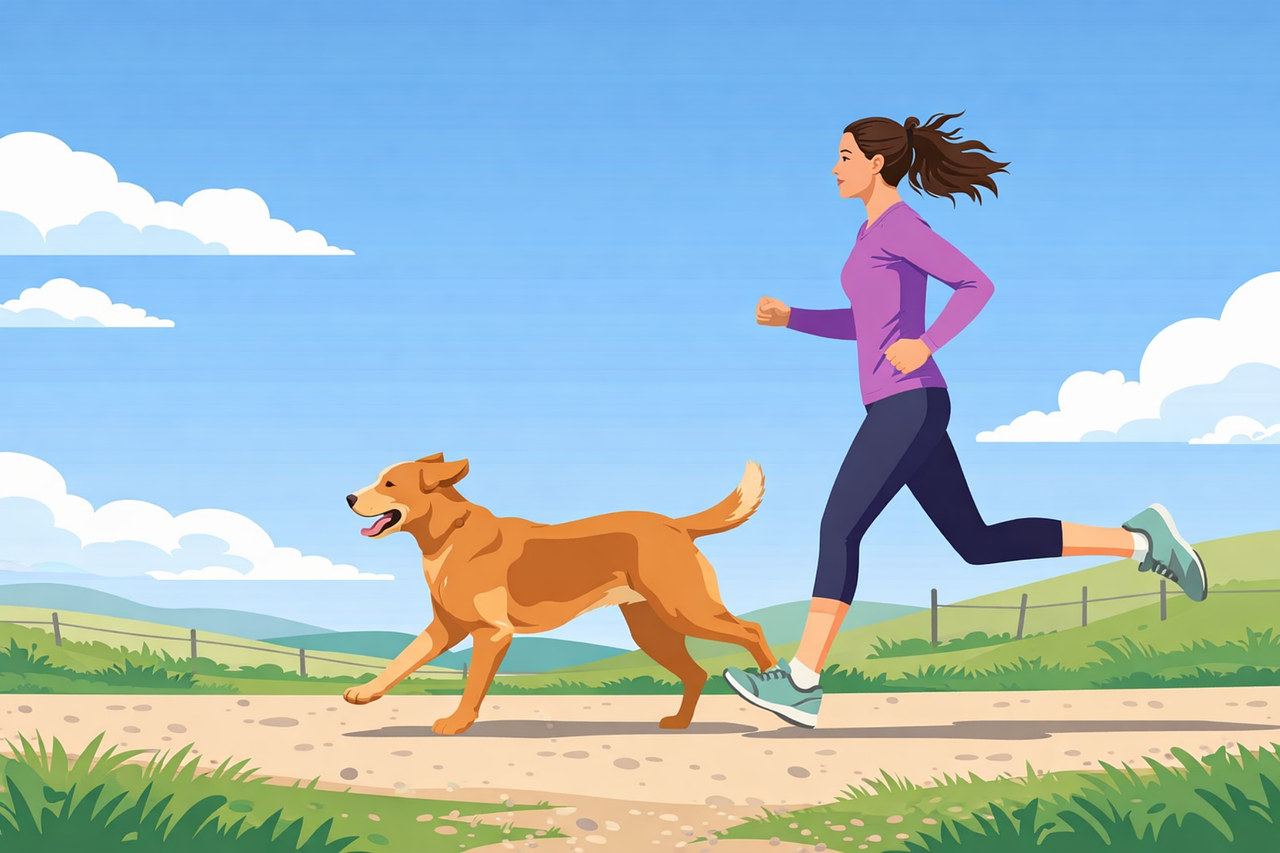
Just like humans, dogs also need regular exercise to maintain a healthy weight and keep their bodies fit. Overweight dogs can face many health issues, including diabetes, heart disease, and joint problems. Incorporating exercise into your dog’s routine is vital. However, it’s important to begin slowly, especially if your dog has been inactive for a while. Short walks at a comfortable pace are a great starting point, allowing your dog to adjust to the idea of exercise gradually. Aim to walk at least twice a day, and keep it fun with different routes to stimulate their curiosity. Also, consider including playtime as a form of exercise. Games like fetch or tug-of-war can help burn calories while strengthening your bond with your dog. Additionally, keep an eye on your dog’s energy level and physical limitations. If your dog shows signs of fatigue or discomfort, take a break and gradually increase the intensity of their workouts over time. It’s highly beneficial to consult your veterinarian for tailored exercise recommendations. They can help monitor your dog’s progress and suggest the best types of activities for their specific needs.
As your dog begins to engage in more exercise, it’s crucial to track their progress. Keeping a log helps you both stay motivated, and you can see how far they have come. You may also want to consider using a fitness tracker or a mobile app dedicated to pet fitness. Not only will this allow you to monitor their activity levels, but it’ll also make exercising more enjoyable. This tech can track distance, time, and calories burned. Additionally, setting achievable goals, such as reducing their weight by a certain amount each month, can give you and your dog something to strive for. Remember, consistency is key, and creating a routine will help ensure your dog makes exercise a regular habit. You should also incorporate different activities to keep things interesting. Swimming is an excellent low-impact exercise option for overweight dogs, as it puts minimal stress on their joints. Moreover, agility courses and dog parks can provide great opportunities for socialization with other dogs and additional physical challenges. Don’t forget to adjust their diet accordingly as you increase their activity levels to support their weight-loss journey.
Create a Balanced Exercise Plan
Creating a balanced exercise plan for your overweight dog will not only support weight loss but also enhance their overall health. Begin by assessing your dog’s current fitness level and consider their age, breed, and personal health conditions when developing this plan. Start with gentle activities like leash walks that gradually increase in length and intensity. As time goes on, incorporate more vigorous activities like running or hiking, but ensure they are age-appropriate and safe. Remember to make it fun by introducing various activities to keep your dog engaged. Consistency is vital; try to have daily sessions, allowing your dog to expect and enjoy these playtimes. Ensure good hydration by providing access to fresh water during and after workouts. It’s also essential to monitor your dog’s weight and overall health regularly. If you notice any issues, consult a veterinarian, who may have recommendations for an improved fitness plan or dietary changes to help reach your goals. Ultimately, the aim is to foster a healthy lifestyle with proper exercise while building a strong bond with your furry friend.
In addition to physical exercise, mental stimulation is equally important for overweight dogs. Activities such as puzzle toys, obedience training, and interactive games can engage your dog’s mind while expending energy. These activities can be particularly beneficial when it’s too hot or cold outside for a workout. Dogs appreciate mental challenges and learn new skills that keep them happy and healthy. You can also include training sessions in their exercise routine. Teaching your dog commands like “sit,” “stay,” or “come” can add variety while maintaining important behavioral skills. Remember that positive reinforcement with treats or praise can make these sessions enjoyable for your dog. Furthermore, socialization is crucial for your dog’s mental health; arrange playdates, take them to dog parks, or sign up for training classes. By providing opportunities for social interaction, your dog will have fun while getting fit. These interactions often lead to decreased anxiety and behavioral issues, making it a win-win situation. Overall, ensure that exercise remains positive and fun to create long-lasting healthy habits.
Incorporating Fun Activities
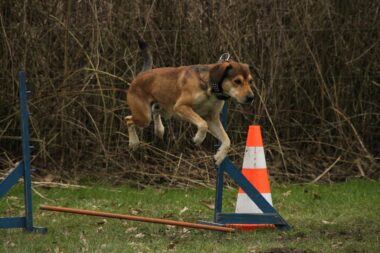
There’s no denying that exercise can often feel like a chore, but infusing fun into your dog’s fitness routine can make it enjoyable. Consider myriad activities that combine playtime with exercise. For example, frisbee is a fantastic option; it encourages running and jumping, which will benefit your dog immensely. Moreover, hiking can offer stimulating environments where your dog can explore and enjoy nature while getting their exercise. These experiences not only keep your dog engaged but also help strengthen your bond while enjoying the great outdoors. Swimming is another option that many dogs love, providing an excellent workout with low impact on their joints. Fetch in a pool or lake can be a fantastic way to keep your dogs cool while also giving them exercise. Dog-friendly classes, such as agility training, can provide an excellent environment for physical activity combined with socialization opportunities. With the right activities, your dog will not only work on losing weight but also improve their social skills and cognitive functions, creating a more well-rounded pet.
Lastly, be sure to celebrate your dog’s achievements along the way, no matter how small they may seem. Positive reinforcement is crucial in providing encouragement to your overweight dog throughout their fitness journey. Consider giving your dog treats or extra praise when they complete a goal or reach a milestone. This can foster a positive association with their exercise routine, making them more likely to continue participating. Additionally, maintaining a balanced diet is critical to supporting your dog’s fitness endeavors. Consult your veterinarian for recommendations on dog food options tailored to your pet’s age and weight loss goals. Ensure that portion control is adhered to daily, as this will help monitor calorie intake. Schedule regular veterinary check-ups to keep track of their general health and receive further dietary advice. Creating a comprehensive fitness regimen for your overweight dog takes time, patience, and regular adjustment. However, consistency in your efforts can lead to remarkable health transformation for your beloved companion, giving them a happier, longer life filled with joy.
In conclusion, successfully managing your overweight dog’s exercise routine involves a comprehensive approach that includes physical and mental activities to stimulate your dog. Implementing consistent schedules, incorporating a variety of fun activities, and establishing the right diets are key components to enhance your dog’s overall fitness levels. While this journey requires dedication, the bond formed and the joy seen in your dog as they achieve a healthier lifestyle will bring immense satisfaction. Establishing small, attainable goals as a foundation, you create a stepping stone leading to profound changes in your dog’s health over time. For best results, frequently assess their progress, making adjustments as needed while consulting with your vet. Positive reinforcement encourages them along the way, fostering a love for exercise. By ensuring that each exercise session is enjoyable, you transform the view of exercise from a burden into an exciting and engaging adventure for your dog. In doing so, you pave the way for your pet to lead a longer, happier, and healthier life, allowing them to thrive as they shed excess weight. Investing time in their health means investing in a joyful future together with your furry friend.
Pursuing this journey of helping your overweight dog get fit is, indeed, a rewarding endeavor. Witnessing your pet’s transformation, from being sluggish to energetic, is an enriching experience that is certainly worth the effort. Remember, a well-exercised dog is not only healthier but also happier, reducing behavior issues linked to obesity. With this guide, take the steps necessary to ensure your canine companion thrives. Keep your focus on their well-being while establishing a foundation that leads to a healthy lifestyle filled with love and activity. Consult with professionals as needed to ensure your dog is on the right path to fitness success. Enjoy the process, the time spent with your dog, and please remember that every little victory counts. Healthy habits established today will benefit your dog for years to come, paving the way for an enriched life full of joy, love, and companionship. Being active with your dog strengthens your bond, and builds memories that last a lifetime. So get started right away, together you and your dog can embark on this adventure toward health and happiness.