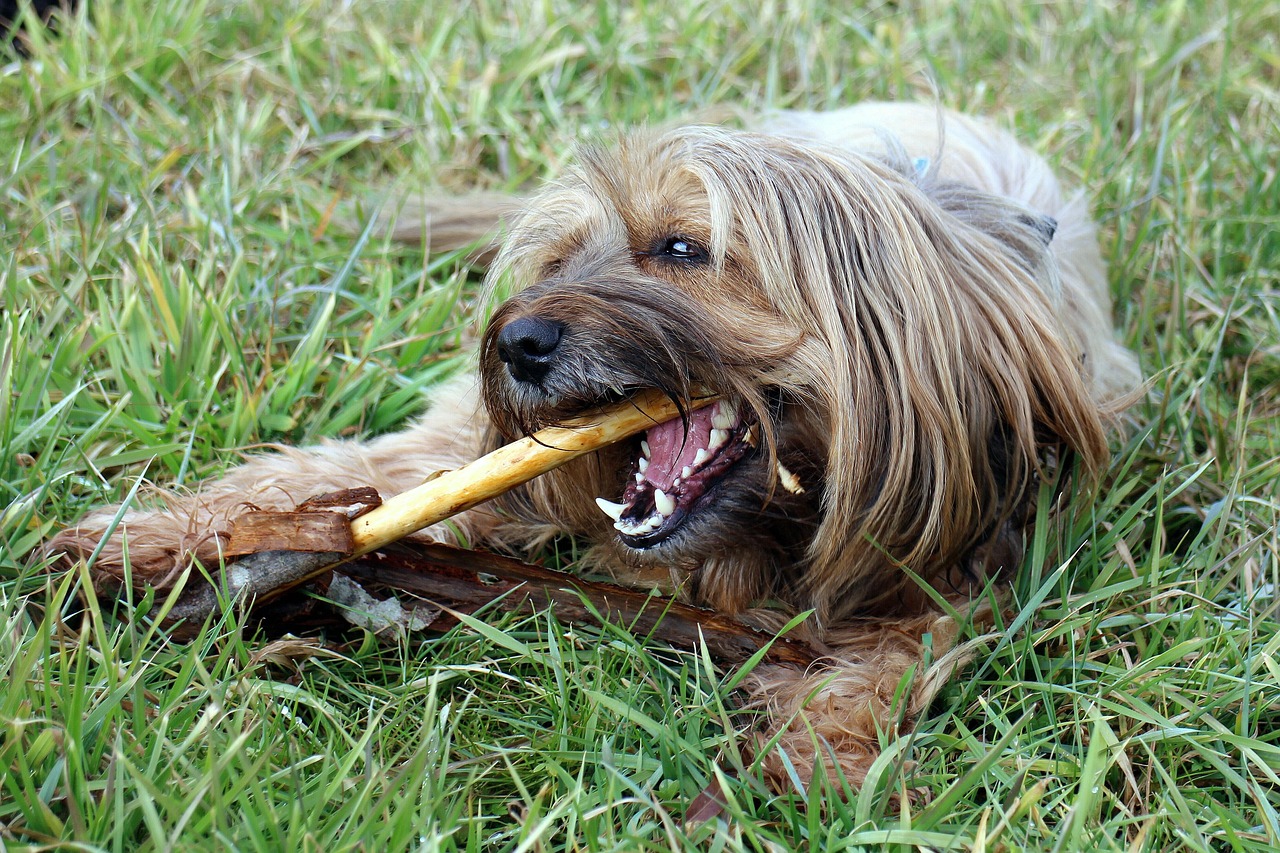

Best Practices for Dental Care Training in Large Dog Breeds
Maintaining your dog’s dental health is essential for their overall well-being. Large dog breeds, in particular, need special attention during dental care training. Firstly, it is vital to start the process early. Puppies are more adaptable, and introducing daily dental care routines can create a positive experience. Consider using flavored toothpaste designed for dogs to make brushing more enjoyable. Secondly, regular visits to the veterinarian for professional cleanings ensure that any underlying dental issues are promptly addressed. In addition to brushing, incorporating dental chews into their diet promotes healthy teeth and gums. These chews can help reduce plaque buildup and satisfy your dog’s natural chewing instincts. Next, familiarize your dog with having their mouth handled and inspected frequently, turning it into a bonding activity. If your dog resists, take it slow and encourage them with praise and treats. Rewarding them after positive experiences reinforces good behavior. Remember to maintain a consistent schedule, as dogs thrive on routine. Lastly, make use of toys designed for dental health, which can supplement your dog’s at-home dental care regimen. This multifaceted approach can significantly enhance dental hygiene.
Another effective way to facilitate dental care training is by using positive reinforcement. This method involves rewarding desired behaviors, making your dog more likely to repeat them. Begin by introducing tools like toothbrushes and dental wipes, allowing your dog to investigate them first. Use treats or their favorite toy to create a positive association with these items. Integrating these tools into playtime helps alleviate any anxiety your dog may feel. The aim is to make dental care a fun and rewarding experience rather than a chore. Consistency is crucial – maintain the same time and place for brushing, which will help establish this as part of their routine. Also, aim for short, effective sessions rather than prolonged brushing times. Gradually increase the duration as your dog becomes more comfortable with the process. For large breeds, proper positioning is critical. Ensure that your dog is stable during brushing, preventing unintentional movement. Lastly, be patient. Every dog adapts differently, and your persistence will pay off. The ultimate goal is to create a stress-free and effective dental care routine, ensuring lasting oral health for your beloved dog.
Incorporating Dental Health into Daily Life
Integrating dental health practices into your dog’s daily life enhances their overall routine. Begin by adding dental care to their feeding schedule, brushing before or after meals. This habit reinforces the practice’s importance, reminding both you and your dog of its necessity. Ensure that your dog has access to water at all times, as hydration supports healthy gums and reduces plaque buildup. Additionally, take advantage of interactive toys that naturally clean teeth as your dog plays. These toys provide entertainment while performing dual functions – addressing both boredom and dental health. Consistently offering these will help keep their enthusiasm high for dental activities. Incorporating diverse textures in their diet also contributes to dental care. Chewy foods can help in scraping away plaque naturally. Furthermore, consider selecting high-quality kibble specifically formulated to promote dental health. This form of proactive care can significantly reduce future dental issues. Regular monitoring of your dog’s teeth for signs of tartar buildup or gum issues is important. Catching issues early facilitates timely intervention, which can save your dog from additional pain and discomfort later on. Fostering strong dental habits early promotes lifelong oral health.
In addition to brushing and diet, consider alternative products that can aid in maintaining your dog’s dental health. Dental rinses, water additives, and specially formulated dental gels are excellent options to explore. These products can supplement brushing, especially on days when you struggle to brush effectively. Additionally, utilizing dental wipes can be a quick solution during busy days. They are simple to use and can help in keeping the teeth relatively clean, especially when on the go with your dog. However, remember that these options should not replace regular brushing, as they serve as supplementary care. Always consult your veterinarian for guidance on the best products, ensuring compatibility with your dog’s specific needs. Moreover, ensure that any dental products are pet-friendly and safe for your dog’s unique condition. Furthermore, regularly updating your knowledge about dog dental care empowers you to make informed decisions and adapt your approach. Keeping up with research and veterinary advice is key to ensuring your dog’s oral hygiene is effectively managed. By continually exploring available options, you can find what works best for your dog’s personality and dental health.
Recognizing Signs of Dental Problems
Recognizing the signs of dental issues in dogs is vital for proactive care. Bad breath is often the first noticeable sign your dog may have dental problems, usually indicating plaque buildup or gum disease. Observing your dog’s behavior while eating is also telling; watch for pawing at their mouth or reluctance to chew hard food. These signs may indicate pain or discomfort from dental issues. Another warning sign is excessive drooling, which can result from oral pain or infection. If you notice swelling around your dog’s gums or persistent redness, make an appointment with your veterinarian immediately. Regular dental check-ups allow for professional assessments of your dog’s dental health, where potential problems can be identified early. Your veterinarian might recommend dental cleanings, extractions, or other treatments based on the severity of the issue. Implementing routine dental exams as part of your dog’s wellness checks ensures that dental concerns do not escalate into severe problems. Additionally, tracking your dog’s oral odor can provide insight into their dental health and encourage timely intervention. Overall, vigilance and regular dental attention are essential components of maintaining a healthy mouth for your furry companion.
Moreover, educating yourself about breed-specific dental issues can be beneficial. Large breeds often face unique dental health challenges due to their size and jaw structure. Understanding these challenges helps tailor your dental care routine effectively. Consulting breed-specific resources can provide deeper insight into common dental problems and recommended preventative measures. Engaging with other dog owners or communities online can enhance your knowledge base, allowing for shared experiences and solutions. Additionally, attending seminars or workshops on canine dental care can further your understanding. Seek advice from veterinary professionals regarding unique dental care requirements for large breeds versus smaller dogs. Furthermore, while training your dog for dental care, consider their temperament and personality. Some dogs may require a more gradual approach, while others may accept dental care readily. Adjust your strategy based on your dog’s response, making the process individualized. Patience and consistency remain central to any training regimen. A positive, loving approach fosters a trusting relationship between you and your dog, encouraging them to cooperate during routines. Ultimately, understanding your dog’s unique dental health requirements ensures years of happy, healthy companionship.
Long-Term Dental Health Benefits
Long-term dental care training yields numerous benefits for your large dog breed. Firstly, improved dental hygiene directly correlates with better overall health. Healthy teeth and gums reduce the risk of infections spreading to other parts of the body, eventually leading to beneficial effects. Furthermore, maintaining good oral hygiene minimizes the likelihood of expensive veterinary procedures due to dental disease. Preventative care proves to be financially prudent while ensuring your dog’s comfort; money spent on dental supplies ultimately saves on costly treatments later. Well-trained dogs also exhibit happier behaviors, expressing less pain or discomfort. Lower stress levels in your dog contribute to a better quality of life, allowing for playful interactions and engagement. As a pet owner, fostering these positive experiences strengthens the bond between you and your resilient furry friend. Applying effective dental care practices positively nurtures not only microbial balances in their mouth but also boosts their overall self-confidence. Dogs that receive consistent dental care feel more at ease during regular check-ups, promoting greater trust in their environment and routines. Overall, proper dental care is an essential step toward a lifetime of happiness, health, and companionship.