
Mastering the Basics of Dog Frisbee
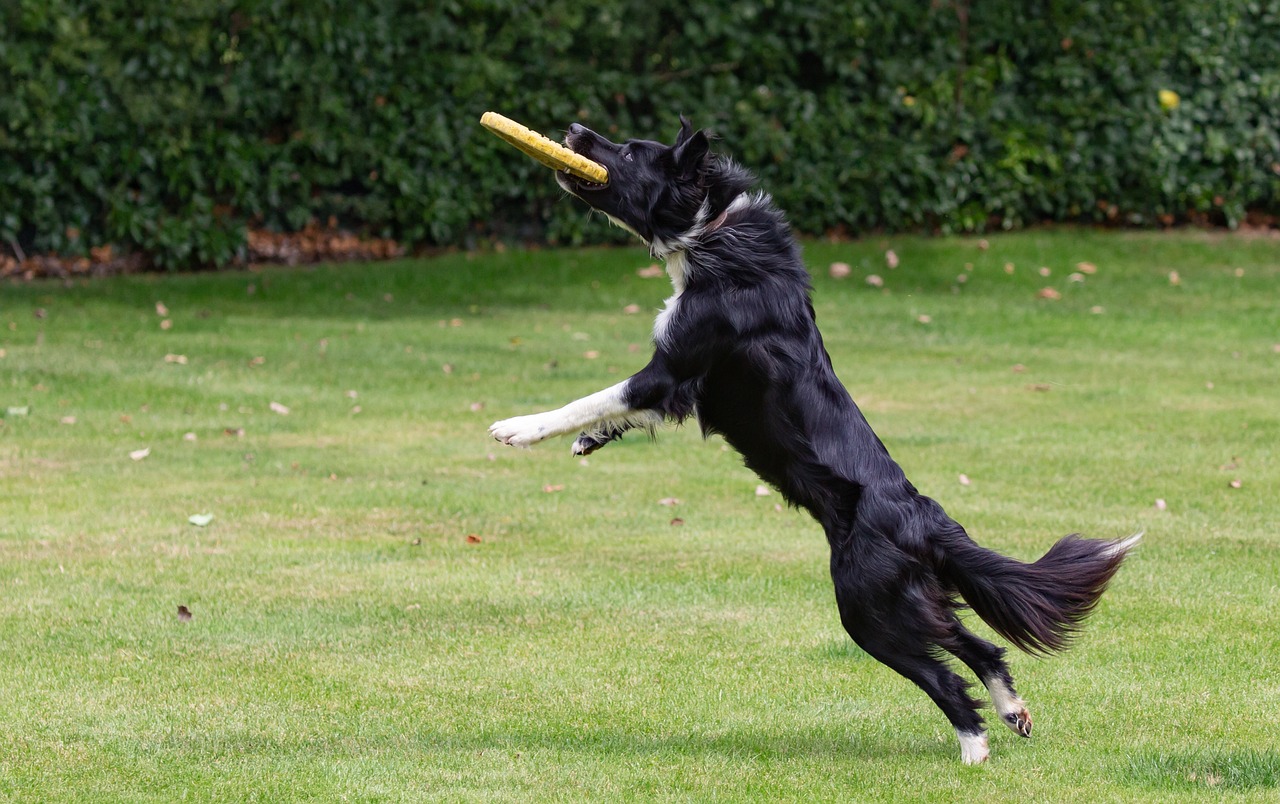
Dog frisbee, also known as disc dog, is an exciting sport that combines playfulness with physical activity. It appeals to dog owners who want to engage their pets in outdoor fun. Before you dive into competitions, mastering the basics is essential. Training your dog in frisbee requires understanding their instincts and energy levels. Start with a suitable frisbee designed specifically for dogs; regular ones could hurt their mouths. Choosing the right environment is crucial too. Look for a spacious area free of obstacles like trees and fences. During the initial stages, keep training sessions short and rewarding. Use positive reinforcement to encourage your dog. Gradually increase the distance of your throws as your dog becomes more confident in catching the frisbee. It’s also important to allow them to retrieve and bring it back without undue pressure. This lets your dog enjoy the game while building your bond. Establishing a routine will help them understand that frisbee training is something to look forward to. Always monitor your dog for fatigue and ensure they stay hydrated throughout each session, especially in warmer weather.
To successfully teach your dog frisbee skills, training techniques play a critical role. Begin with basic commands like ‘sit’ or ‘stay’ before introducing the frisbee. Teaching your dog to focus will improve their catching ability significantly. Incorporate fun games that stimulate their mental and physical capabilities. For example, toss the frisbee short distances at first and reward your dog each time they retrieve it successfully. This builds confidence and encourages enthusiasm. When your dog becomes proficient at catching close throws, you can then gradually extend the distances. Use a gentle throw to ensure the disc reaches them easily. As your dog becomes more accomplished, introduce various throwing styles, such as backhand and forehand. This keeps sessions engaging and challenges their skills. To add even more fun, consider inviting friends and their dogs for group practice. This will provide socialization opportunities for your pet while they enjoy affable competition. Always keep training light-hearted and fun; the goal is not only skill improvement but also enjoying precious moments with your dog. Consistent practice will lead to mastery over frisbee skills.
Understanding Your Dog’s Physical Limits
Understanding your dog’s physical limits is crucial for developing frisbee skills safely and effectively. Not all breeds have the same aptitude for agility or stamina. For instance, larger breeds may struggle with jumping or quick, agile movements compared to smaller dogs. Similarly, some breeds possess natural catching instincts, while others might take longer to train. Assess your dog’s individual traits and tailor your training approach accordingly. Pay close attention during sessions, as signs of fatigue include excessive panting or refusal to retrieve the frisbee. Gradually increase the intensity of your training sessions, allowing your dog ample rest and play breaks. Monitor their joints and muscles to avoid strains or injuries. Also, consider their age when establishing frisbee routines; younger dogs may be more adaptable yet can overexert themselves. In contrast, older dogs may require modifications to accommodate their fitness levels. Regular veterinary check-ups can help keep you informed about their physical condition, especially regarding any prior injuries. Additionally, incorporating proper warm-up and cool-down exercises will promote overall fitness and health throughout their frisbee careers, ensuring they remain active and agile.
Equipment can have a monumental impact on your dog frisbee training—I recommend investing in high-quality, dog-friendly frisbees. Typical plastic or metal discs can be hard on your dog’s teeth and jaws, leading to potential injury. Seeking products made from soft yet durable materials is crucial for your dog’s safety and enjoyment. Look for frisbees specifically designed for dogs; they tend to be lightweight and easy to grip. Many of these products also float, providing added versatility during water play. Regularly inspect the frisbee for wear and tear to prevent injury, replacing it when necessary. Take advantage of various types of frisbee designs and weights to gauge which ones your dog prefers. Additionally, having spare frisbees can be helpful in case one gets misplaced. Combining frisbee training with other active play allows your dog to build endurance while practicing their catching skills. Engage in sessions that incorporate agility courses or obstacle courses using frisbees as part of the challenges. This not only sharpens their reflexes but also keeps the training environment diverse and stimulating for your dog.
Building a Strong Bond with Your Dog
Building a strong bond with your dog contributes to successful frisbee training. The more trust and connection you develop, the better they will respond to your cues during training sessions. Spend quality time with your dog outside of frisbee training, participating in various activities such as hiking, walking, or simple playtime. These experiences help strengthen the bond and allow your dog to feel secure with you. Incorporate positive reinforcement during training by rewarding your dog with treats, praise, or even play with their favorite toys. This approach fosters a positive association with frisbee skills while reinforcing your role as their trusted leader. Additionally, practicing commands in a relaxed setting outside of frisbee sessions helps your dog understand your expectations. Keeping an open and relaxed demeanor during training sessions will encourage your dog to display enthusiasm and engagement. Remain patient and consistent, as it may take time for your dog to master frisbee-catching maneuvers. Celebrating small achievements together reinforces the strong friendship you are building, while fulfilling your dog’s natural instinct for play and exercise.
As your dog begins to master basic frisbee skills, consider entering them into local competitions for further motivation and excitement. Many cities host dog frisbee events and contests that may serve as ideal opportunities for your pup to showcase their skills. Participating in such activities also provides socialization opportunities. You can connect with fellow dog owners who share similar interests. Competition can create a thrilling atmosphere for both you and your pup. Make sure to familiarize yourself with the rules and regulations for events in your area, as they may vary. Practicing specific skills required for contests will enhance their performance when it matters most. It’s essential to keep your dog’s well-being in mind while preparing for competitions, ensuring they’re ready both physically and mentally. Always prioritize fun over performance, and don’t force your dog into competitive situations that might lead to stress. Winning ribbons or trophies is gratifying, but the real victory lies in the bond you foster through training and play. Continue enjoying frisbee sessions throughout your dog’s life, as this promotes a long-lasting love for the game.
Maintaining Consistency and Fun
Maintaining consistency in training when teaching dog frisbee skills is key to your success as a duo. Regular practice will help reinforce the techniques your dog is learning, which strengthens their ability to excel at the sport. Strive to incorporate frisbee training into your dog’s routine at least a few times weekly. Vary your training locations to keep things exciting and stimulate their natural curiosity. Adding structure to your sessions can encourage focus, so consider introducing a warm-up and cool-down routine. Remember, keeping the atmosphere light and enjoyable is vital for both you and your dog. Celebrate the little victories—whether it’s completing a successful catch or simply improving distance. Use playful encouragement and voice inflection for added engagement. In case of setbacks, remain calm and patient; this sustains motivation within your dog. Consulting with other experienced dog frisbee enthusiasts or trainers brings new perspectives and ideas, promoting your growth. Opting for agility training or exercises that improve your dog’s physical capability will enhance proficiency. Ultimately, creating a joyful environment will fortify the bond you share and inspire a lasting passion for frisbee.
In conclusion, successfully mastering the basics of dog frisbee requires patience, understanding, and consistency. Starting with a strong foundation enables your dog to develop their catching skills and enjoy the game fully. By investing time in training techniques suited to your dog’s unique personality and physical abilities, you promote positive experiences while avoiding potential injuries. Remember to prioritize their well-being by monitoring their limits and providing appropriate breaks during play. The right equipment also plays a significant role in your training journey, ensuring your dog’s safety while having fun. As you both grow in your frisbee journey, encourage strong bonds through shared experiences. If you decide to participate in competitions, focus on the joy and connection that frisbee brings rather than expectations of winning. Keep training enjoyable, incorporating varied activities to maintain your dog’s excitement. With time, patience, and steadfast dedication, you and your dog can become proficient frisbee partners and create larger experiences filled with delightful moments together.